

Perimenopause is a transition. What we do for our health during this transition has the potential to prevent health issues for decades.
That’s why I invited Dr. Mariza Snyder to the show. She’s here to share with us about her newest best-selling book called “The Perimenopause Revolution.” Who better to be teaching women about how to not only survive perimenopause but how to thrive through perimenopause and menopause.
That’s exactly what our conversation is all about. When we have the knowledge and we feel confident navigating the menopause transition, we are future proofing our health.
Understanding the Perimenopause Transition
Dr. Mariza points out that she doesn’t want to just survive a 10-year transition. She wants to do it with grace, joy, and gratitude. And when we have the tools and the right support, we can do that. Menopause and perimenopause has been in the media much more lately, but it’s still worth talking about what this is and how women know they’re in it.
Perimenopause is the transition leading into menopause, and menopause is really defined as that one day in time where you stop cycling for 12 consecutive months in a row. There is a lead up to that moment. Natural menopause can happen between 45 and 55 years old, so the transition can be anywhere between 4 and 10 plus years. For some women, they can start perimenopause as early as their mid to late 30s.
Unfortunately, because many doctors think that’s too early, women are often dismissed and gaslit. We’re told it’s just stress, they’re just moms, or it’s just aging. Those things could be true, and your hormones could also be erratically declining. It’s that erratic decline that punctuates perimenopause because when whole body hormones are not binding to receptor sites, it drives over 40 different symptoms, a majority of which are brain and mood related.
It’s disconcerting when changes are happening in your body and you feel like you don’t have control. Women feel like they don’t even know their body anymore. It becomes unpredictable and can spiral into other symptoms.
Perimenopause leads to that day of official menopause when you cross into post menopause, and post menopause is the rest of our lives. On average, women are in their early 50s when they go into menopause, somewhere between 50 and 52 years old.
At that point, we are entering the second half of our lives. The intention isn’t to live the longest amount of time; it is to live the most quality amount of time on our terms. What we do for our health during this transition has the potential to prevent health issues during the next decades of our lives.
The Full Body Impact of Perimenopause
Perimenopause is a neuroendocrine transition. A full body remodel. You can’t go from rhythmic hormones that the body has expected for decades to erratic hormone binding and not experience a massive remodel. The body has to readjust and reconfigure. Depending on what we do and how we take care of ourselves in this transition, it sets the tone for whether we continue to have symptoms throughout menopause.
We’re talking about disruptive symptoms like low mental energy, brain fog, sleep issues, mood swings, rage, weight resistance, UTIs, vaginal dryness, and low libido. These can disrupt quality of life. But it’s the silent shifts that are most concerning: blood pressure creeping up, muscle loss, bone loss up to 20%, insulin resistance, vascular inflammation, and brain inflammation.
These are things we don’t feel until 15 or 20 years down the road when we see biomarkers changing or scans showing osteoporosis or hypertension. It’s in this transition that those things begin. We don’t have our same resilience. These hormones are our protective shield, and as they decline, that shield falters. Whatever we were holding down starts to present itself. And they don’t stop when you go into menopause; they continue into the future.
A Supportive Approach to Perimenopause
In years past, perimenopausal symptoms were dismissed. Women were gaslit or blamed. That is all changing now. It is a trend to talk about menopause in a supportive, unconditional way and to help women through this transition. There’s nothing more destabilizing than being in this transition.
There’s a big distinction between blaming ourselves and ownership. Blaming ourselves won’t help us feel vital and energized. But taking ownership in the conversation with our doctor, in daily habits we can stack to support our bodies, in our mindset about how we want to feel, that’s what matters. We get to rewrite the story of midlife, starting with knowledge and mindset. You don’t have to take the blame with you. You can get another doctor if you don’t love the care you’re getting.
There’s so much we can do once we decide we deserve to thrive in the second half of our lives. Not every day is amazing. There are days where perimenopause is tough, and other days where you’ve got it. You’ll have those days even when doing all the things, even with all the support, supplements, and HRT (hormone replacement therapy).
Yet there are days where it’s not your favorite. Still get up and do the things that help you feel energized, giving yourself extra grace. Your body is changing outside of your comfort zone. No woman asked for these changes. The only way is through, with that extra grace that extends to every woman going through this transition.
Recognizing the Signs and Symptoms
Dr. Mariza describes perimenopause as being in the waiting room, the perpetual waiting room. We don’t get a date for the beginning or end of this journey. Perimenopause doesn’t announce itself. It’s not a lab test. Perimenopause is like second puberty.
With first puberty, you get a period that announces itself. It takes several years to get into reproductive years. Puberty is a four to six year transition, and second puberty is similar except in reverse. It’s a higher stakes game because now there are kids, career, and obligations. Every woman is the CEO of her life, household, family, and work. There’s a lot more at stake. It deserves its own moment and importance. We have to honor the process, and when we do, it’s easier to get through.
Menopause is unique to each person, and each woman describes it differently. We hear about hot flashes and night sweats, but there are many other symptoms women might not realize. Often there is something showing up that women don’t realize is menopause related.
After 17 years in clinical practice, Dr. Mariza has found that the thing that ratchets up perimenopause the most is stress. That’s what makes perimenopause worse. It’s easy to see the impact of stress because women have always been stressed and are always taking on too much. Women today are in the sandwich generation, taking care of older family members and children. There’s so much to manage. Even without perimenopause, it’s a lot to contend with. Then add on deregulated hormones.
The most common symptoms are brain and emotionally related because perimenopause is a neuroendocrine transition. Hot flashes, night sweats, sleep issues, migraines, and headaches are brain related. Low stress tolerance is a major complaint. The ability to handle and cope with stressors, that resilience, just disappears. Cognitive changes come up: memory issues, alertness, low mental energy. The brain is not working. The ability to handle high level functioning becomes difficult.
Women are used to having 100 tabs open, multitasking everything. For many, it’s effortless. Then in peri (perimenopause), what used to be effortless requires so much effort. That lack of executive functioning feels like early cognitive decline. The lack of word recall, the brain fog. Then there’s rage, mood swings, irritability. Some days all of this hits at once. Physical changes include phantom smells, frozen shoulder, joint pain, inflammation, weight resistance, insulin resistance, muscle loss, and not recovering from workouts. All of this is perimenopause.
The Whole Body Experience is Unique for Each Woman
Dr. Doni shares that menopausal symptoms are unique to each woman. Some women describe as feeling like a toxin is going through their system. It can be a feeling you can’t name. This isn’t just about the lack of a period or irregular periods. It’s not just the vaginal and uterine area affected. This is an entire body under massive transition and remodeling.
Women’s brains are massively remodeling during this time. Energy metabolism is changing. The way we build neuroplasticity is changing. Brain inflammation is shifting. These hormones bind to neurotransmitters like GABA, serotonin, and dopamine. No wonder we feel less motivated, less joyful, less confident. It’s very individual. Some women experience mostly physical symptoms. For most, there’s a mental aspect. The biggest through line is: I just don’t feel like myself anymore. I want to get back to feeling like myself and my body feeling like my body.
Menstrual changes can be all over the place. Periods more or less often, or spotting. It’s better to know right away if you’re noticing changes. A bladder infection out of nowhere gives a flag that perimenopause might be happening. We become more susceptible to bladder infections, vaginal infections, even high risk HPV and abnormal pap smears. Any of these things popping up could be your sign to start paying attention.
Practical Solutions in “The Perimenopause Revolution”
Dr. Mariza’s book “The Perimenopause Revolution” has all kinds of support. The intention is that it’s practical, doable, and not overwhelming. The recommendations are science backed, easy to integrate, and will move the needle. The recommendations provide wins because that’s what we need in this time of life. We need mental health wins, movement wins, and energy wins. We need to feel like ourselves again.
The book was built from what thousands of women needed to feel like themselves again. If we break down the book into sections: number one, figuring out if you’re in perimenopause with a quiz. It’s a clinical diagnosis based on symptoms, menstrual cycle changes, and labs.
If you’re 42 and your period is skipping or you’re having less days and crazy cyclical symptoms, that’s perimenopause. Number two is understanding the metabolic shifts because one in three women will die of a mostly preventable heart attack or stroke. If we can stay in front of that, that’s the name of the game.
Next are the pillars: HRT, community, mental health, mastering stress, balancing blood sugar, building metabolically healthy meals, circadian rhythm, sleep optimization, and movement. Then there’s a five week plan with mindset so you’re clear on what you want stepping into the second half of your life.
Plus bonuses including workout videos, exercise snacks, over 70 recipes, a comprehensive lab guide, symptom tracker, menstrual cycle tracker, self-care rituals, and morning and evening rituals. Everything you need to get started and take that first step to feeling more alive in your body.
The book is thorough but doable and actionable. You understand what’s happening in your body, how these hormones affect your bone, muscle, tendons, skin, and hair. Estrogen and progesterone are whole body protector hormones. As they decline, as long as we know what’s happening, we can be prepared. Women deserve to know what’s happening and what to do about it, how to do it, and where to start.
The Importance of Comprehensive Testing and Supporting the Nervous System
Dr. Doni shares that she finds it makes a huge difference to test cortisol levels. When women start going through perimenopause, if we haven’t tested cortisol recently, we need to test cortisol, neurotransmitters, and adrenaline. Let’s support them because women feel so much better through post menopause when they have optimal cortisol, adrenaline, and neurotransmitters.
We have to pay attention to these other messengers because they’re in conversation with our hormones. If we help with stress, do self-care, and take steps to optimize these biochemical messengers, that will minimize symptoms due to hormone shifts and reduce neurological decline.
Up to 70% of dementia and Alzheimer’s patients are women. That critical window when things shift is when hormones shift. Estrogen and progesterone are neural hormones. Estrogen is the master regulator of the brain. With estrogen disappearing, the brain shifts, neurotransmitters decline, cortisol deregulates.
It’s all interconnected. This is a higher stakes game. We’re losing mental resilience. We’re seeing massive shifts in the brain that can go one way or the other if we don’t stay on top of this. The amount of brain related changes can be profound. We should focus on the brain.
A Comprehensive Approach: Hormone Replacement Therapy AND Lifestyle Medicine
Women can start preventing health issues that would otherwise start in their seventies, eighties or nineties, by taking action during perimenopause. Women deserve all the tools in the toolbox, whether lifestyle medicine, bioidentical hormone replacement therapy, supplements, or all of it.
There’s supplementation for cortisol support and HPA axis support plus all the lifestyle medicine. Lifestyle medicine can really move the needle, sometimes more than any other way. We can support blood sugar regulation and reduce inflammation. We can ask: is this going to fuel my future brain, is the sleep I get tonight going to help my brain work better tomorrow? And of course, sleep will make or break you.
We probably need a combination of all HRT, supplementation, and lifestyle medicine to set the tone for a stronger, more resilient time in our 50s, 60s, 70s, and beyond. Sometimes we get excited about HRT and think that’s the only thing needed. But we need to pay attention to diet, supplements, sleep, and everything else while considering hormone replacement therapy.
It’s important to know that hormone replacement therapy has been shown to help prevent dementia risk and osteoporosis risk. All vaginas need estrogen too, that is the magic bullet. But many women go on HRT hoping it will fix everything when there is more to the story.
Hormones are messengers binding to receptor sites. There’s a lot involved in those processes. If you’re chronically stressed and trying to add estrogen on top, the estrogen will only take you so far. If you’re in a stress spiral, triggering trauma responses, it’s important to have all those areas in addressed so HRT can work better. HRT can help with sleep, but optimal sleep will support HRT to work better too.
If something could be bottled for longevity, it would be community because that’s the biggest predictor of longevity, and movement. Resistance training, steps after meals, walking, movement. Those are the two things: built in community and built in movement every single day. It’s so important that we take care of ourselves.
As women, we’re not taught to take care of ourselves. We’re taught to take care of everybody else. This is the opportunity to ask how do I take care of myself by getting enough sleep, movement, and nutrition so your body is taken care of. Then hormone replacement therapy will be much more effective.
The Shift in HRT Research
Many women are still afraid of hormone replacement therapy (HRT) because of research from over 23 years ago saying estrogen was correlated with cancer risk. New research shows that is not the case. Estrogen is not causing cancer. This is part of the recent wave in how women are getting helped with menopause and hormone replacement therapy. It is opening up the possibility of using HRT safely and effectively.
One of the biggest setbacks for women’s longevity was the preliminary incorrect results of the Women’s Health Initiative. Before that, HRT was mostly synthetic Premarin and Prempro, which was prescribed to over 44% of women in midlife. The study halted in 2002 for the estrogen arm, 2004 for the estrogen and progestin arm. It was never the estrogen arm that was the issue, it was the progestin arm. Progestin is a synthetic progesterone that doesn’t support the brain. It was one extra case, five instead of four in 1000 women getting breast cancer. That looks like a 25% increase in relative risk but was 0.01 in absolute terms.
After 23 years, we learned that estrogen, even synthetic estrogen, decreased osteoporotic fractures 23% and a 20% increase in overall protection from all cause mortality. There were many benefits. These are lessons we learned.
Currently, many providers still don’t know how to prescribe HRT. That’s a major problem. And there’s still a lot of fear around HRT. Currently, only 4% to 6% of women in menopause are on HRT, and that number is climbing slowly. Less than 3% in perimenopause.
Why would we wait till hormones are bottoming out or symptoms are severe to put women on HRT? When should you start the conversation? When your symptoms are disruptive enough that they’re affecting your quality of life and ability to function.
For many women, that’s oral micronized progesterone first. The stack is usually oral micronized progesterone, then estrogen, then testosterone. But every woman is individual. Some women have estrogen fall faster than expected, probably because of stress and endocrine disruptors. There’s nothing about modern life conducive to optimized hormones. We see hormones dropping sooner, earlier, and it’s not just progesterone.
It’s worth finding a hormone literate provider. Go to your nearest compounding pharmacist, find out who’s prescribing HRT, get that list, and start making calls.
Oral micronized progesterone, the bioidentical form, not synthetic is what we use now in perimenopause. Then when needed, we add bioidentical or natural estrogen like estradiol, not synthetic. Research shows it’s effective and not harmful.
The Critical Importance of Vaginal Estrogen
Vaginal estrogen is crucial. Often people find a practitioner recommending oral progesterone and an estrogen patch or cream, but they’re not talking about vaginal estrogen. Women need to know that when we talk about systemic hormones, we’re referring to estrogen, progesterone, and other hormones circulating around your whole body to help bones, brain, skin, everywhere. But we also need to support vaginal estrogen because only a small percentage of circulating estrogen makes it to your vagina.
If women use vaginal estrogen, you don’t need it every day; the common dosage is twice a week. Maintaining vaginal estrogen levels helps to prevent not only vaginal dryness but all infections including UTIs. What many don’t realize is that UTIs alone, when women are in their 60s, 70s, or 80s, are the reason women end up in assisted living. Major issues could have been avoided by using vaginal estrogen.
Dr. Doni points out that even if you’re in your 70s, 80s, 90s, you need vaginal estrogen at least twice a week to prevent bladder infections. Women could be more independent, not on recurrent antibiotics or having systemic infections, simply by using vaginal estrogen. You can get it from a doctor. Pharmaceutical company make vaginal estrogen products, or you can get it from a compounding pharmacy, or through a practitioner. You can access and use it safely.
Having low vaginal estrogen can also lead to vaginal atrophy, clitoral atrophy, less robust orgasms, and low libido. At least 93 to 95% of us will have vaginal atrophy and changes from little to no estrogen in vaginal tissues. There’s no reason we shouldn’t be given estrogen. If you’re on systemic estrogen and still having symptoms, it’s not good enough. Find a provider willing to give vaginal estrogen because most women at some point, even on systemic estradiol, will need vaginal estrogen too.
Conclusion and Next Steps
This is a perimenopause revolution – a movement because women deserve and are demanding better. We get to rewrite this journey on our terms. We can band together and ensure women get the quality care and support they deserve. And we’re putting power in women’s hands individually.
If you’re having a hard time finding a doctor or getting resources and solutions, you can get a copy of Dr. Mariza’s book “The Perimenopause Revolution” so you have a starting place. It is the ultimate resource for women ready to take charge of their health and embrace perimenopause with resilience and confidence. It includes a 5-week reset program. What matters most is having the knowledge to advocate for yourself and take that step forward, whether or not you have a doctor on your team just yet.
This revolution for women’s health is so needed. Even though research is still catching up, we’re at the cusp of what the research is giving us, so we need to stay on it. Women shouldn’t wait for more research. We need to take the research we have and the clinical experience we have and start helping women more. Because every decade that goes by, women are rolling into post menopause and maybe missed that opportunity. Don’t let this opportunity be missed. Get going on taking care of yourself through peri and post menopause.
If you want to learn more about Dr. Mariza you can find her on Instagram @drmariza and Facebook @drmarizasnyder. You can also get a copy of her book “The Perimenopause Revolution: Reclaim Your Hormones, Metabolism & Energy” here.
Getting Help During Perimenopause (and/or Menopause)
As a women’s health expert, I’ve been helping women to address menopausal health concerns for over 25 years. I help with hormone replacement therapy, including vaginal estrogen, as well as preventing osteoporosis, optimizing weight, gut health, and preventing heart disease and dementia.
If you would like help during perimenopause and/or menopause, look no further! I’m here to help you individual your supplement protocol and HRT based on your test results and unique risk factors. I’m confident that you’ll be back to feeling yourself in no time. You can reach out to my office at office@doctordoni.com and we can set up a time to meet, or click this link to schedule through my website.
Based on my research and experience, a key aspect of any successful menopause plan is to find out how stress has affected your cortisol and neurotransmitter levels, and to re-optimize them. It’s when we can heal from the effects of stress and trauma that physical symptoms and health issues disappear.
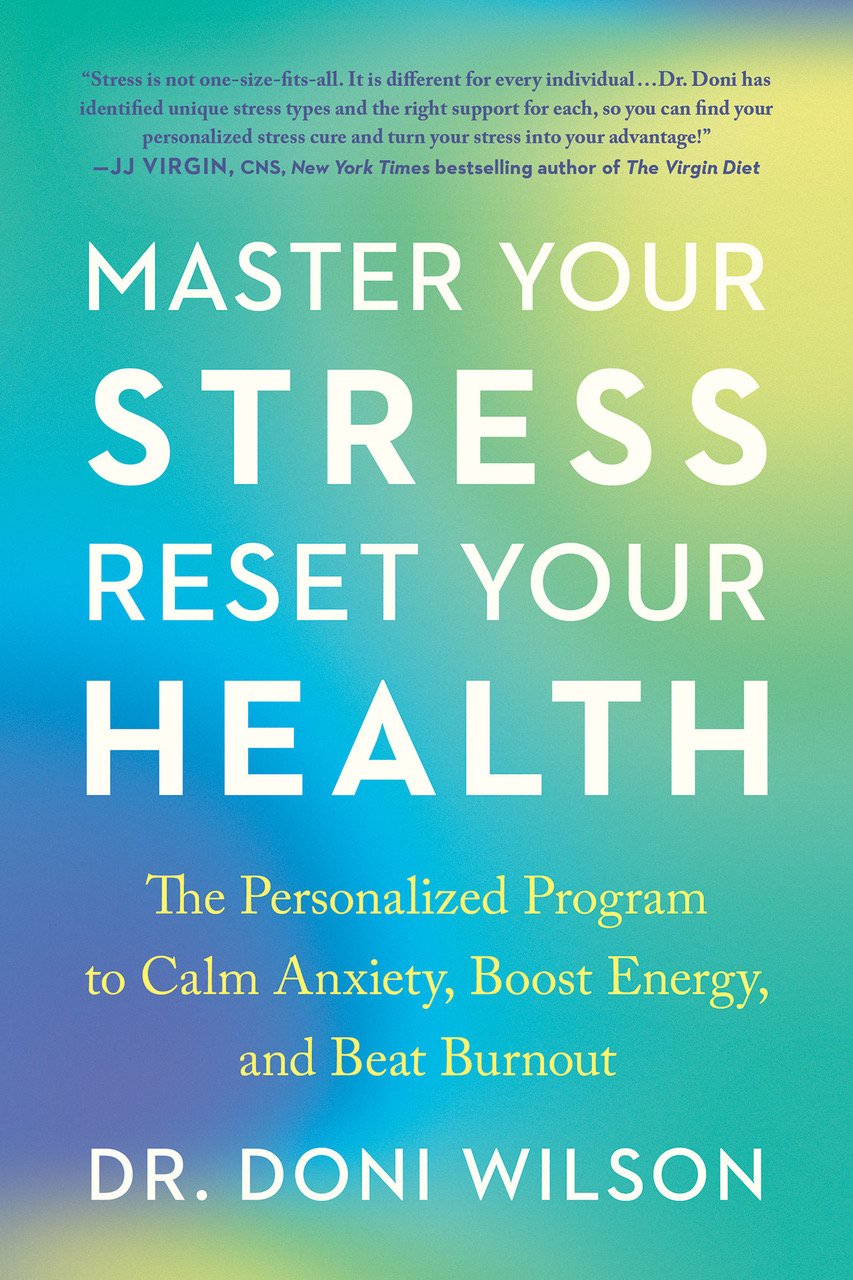
I talk about this in detail in my book – Master Your Stress Reset Your Health. I help you to identify how stress and trauma have impacted your nervous system and stress hormones, and then how to eliminate the impact of stress so that you can heal.
Please know that if you’re struggling and hoping there’s another option for healing, there is! I’m happy to help you create a plan to transform your health and your future.
Thanks again for joining me in this conversation with Dr. Mariza here at How Humans Heal. If you haven’t already, I welcome you to subscribe to my newsletter, podcast and join me for the next episode.

Social:
- Facebook: https://facebook.com/drdoniwilson
- Instagram: https://instagram.com/drdoniwilson
- Threads: https://threads.net/@drdoniwilson
- YouTube: https://youtube.com/DoniWilsonND
Subscribe:
- Weekly Wellness Wisdom (Newsletter): https://doctordoni.com/www
- How Humans Heal (Podcast): https://doctordoni.com/podcast
More Resources from Dr. Doni:
- Stress Type Quiz: Assess your Adrenal Function
https://doctordoni.com/quiz - Dr. Doni’s Book: Master Your Stress, Reset Your Health
https://doctordoni.com/book - Dr. Doni’s Facebook Group: Stress Warrior Stress Resiliency
https://facebook.com/groups/stresswarrior - HPV Recovery Guide (FREE)
https://doctordoni.com/ddpp/hpv-guide/ - FREE Masterclasses with Dr. Doni
https://doctordoni.com/masterclasses - FREE Guides from Dr. Doni
https://doctordoni.com/guides
Personalized Solutions:
- 14-Day Detox Program: You can start this transformation program anytime
https://doctordoni.com/detox-program - Say Goodbye to HPV (12-week Program): Begin the journey to freedom from HPV today!
https://doctordoni.com/say-goodbye-to-hpv - If you’d like to meet with Dr. Doni one-on-one for your health, request a Health Breakthrough Session: https://doctordoni.com/breakthrough
Disclaimer: This specific article and all other Content, Products, and Services of this Website are NOT intended as, and must not be understood or construed as, medical care or advice, naturopathic medical care or advice, the practice of medicine, or the practice of counseling care, nor can it be understood or construed as providing any form of medical diagnosis, treatment, natural HPV cure, or prevention of any disease.

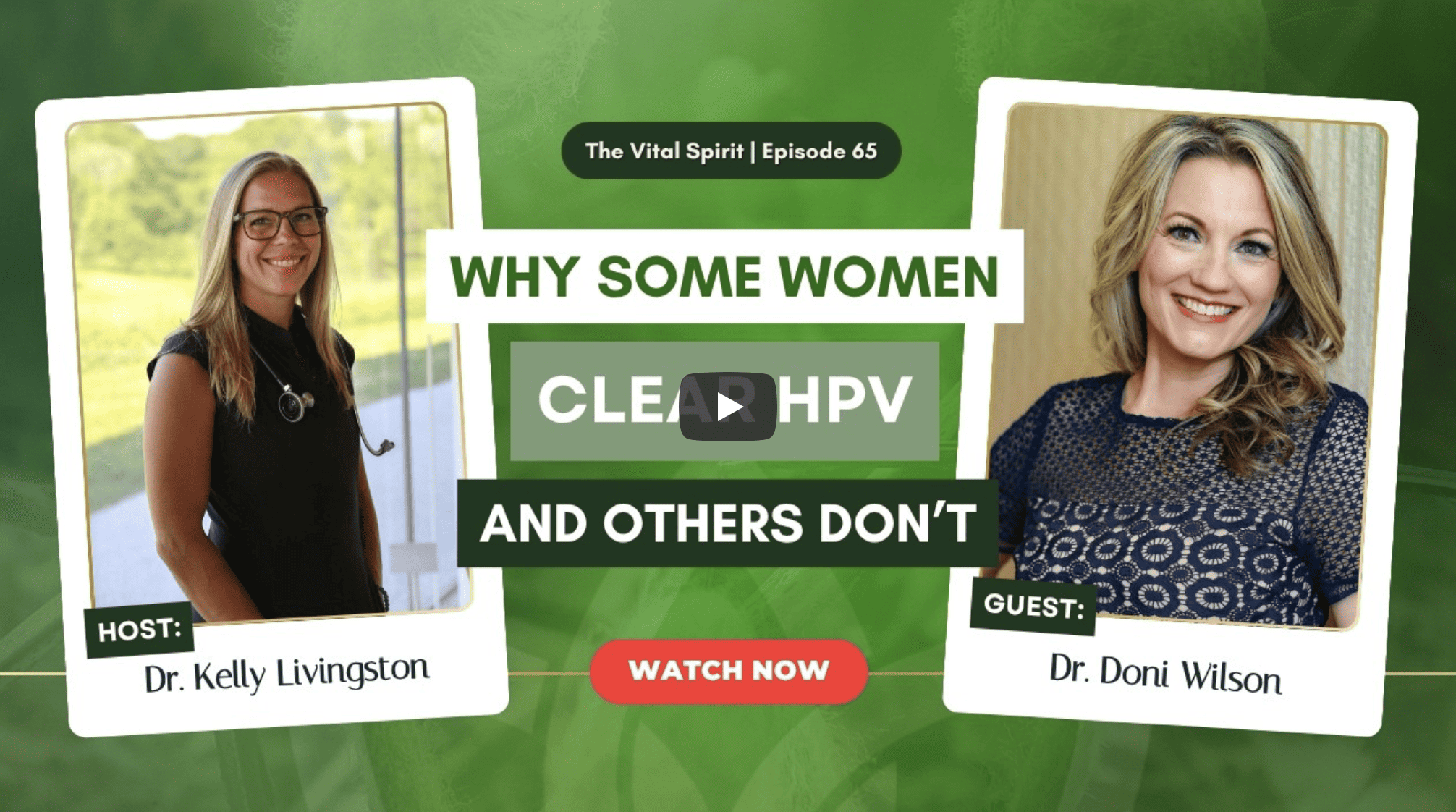
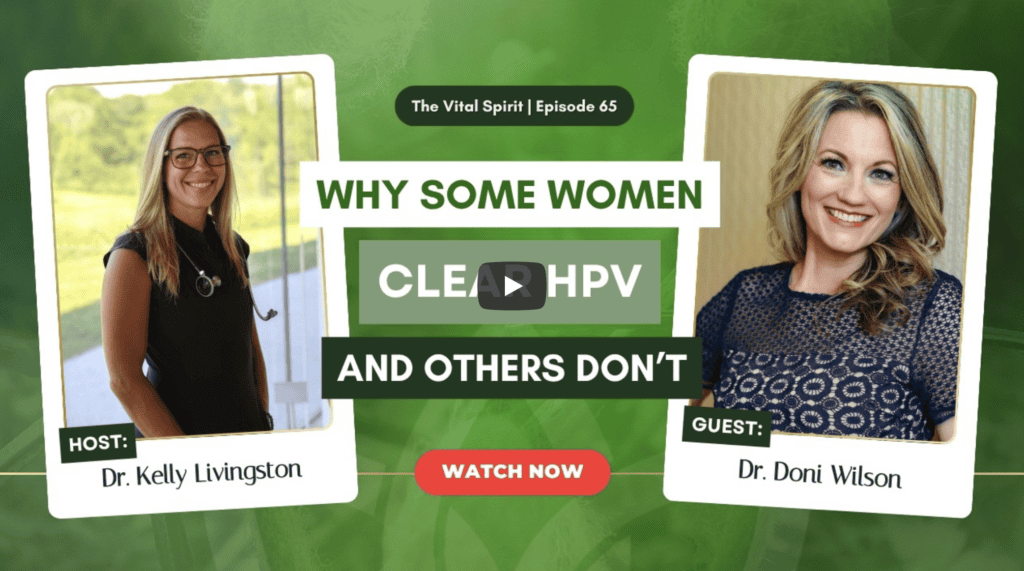
The Truth About HPV: Why Some Women Clear It and Others Don’t – Dr. Doni on The Vital Spirit Podcast
Dr. Doni was interviewed by Dr. Kelly Livingston on The Vital Spirit Podcast to talk about how we can clear HPV by addressing the root causes that made us susceptible to the virus in the first place.
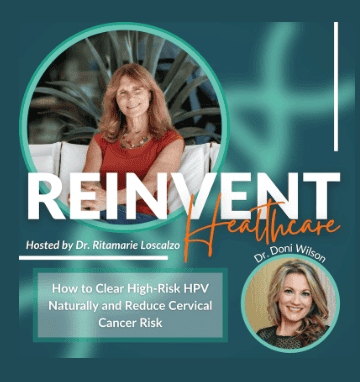
How to Clear High-Risk HPV Naturally and Reduce Cervical Cancer Risk – Dr. Doni on the Reinvent Healthcare Podcast
Dr. Doni was interviewed by Dr. Ritamarie Loscalzo on the Reinvent Healthcare Podcast to talk about what actually drives HPV persistence, why most women are told “there’s nothing you can do,” and how a terrain-based approach helps the body clear high-risk HPV and stay negative long term.
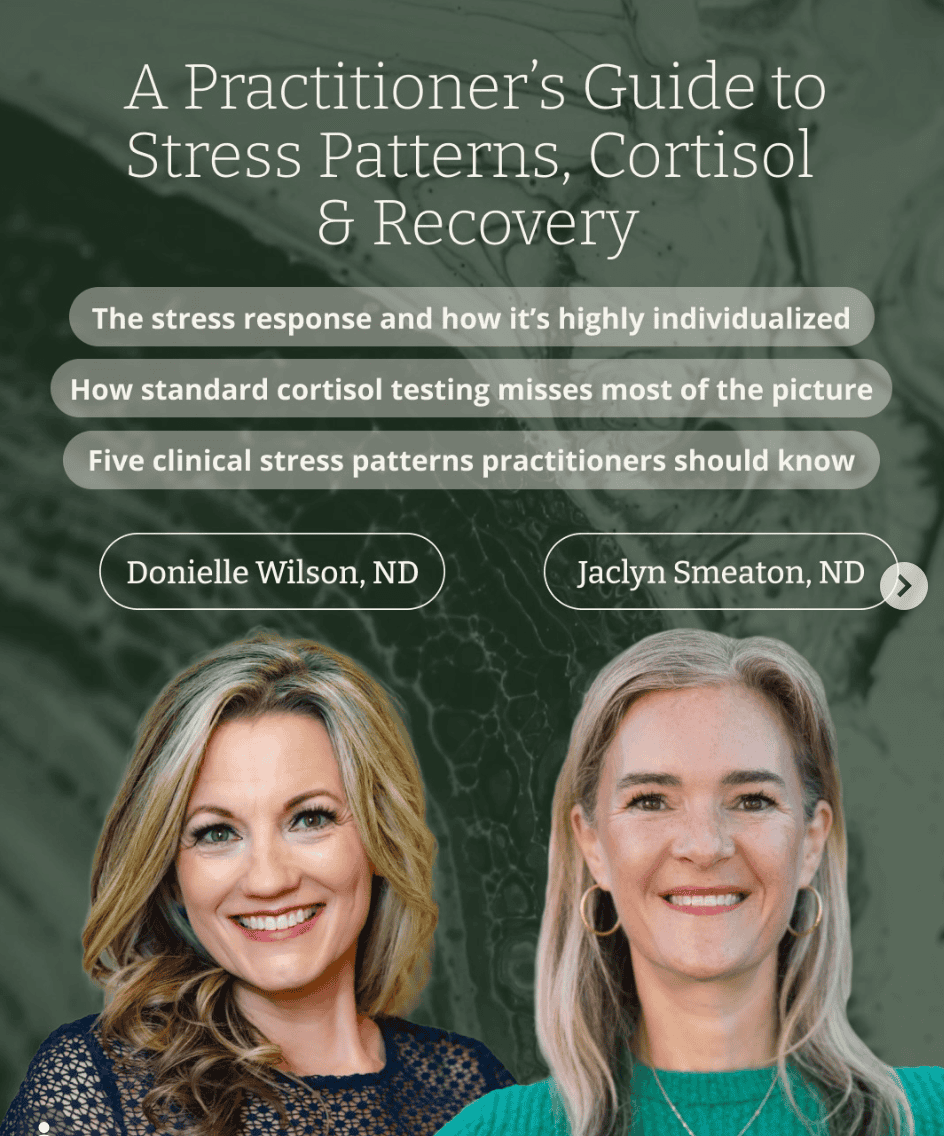
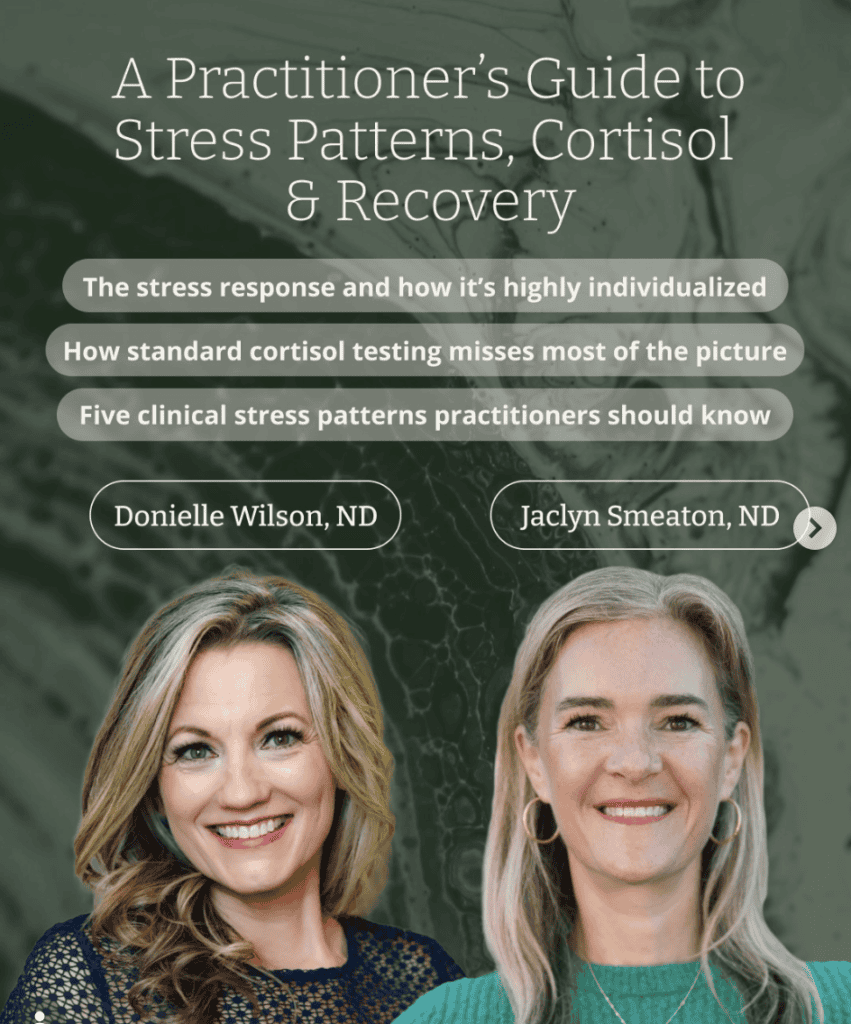
A Practitioner’s Guide to Stress Patterns, Cortisol & Recovery – Dr. Doni on The DUTCH Podcast
Dr. Doni was interviewed by Dr. Jaclyn Smeaton on The DUTCH Podcast to discuss Dr. Doni’s clinical philosophy, research findings, and personal journey around understanding and treating stress.
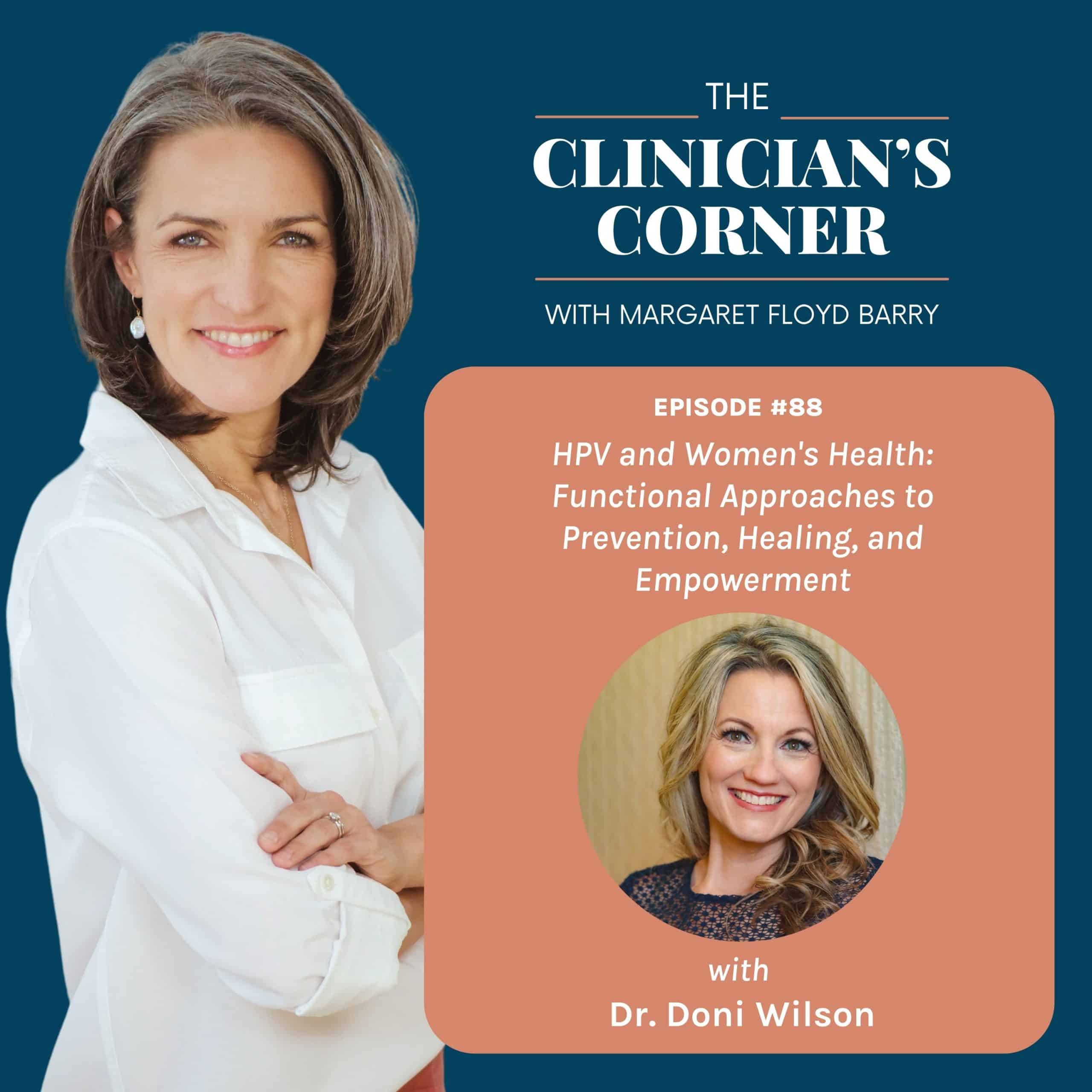
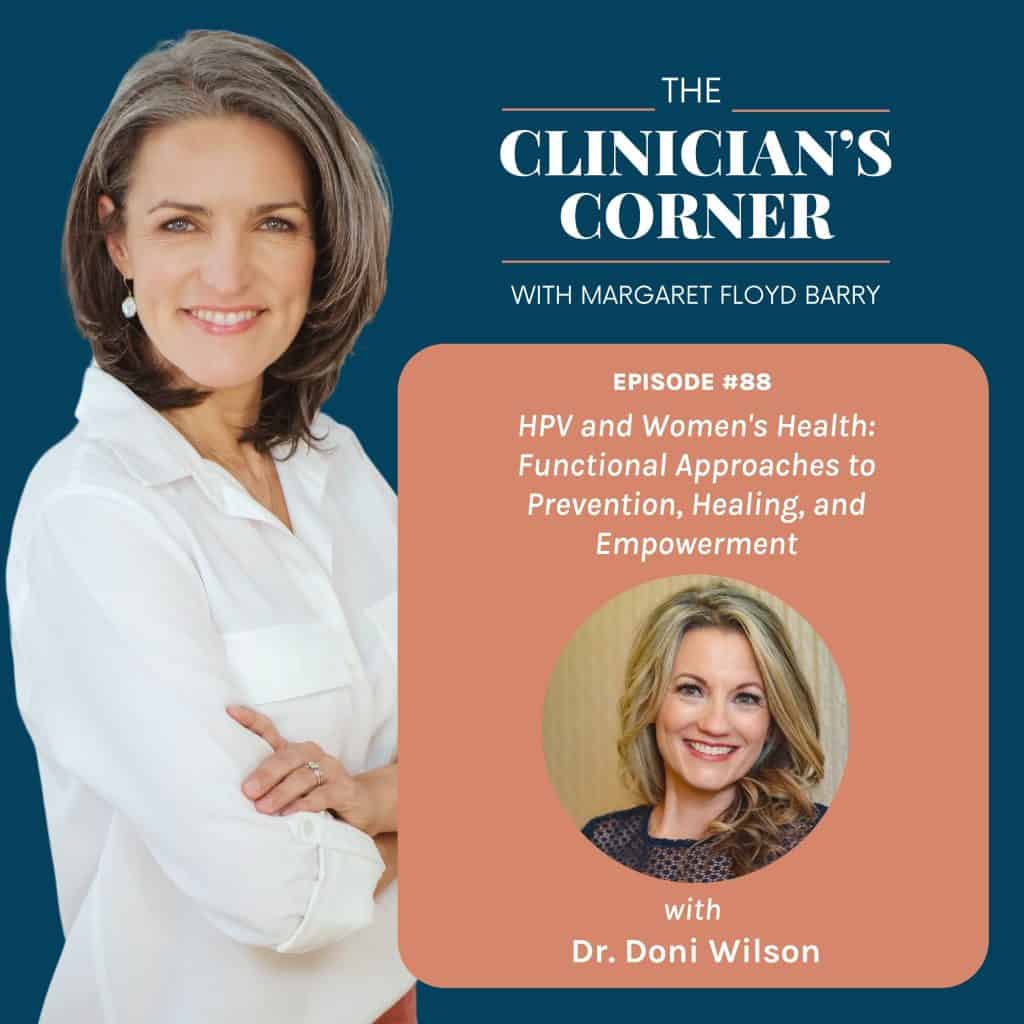
HPV and Women’s Health: Functional Approaches to Prevention, Healing, and Empowerment – Dr. Doni on “The Clinician’s Corner” Podcast
Dr. Doni was interviewed by Clinician Margaret Floyd Barry on “The Clinician’s Corner” Podcast to talk about how HPV isn’t just a women’s health issue, how stress and trauma can play a pivotal role in immune resilience, and the actionable strategies clinicians can implement to help their clients clear HPV naturally.