


Welcome to How Humans Heal. In this episode, I’m joined by Dr. Beverly Yates, a fellow naturopathic doctor and MIT-trained engineer, internationally recognized speaker, and author of the book “The Yates Protocol: 5 Simple Steps to Fix Your Blood Sugar and Reverse Type 2 Diabetes.”
Optimizing blood sugar levels is a topic I discuss with my patients every single day, and I’m so glad Dr. Beverly is here to share her knowledge with all of you.
Why Blood Sugar Matters Before Diabetes
As naturopathic doctors, our focus is not on finding another medication to manage symptoms. We want to understand what’s happening beneath the surface so we can actually reverse the problem. And with blood sugar, we need to be paying attention long before it becomes diabetes.
Even mildly elevated blood sugar increases the risk of heart disease, dementia, Alzheimer’s, and cancer. Right now, a third of teenagers in the U.S. are pre-diabetic, and more than half of people with prediabetes are undiagnosed. This isn’t sustainable, and it’s on each of us to become aware and choose differently.
The warning signs to watch for include brain fog, afternoon energy crashes or food comas, internal jitteriness or anxiety that isn’t explained by a mood disorder, cravings for sweet or salty high-carb foods — especially after poor sleep — and an appetite that feels out of control.
Blood Work: What to Test
If any of those signs sound familiar, get your blood work done. Ask your practitioner specifically for a hemoglobin A1c and fasting glucose — because the A1C is often left out, even in people with heart disease, which is remarkable.
The hemoglobin A1c gives you a 90-day average of blood sugar levels, since red blood cells turn over completely every three months. An “A1c” of 5.6 or lower is optimal. Prediabetes falls between 5.7 and 6.4, and type 2 diabetes is diagnosed at 6.5 and above.
Another great way to get a closer look at your blood sugar levels is to use a continuous glucose monitor (CGM). This is a non-invasive device you put on your arm for 14 days at a time and it tracks your blood sugar levels 24 hours a day. It creates a real-time report in an app so you can figure out what is causing your blood sugar level to increase. Insurance often covers the cost of a CGM if you have a diagnosis of diabetes. You can order a CGM out-of-pocket through several companies, including Theia.
Also request a fasting insulin level. I love to see it in single digits — 9 or below. Above 18 to 20 is a clear sign that insulin resistance is setting in. Additionally, look at your triglycerides, HDL cholesterol, and blood pressure. If two or three of these markers are out of range together, that cluster is called metabolic syndrome, and it points to underlying inflammation as the common driver.
Inflammation — not cholesterol — is what causes the damage in heart disease. In fact, more than 50% of people who arrive in emergency rooms with heart attacks don’t have abnormally high cholesterol. The marker that matters is high-sensitivity C-reactive protein, or HS-CRP. That, combined with high blood sugar, puts you at serious risk. Make sure you’re testing the right things.
The Role of Stress and Cortisol
Stress is completely underappreciated for its role in blood sugar dysregulation.
When cortisol — your primary stress hormone — goes up, it triggers a release of blood sugar. It doesn’t even matter what you ate. Dr. Beverly had a patient in Manhattan who had a weekly meeting every Tuesday afternoon, and no matter what she had for lunch, her blood sugar spiked. She was wearing a continuous glucose monitor, which gave her the objective data she needed to recognize the pattern and eventually change her situation.
The key insight is that stress is personal. What sends one person’s cortisol through the roof could be completely fine for another person. A personalized approach matters here — not a one-size-fits-all program.
The Five Steps of the Yates Protocol
Step 1: Nutrition
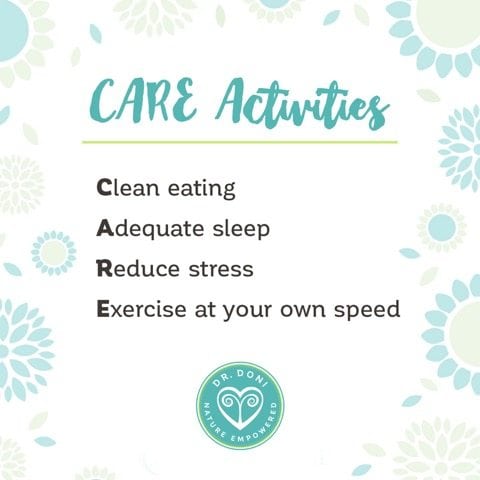
Clean eating is so important and so is the order in which you eat. Start with protein and leafy green vegetables, healthy fats like nuts, seeds, and olive oil, and complex carbohydrates with resistant starch, such as beans, legumes, and chickpeas.
Complex carbs slow the rise of blood sugar, feed the good bacteria in your gut, and help you feel full. Simple carbohydrates and sugary foods go dead last, if at all. Starting a meal with sugary or starchy foods puts you immediately on the blood sugar rollercoaster.
Step 2: Meal timing
The time of day you eat matters enormously. Dr. Beverly worked with a woman who owned an Italian restaurant and was eating heavy meals at 11:30 at night and going to bed half an hour later. She had high blood pressure, high blood sugar, inflammatory cholesterol, sleep apnea, and severe heartburn.
Rather than overwhelming her with changes, she started by recommending with one change: eat at 6 pm. Her heartburn resolved and her sleep improved. It is important to work with a practitioner who meets you where you are to help you get where you want to go.
Step 3: Stress
Chronic stress, or even one severe episode, can trigger type 2 diabetes. Shame, blame, and judgment have no place in healing. What we need are calming resets — throughout the day, the week, the month. Without recovery time, stress hormones remain elevated and blood sugar stays dysregulated.
Step 4: Sleep
During healthy sleep, blood sugar resets to normal levels. Fasting glucose in the morning should ideally be between 70 and 99. For some people, blood sugar crashes during the night, triggering a cortisol response that releases more glucose — and they don’t even know it’s happening. Sleep disorders like sleep apnea absolutely prime the body for insulin resistance.
Step 5: Exercise
With an emphasis on strength training. Aerobic exercise is wonderful for the heart and mind, but strength training is the fastest way out of blood sugar trouble. Muscles have glucose receptors that actively take up blood sugar during exercise.
If you’re using a continuous glucose monitor and see your blood sugar rise during a workout, don’t panic — that’s a normal physiological response. It should return to a healthy range within an hour or so.
A Word on Weight, Menopause, and GLP-1s
As estrogen drops during perimenopause and menopause, insulin resistance can increase, and belly fat accumulates as the body stores excess glucose it can’t use. Solving blood sugar is often what finally shifts the weight — not the other way around. When patients work on Dr. Beverly’s five steps, they frequently find the extra pounds start to come off, often to their own surprise.
For those using GLP-1 medications, lifestyle steps are still essential. Medications quiet food noise and provide support, but they don’t teach the body how to regulate itself. If you ever come off those medications without having learned these fundamentals, the weight and the blood sugar problems often return.
Conclusion and Next Steps
The goal is to understand your own body and make it your friend. We didn’t come with an instruction manual, so we have to figure it out as we go — and that is exactly what the Yates Protocol helps you do. Once you know better, you can do better.
Dr. Bevely shares that you don’t need to tackle all five steps of her protocol at once. For most people, focusing on just two or three makes the real difference. Pick what you can realistically take charge of and feel good about, and go from there.
The good news is that it doesn’t take anywhere near as long to heal as it took to get sick. You can monitor your progress along the way using a continuous glucose monitor and by rechecking your hemoglobin A1C every three months. Use herbs, nutrients, and all the tools available to you. And remember — solving one problem often shakes loose several others, because they are all connected.If you want to learn more about Dr. Beverly you can find her on Instagram @drbeverlyyates and Facebook @Dr. Beverly Yates. You can also find a copy of her book “The Yates Protocol: 5 Simple Steps to Fix Your Blood Sugar and Reverse Type 2 Diabetes” here.
Note from Dr. Doni
Optimizing your blood sugar levels and health is absolutely possible. The way I see it, keeping your blood sugar levels optimal is essential for feeling well and preventing all kinds of health issues, including weight gain, fatigue, sleep issues, anxiety, depression, as well as to prevent cancer (HPV related cancer and others), heart disease, dementia, and more, especially during menopause and beyond.
Knowing your hemaglobin A1c and using a continuous glucose monitor has made all the difference for my patients. It’s worth it to fine-tune your diet, exercise, and supplements until you get your numbers into range. In fact, it is the first thing I help one-on-one patients and group program participants to do.
If you’d like a quick start to get your blood sugar balanced, drop extra pounds, and start clearing out toxins, I recommend that you follow my 14-day Detox Program. It includes a meal plan I developed. You can read about it and join in here.

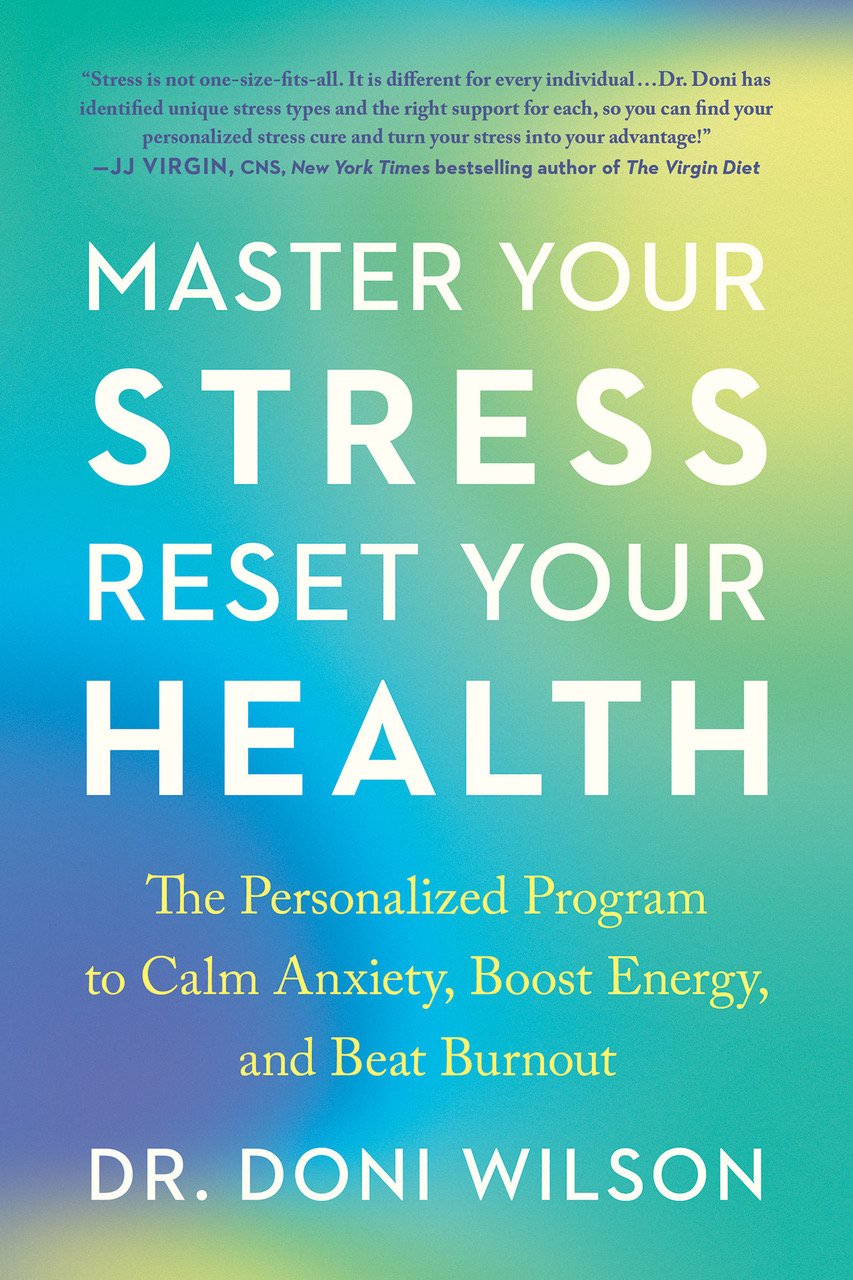
In my book Master Your Stress Reset Your Health, I explain how stress, trauma, toxins, and a lack of recovery, can keep us stuck in “stress mode” and turn on our genetic susceptibilities — and how an individualized approach to recovery makes all the difference.
Getting out of stress mode will help you to reverse insulin resistance, metabolic syndrome, and any blood sugar related health issues.
Start by taking my Stress Type® Quiz to understand how stress is impacting you today, and then follow my Stress Recovery Protocol and C.A.R.E. Method to support your body and nervous system to heal using diet changes, and natural approaches including time in nature.
TAKE THE FREE STRESS QUIZ TO FIND OUT YOUR STRESS TYPE:
If you’re dealing with HPV and want to prevent cervical cancer, I welcome you to join me over on Instagram @drdoniwilson and on my website at clearhpvnow.com. You can download my free HPV Recovery Guide and watch videos of women who’ve implemented my HPV Protocol and found freedom from high-risk HPV.
If you’d like to get a better sense of my approach, I welcome you to join my next free How to Get Rid of HPV online workshop where I help you to create a plan to get HPV out of your life for good. From there, you might choose to join the Heal HPV Kickstart Program, for the initial steps of my protocol, including diet changes and supplements, over the next 30 days.
Or you can begin with the comprehensive Say Goodbye to HPV Program, which includes everything you need to implement my full protocol and to address all eight susceptibilities to HPV, including helping you to resolve underlying emotional stress and trauma.

If you have any questions, please don’t hesitate to reach out to my office. My team and I would be happy to connect with you and help you. Click here to set up a call with my team.
Thank you, everyone, for listening in to How Humans Heal and learning all about how Dr. Beverly is helping people fix their blood sugar and prevent or reverse diabetes. If you haven’t already subscribed, I welcome you to subscribe so you don’t miss the next episode.
We’re glad you’re here and look forward to supporting you with your health.

Social:
- Facebook: https://facebook.com/drdoniwilson
- Instagram: https://instagram.com/drdoniwilson
- Threads: https://threads.net/@drdoniwilson
- YouTube: https://youtube.com/DoniWilsonND
Subscribe:
- Weekly Wellness Wisdom (Newsletter): https://doctordoni.com/www
- How Humans Heal (Podcast): https://doctordoni.com/podcast
More Resources from Dr. Doni:
- Stress Type Quiz: Assess your Adrenal Function
https://doctordoni.com/quiz - Dr. Doni’s Book: Master Your Stress, Reset Your Health
https://doctordoni.com/book - Dr. Doni’s Facebook Group: Stress Warrior Stress Resiliency
https://facebook.com/groups/stresswarrior - HPV Recovery Guide (FREE)
https://doctordoni.com/ddpp/hpv-guide/ - FREE Masterclasses with Dr. Doni
https://doctordoni.com/masterclasses - FREE Guides from Dr. Doni
https://doctordoni.com/guides
Personalized Solutions:
- 14-Day Detox Program: You can start this transformation program anytime
https://doctordoni.com/detox-program - Say Goodbye to HPV (12-week Program): Begin the journey to freedom from HPV today!
https://doctordoni.com/say-goodbye-to-hpv - If you’d like to meet with Dr. Doni one-on-one for your health, request a Health Breakthrough Session: https://doctordoni.com/breakthrough
Disclaimer: This specific article and all other Content, Products, and Services of this Website are NOT intended as, and must not be understood or construed as, medical care or advice, naturopathic medical care or advice, the practice of medicine, or the practice of counseling care, nor can it be understood or construed as providing any form of medical diagnosis, treatment, natural HPV cure, or prevention of any disease.






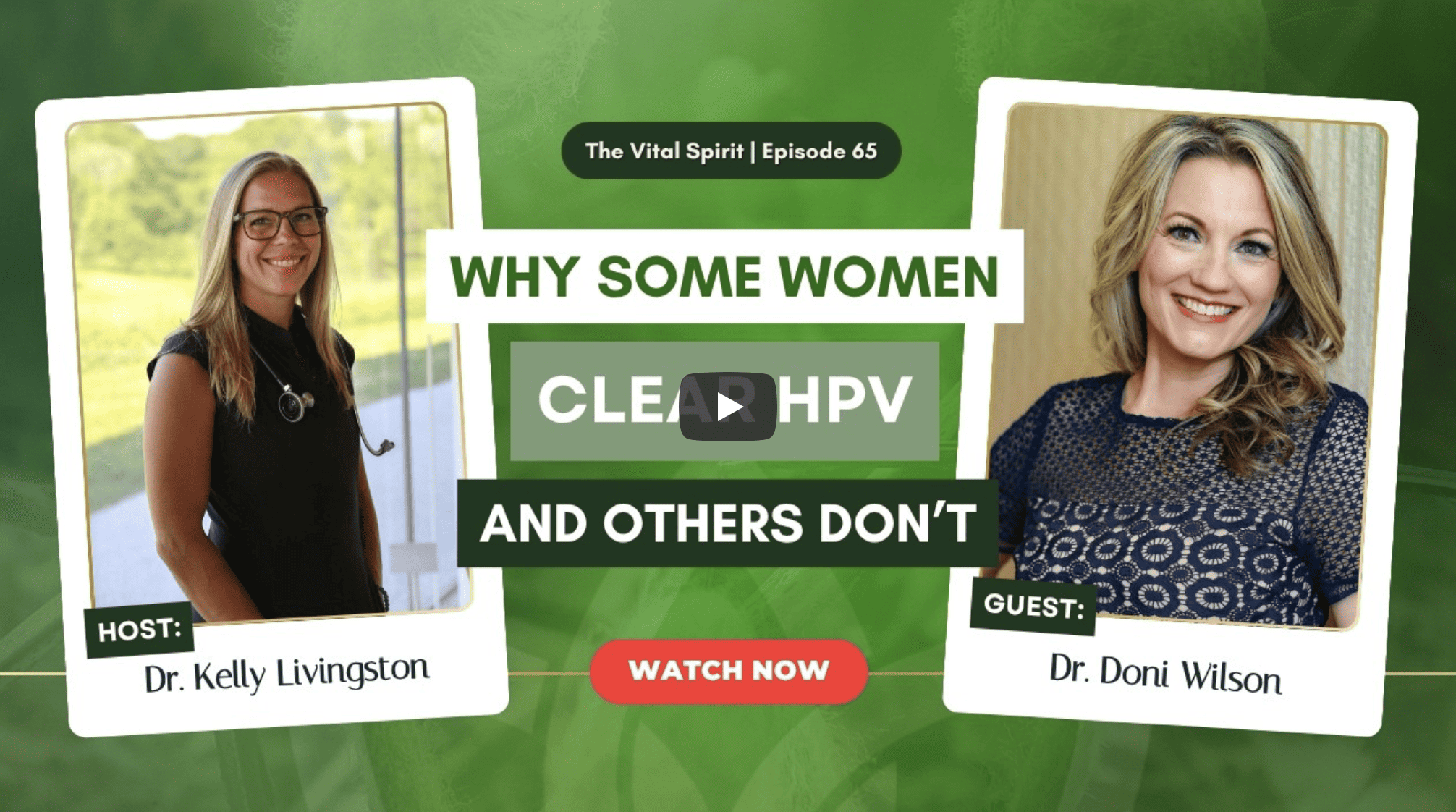
The Truth About HPV: Why Some Women Clear It and Others Don’t – Dr. Doni on The Vital Spirit Podcast
Dr. Doni was interviewed by Dr. Kelly Livingston on The Vital Spirit Podcast to talk about how we can clear HPV by addressing the root causes that made us susceptible to the virus in the first place.
How to Clear High-Risk HPV Naturally and Reduce Cervical Cancer Risk – Dr. Doni on the Reinvent Healthcare Podcast
Dr. Doni was interviewed by Dr. Ritamarie Loscalzo on the Reinvent Healthcare Podcast to talk about what actually drives HPV persistence, why most women are told “there’s nothing you can do,” and how a terrain-based approach helps the body clear high-risk HPV and stay negative long term.
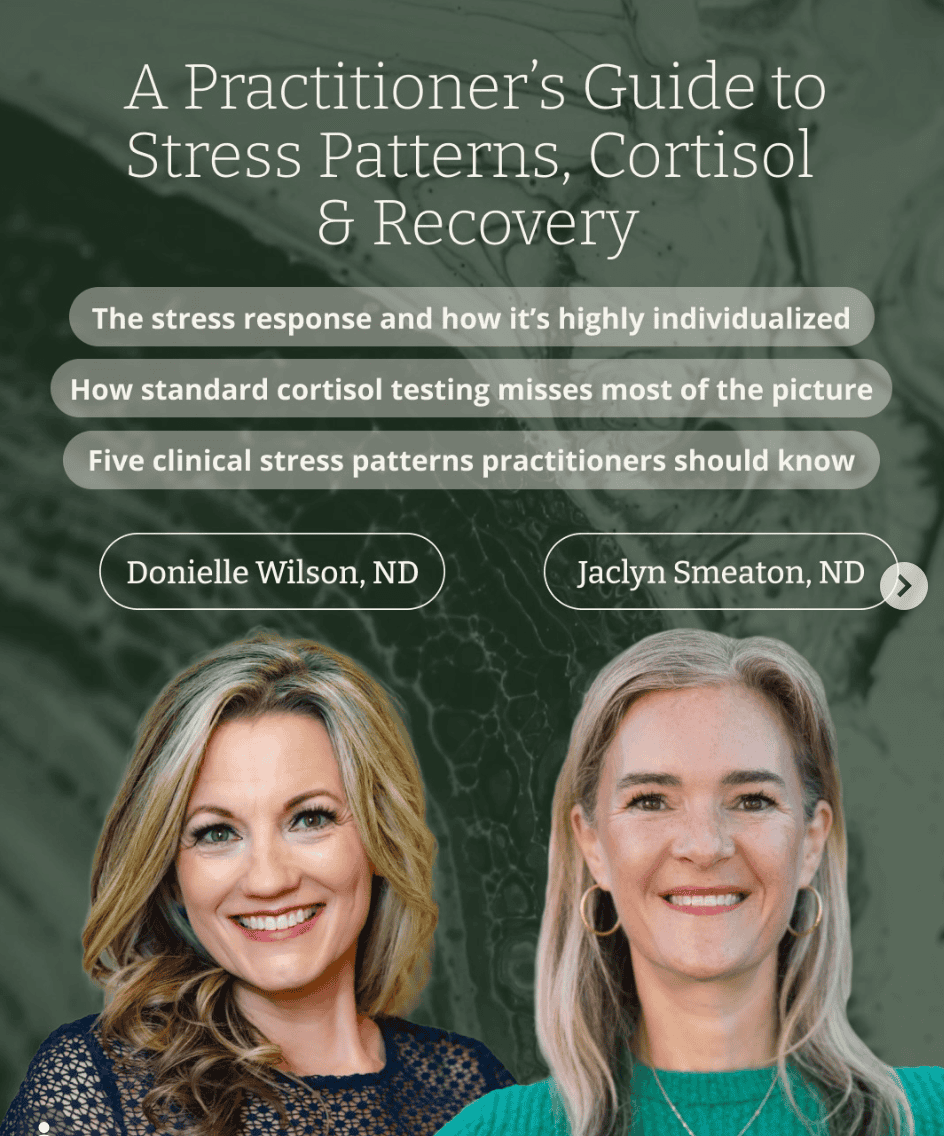
A Practitioner’s Guide to Stress Patterns, Cortisol & Recovery – Dr. Doni on The DUTCH Podcast
Dr. Doni was interviewed by Dr. Jaclyn Smeaton on The DUTCH Podcast to discuss Dr. Doni’s clinical philosophy, research findings, and personal journey around understanding and treating stress.

HPV and Women’s Health: Functional Approaches to Prevention, Healing, and Empowerment – Dr. Doni on “The Clinician’s Corner” Podcast
Dr. Doni was interviewed by Clinician Margaret Floyd Barry on “The Clinician’s Corner” Podcast to talk about how HPV isn’t just a women’s health issue, how stress and trauma can play a pivotal role in immune resilience, and the actionable strategies clinicians can implement to help their clients clear HPV naturally.