
Let’s talk about how we can recover from stress even while we’re under stress.
Stress and trauma can make us susceptible to health issues, including HPV, so it’s imperative to know your Stress Type®, and how it influences your stress and trauma recovery plan.
Why “Stress-Free” Isn’t the Goal
I want to be clear from the start: I’m NOT going to talk about how to reduce your stress to zero or try to become stress-free, because as humans we’re always going to have some exposure to it. Aiming to be stress-free is impossible, and chasing this could actually cause more damage than good, so I encourage you to release that concept.
We often talk about “managing” stress instead, but I see people fail at managing it all the time. So I reframe the goal to “mastering” it by recovering from it. That’s achievable.
In this episode I’ll teach you what I do to help my patients recover from stress and trauma and become resilient to it, because once we accept that this is part of the human experience, we can take action to support ourselves through it and prevent its effects on our health and our lives.
How I Started Thinking About This Differently
The shift in how I think about stress began during my naturopathic training, when I researched how it affects humans — specifically women who are pregnant and preparing for labor — and how to support them through the labor process. I learned so much from these women.
After I graduated and finished my residency, I started practicing in the tri-state area right after 9/11, so my patients and I had all gone through an extremely traumatic experience. That gave me another opportunity to observe how I could help patients recover.
At the same time, I was a new mother, and soon after, I went through a divorce and dealt with my own health issues. I was faced with the question of how to recover from stress while still under it — and I believed it was possible. When we believe something is possible, we often figure out a way. That’s what I did, what I’ve written about in my books, and what I’m here to share with you today.
Don’t Guess Your Cortisol — Test It
A common misconception is that people assume they have high cortisol. In fact, research shows not everyone has high cortisol levels — a substantial number of people actually have cortisol that’s too low. We can’t guess; we need to test, because the treatment differs depending on which pattern you have. Adrenaline levels are also unique to each person and need to be tested.
Another common mistake is only checking your cortisol level in your blood at one time of day. Cortisol is a hormone that should naturally change throughout the day and night. It increases in the morning, helping to wake you up and set your circadian rhythm, then it gradually decreases, reaching its lowest point at bedtime.
We need to see your full cortisol curve in order to know what your cortisol is doing. I recommend measuring cortisol in saliva or urine at four times in a day: Morning, midday, evening, and bedtime. Adrenaline can be measured in urine, and this can all be collected at home and sent to the lab.
Your Cortisol “Set Point” Is Like a Thermostat
Another misconception is that when you test your cortisol, it is only reflecting that day you tested. That is not the case.
Even measured on a single day, your results reflect your cortisol set point. Research shows your body anticipates stress based on what you’ve experienced over recent days, weeks, months, and years — it works like a thermostat, not a daily decision. The same applies to adrenaline.
Interestingly, our bodies anticipate what our stress exposure will be and prepare to produce the same amount of cortisol and adrenaline that we’ve been using. At the same time, we get accustomed to the level of stress hormones that we have and subconsciously choose activities that match the number of stressors we’ve been exposed to, starting back to childhood. It becomes a perpetual experience of stress.
Your cortisol and adrenaline set point is unique to you – as individual as your fingerprint – shaped by your genetics, your own past stress and trauma exposure, and even your parents’ trauma exposure.
If you want to change your stress exposure in the future, and prevent a disruption in your hormone levels, you’ll need to change your behaviors, routines, and anticipation of it – which requires awareness – while also resetting your body’s hormone levels, because otherwise your body will continue to recreate your current set point.
Why This Matters for Your Health
Optimal cortisol levels are linked to better energy, mood, focus, sleep, digestion, immune function, hormone balance, and nervous system function.
Cortisol levels relate to susceptibility to many health issues – from high-risk HPV-related cancer to autoimmunity, anxiety, fatigue, heart disease, weight gain, skin issues, fertility problems, dementia, and more.
Measuring cortisol throughout the day is a key missing piece in most cases I see. This isn’t yet part of the standard of care. It’s done through specialty labs and paid out-of-pocket — but it’s well worth it to understand your stress response system so you can take steps to change it.
The Five Stress Types®
The treatment plan you should follow depends entirely on your specific Stress Type.
There is research on how various diet and lifestyle changes, recovery activities, nutrients, herbs, mushrooms, meditation, music, and mindfulness can all help with recovery from stress— but the right combination depends on your type:
- Stress Magnet – High cortisol and high adrenaline (norepinephrine and epinephrine), either all day or at certain times of day.
- Night Owl – High cortisol and/or adrenaline at night, before bed.
- Sluggish and Stressed – High cortisol with low adrenaline, needing to support adrenaline without pushing cortisol higher.
- Tired and Wired – Low cortisol with high adrenaline, needing to support cortisol while adrenaline is lowered.
- Blah and Blue – Low cortisol and low adrenaline, needing to support the adrenal glands to recover their natural production of stress hormones.
Keep in mind, it’s not just about taking a product to address cortisol, such as an adaptogen. It needs to be at the right time of day based on your Stress Type and results. For example, if your cortisol is high in the morning, a supplement to lower cortisol should be taken in the morning and perhaps the night before, to prevent a rise; if cortisol is high in the afternoon, the dose moves accordingly.
Adrenals Can Recover, at Any Age
It’s a myth that low cortisol and adrenaline only happen after decades of stress — I’ve seen children who have low cortisol and adrenaline.
It’s also a myth that adrenals can’t recover; I’ve helped thousands of patients restore adrenal function using the right protocol, erasing the impact of prior exposure.
A key concept is accepting that as humans, we have a built-in stress response system – a sympathetic nervous system and adrenal glands – and we have exposure to it. From there the focus becomes giving our bodies what they need to recover each and every day, and in doing so, become resilient to it.
Take the Next Step
More than anything, I want you to know that recovering from stress and trauma and optimizing your health is absolutely possible.
There are effective nutrients, herbs, and natural approaches that can essentially erase the imprint of stress on your biology, your body, and your nervous system. To be effective, however, we first need to know your Stress Type.
You can start by taking my Stress Type® Quiz online for free. It will help you to know what your type likely is, and from there you can follow my Stress Recovery Protocol and C.A.R.E. Method to support your body and nervous system to heal using diet changes, and natural approaches.
TAKE THE FREE STRESS QUIZ TO FIND OUT YOUR STRESS TYPE:
To know your type precisely, you’ll want to do a home test for cortisol and adrenaline. I recommend also testing your urinary neurotransmitter levels at the same time, because they are also impacted by stress, and we can support them using nutrients, which supports your recovery process.
To get access to the right testing, you’ll want to work with practitioner, like me, who can also guide you to the highest quality supplements, at effective doses, and to help you prioritize what to address first, so that you are finally able to break the pattern of stress.
That’s exactly what I do in my one-on-one practice, and online programs. If you have any questions, please don’t hesitate to reach out to my office. My team and I would be happy to connect with you and help you. Click here to set up a call with my team.
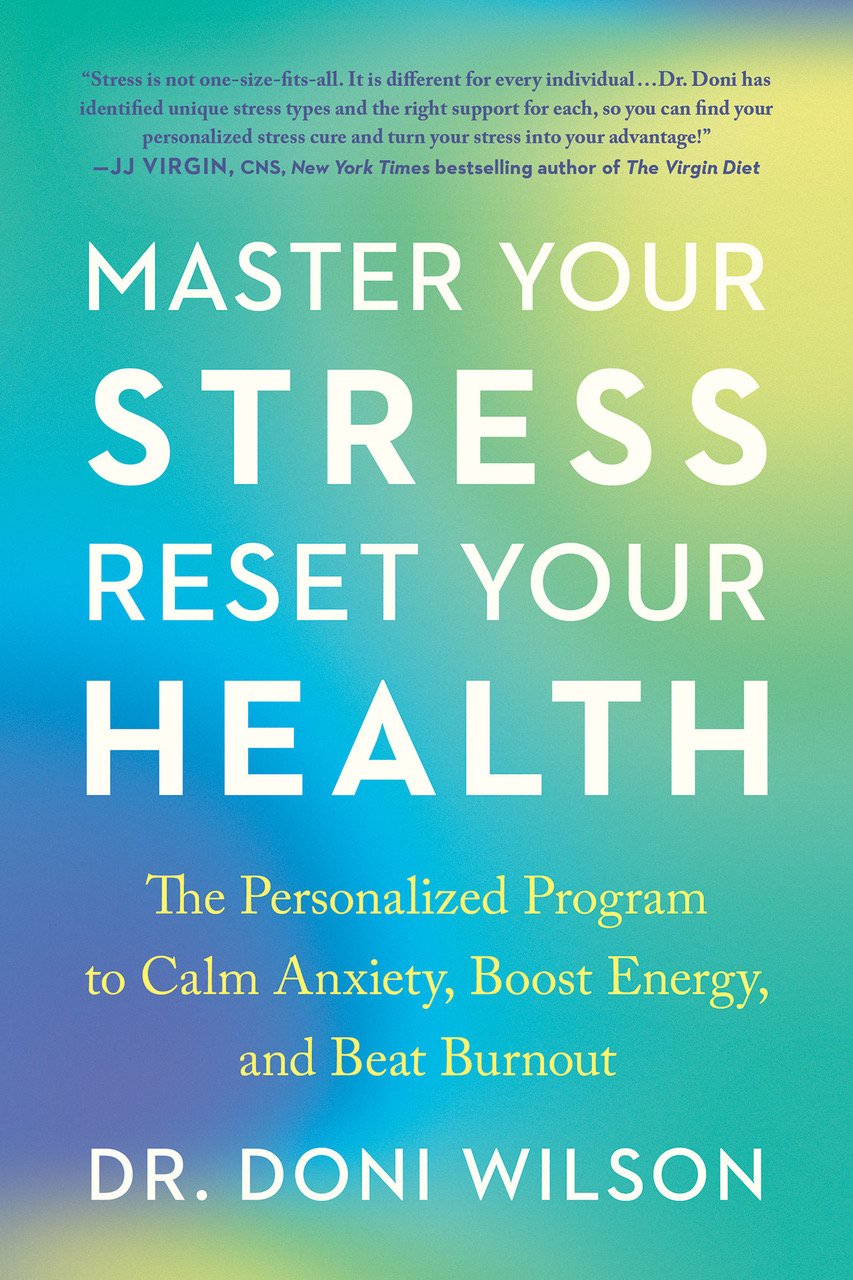
In my book Master Your Stress Reset Your Health, I explain exactly how stress, trauma, toxins, and a lack of recovery, can keep us stuck in “stress mode” and lead to various health issues, including leaky gut, food sensitivities, bacterial overgrowth, autoimmunity, and susceptibility to infections, like HPV. I also teach you about the Stress Types and how my individualized approach to recovery makes all the difference.
If you’re dealing with HPV and want to prevent cervical cancer, I welcome you to join me over on Instagram @drdoniwilson and on my website at clearhpvnow.com. You can download my free HPV Recovery Guide and watch videos of women who’ve implemented my HPV Protocol and found freedom from high-risk HPV. I want for you to feel hope that you can heal too.

If you’d like to get a better sense of my approach, I welcome you to join my next free How to Get Rid of HPV online workshop where I help you to create a plan to get HPV out of your life for good. From there, you might choose to join the Heal HPV Kickstart Program, for the initial steps of my protocol, including diet changes and supplements, over the next 30 days.
Or you can begin with the comprehensive Say Goodbye to HPV Program, which includes everything you need to implement my full protocol and to address all eight susceptibilities to HPV, including helping you to resolve underlying emotional stress and trauma.

Thank you, everyone, for listening in to this episode of How Humans Heal and learning all about how to recover from stress and optimize your health. If you haven’t already subscribed, I welcome you to subscribe so you don’t miss the next episode.
We look forward to connecting with you!

Social:
- Facebook: https://facebook.com/drdoniwilson
- Instagram: https://instagram.com/drdoniwilson
- Threads: https://threads.net/@drdoniwilson
- YouTube: https://youtube.com/DoniWilsonND
Subscribe:
- Weekly Wellness Wisdom (Newsletter): https://doctordoni.com/www
- How Humans Heal (Podcast): https://doctordoni.com/podcast
More Resources from Dr. Doni:
- Stress Type Quiz: Assess your Adrenal Function
https://doctordoni.com/quiz - Dr. Doni’s Book: Master Your Stress, Reset Your Health
https://doctordoni.com/book - Dr. Doni’s Facebook Group: Stress Warrior Stress Resiliency
https://facebook.com/groups/stresswarrior - HPV Recovery Guide (FREE)
https://doctordoni.com/ddpp/hpv-guide/ - FREE Masterclasses with Dr. Doni
https://doctordoni.com/masterclasses - FREE Guides from Dr. Doni
https://doctordoni.com/guides
Personalized Solutions:
- 14-Day Detox Program: You can start this transformation program anytime
https://doctordoni.com/detox-program - Say Goodbye to HPV (12-week Program): Begin the journey to freedom from HPV today!
https://doctordoni.com/say-goodbye-to-hpv - If you’d like to meet with Dr. Doni one-on-one for your health, request a Health Breakthrough Session: https://doctordoni.com/breakthrough
Disclaimer: This specific article and all other Content, Products, and Services of this Website are NOT intended as, and must not be understood or construed as, medical care or advice, naturopathic medical care or advice, the practice of medicine, or the practice of counseling care, nor can it be understood or construed as providing any form of medical diagnosis, treatment, natural HPV cure, or prevention of any disease.


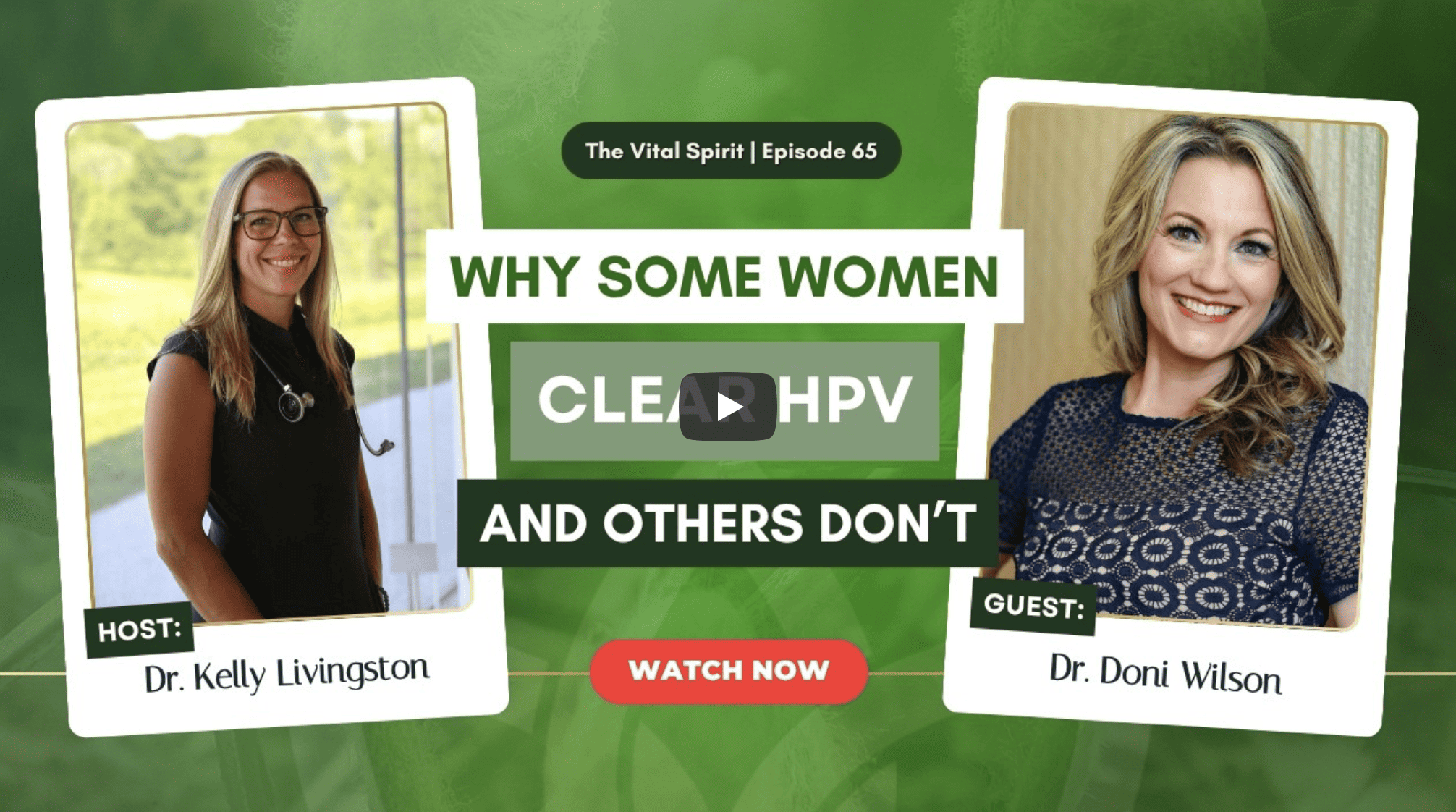
The Truth About HPV: Why Some Women Clear It and Others Don’t – Dr. Doni on The Vital Spirit Podcast
Dr. Doni was interviewed by Dr. Kelly Livingston on The Vital Spirit Podcast to talk about how we can clear HPV by addressing the root causes that made us susceptible to the virus in the first place.
How to Clear High-Risk HPV Naturally and Reduce Cervical Cancer Risk – Dr. Doni on the Reinvent Healthcare Podcast
Dr. Doni was interviewed by Dr. Ritamarie Loscalzo on the Reinvent Healthcare Podcast to talk about what actually drives HPV persistence, why most women are told “there’s nothing you can do,” and how a terrain-based approach helps the body clear high-risk HPV and stay negative long term.
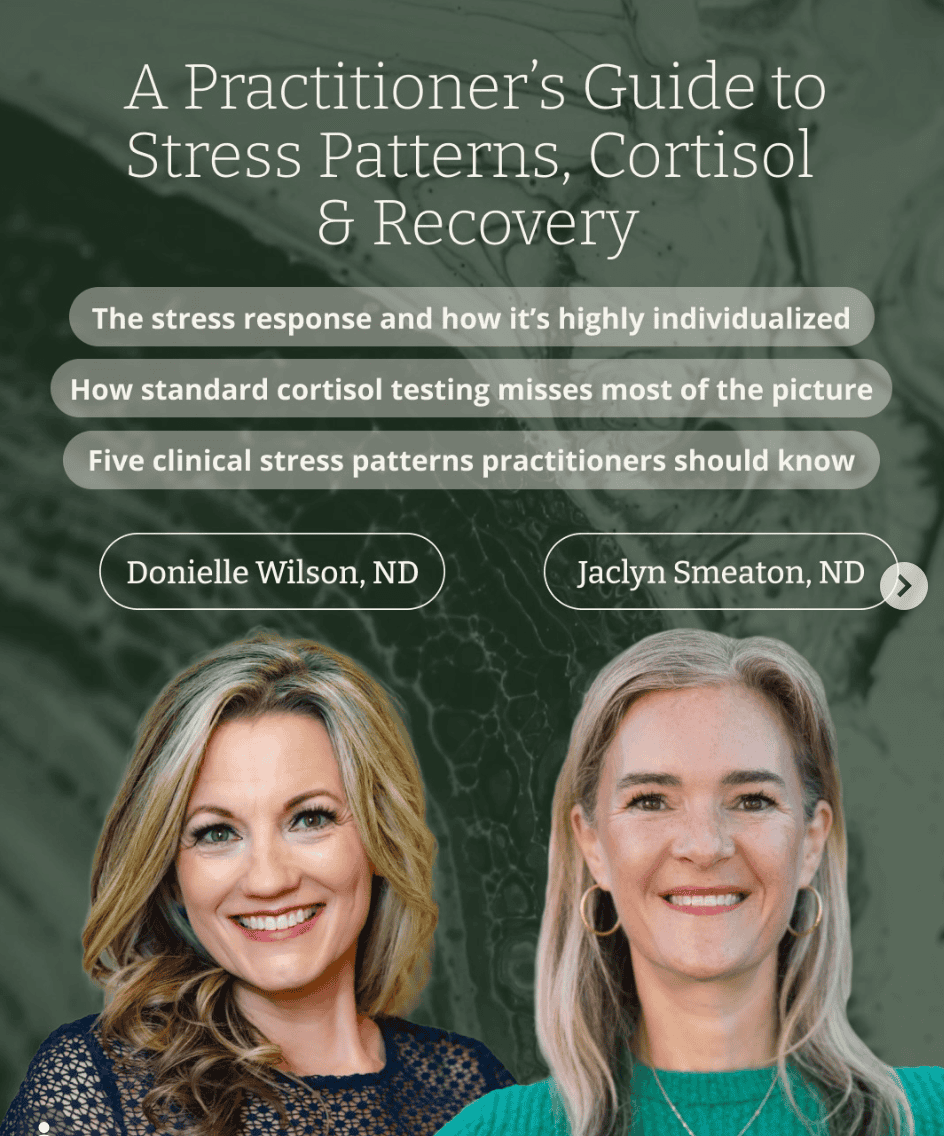
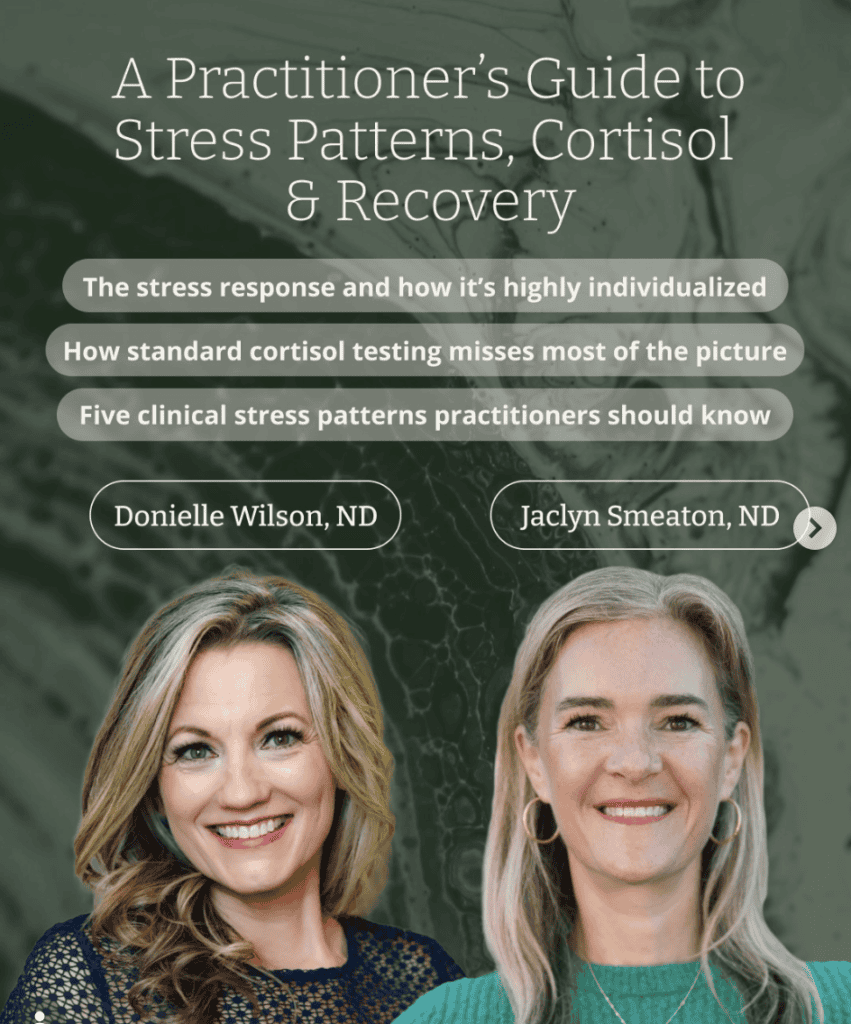
A Practitioner’s Guide to Stress Patterns, Cortisol & Recovery – Dr. Doni on The DUTCH Podcast
Dr. Doni was interviewed by Dr. Jaclyn Smeaton on The DUTCH Podcast to discuss Dr. Doni’s clinical philosophy, research findings, and personal journey around understanding and treating stress.
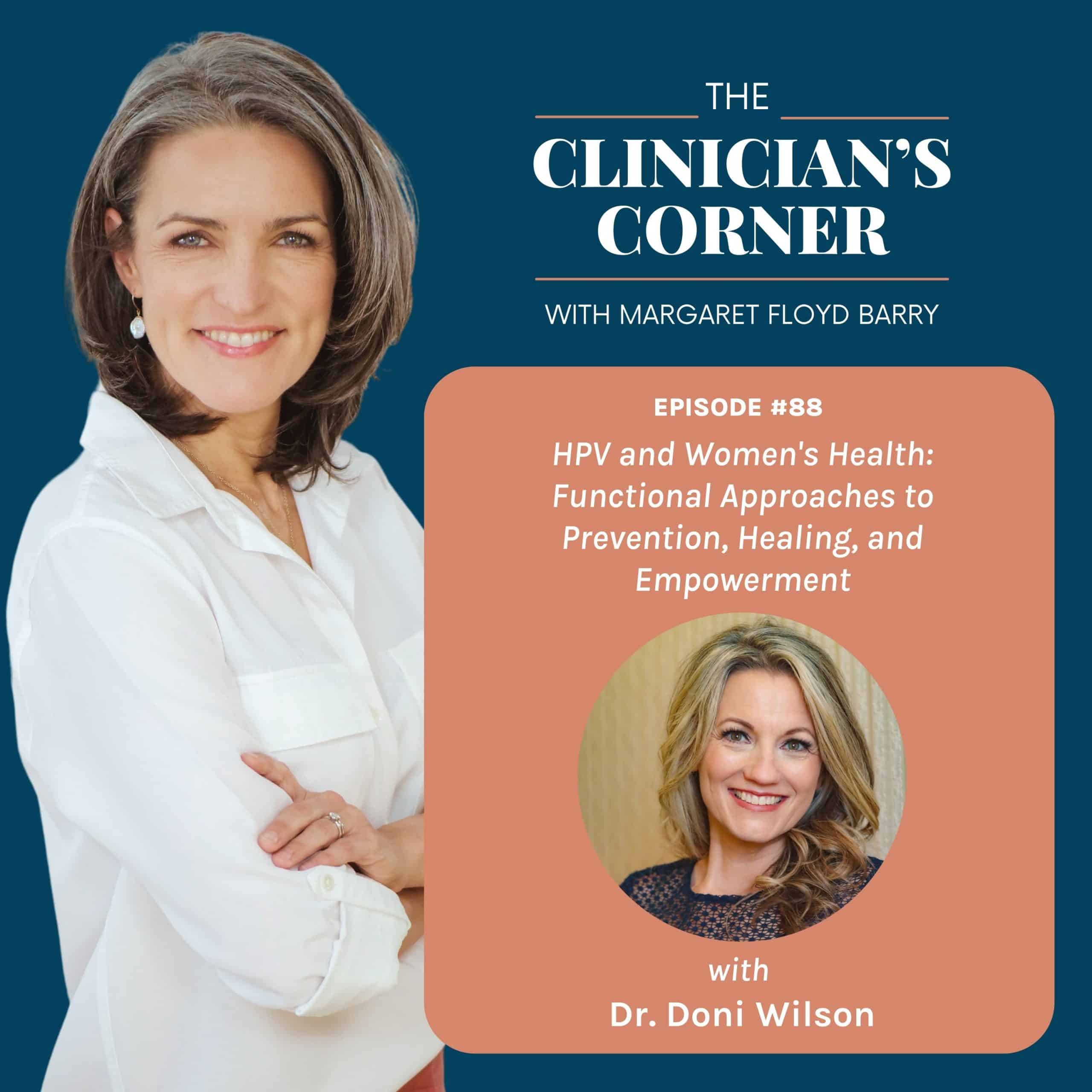
HPV and Women’s Health: Functional Approaches to Prevention, Healing, and Empowerment – Dr. Doni on “The Clinician’s Corner” Podcast
Dr. Doni was interviewed by Clinician Margaret Floyd Barry on “The Clinician’s Corner” Podcast to talk about how HPV isn’t just a women’s health issue, how stress and trauma can play a pivotal role in immune resilience, and the actionable strategies clinicians can implement to help their clients clear HPV naturally.