
Bone loss is especially important to think about during perimenopause and menopause, because the greatest loss in bone density happens within 2 years of menopause (or cessation of your menstrual cycle). More than 50% of women will experience an osteoporosis-related fracture in their lifetime. Wow!
In this episode, I’m talking with my friend Margie Bissinger, a Physical Therapist and Integrative Health Coach who has spent over 35 years helping women prevent and manage osteopenia and osteoporosis.
There is SO much we can do to help prevent bone loss – and it’s not just about eating yogurt or lifting weights. There is research we can refer to and experts, like Margie, who’ve been creating content to help women.
Margie hosts the Happy Bones Happy Life podcast and co-founded the Bone Health Academy, where she trains practitioners in her approach to bone health.
How Margie Got Started
Margie started helping women with osteoporosis when a group of endocrinologists asked her to see their patients with osteoporosis.
She was upset to see well-intentioned women being told simply to “exercise,” with no real guidance, so they turned to trainers or did whatever they could find, sometimes doing exercises that actually increased their fracture risk. That drove her to get involved on the state and national level, and she wrote one of the first books on exercise and osteoporosis.
What Margie has seen over and over is that when people are given knowledge and tools, they CAN turn their bone health around. A scary diagnosis becomes a catalyst: People get stronger, eat better, reduce stress, and life improves.
When Should You Start Thinking About Bones?
Standard guidelines often don’t call for a bone density scan until age 65, but by then it’s often too late. Margie believes every age matters, since we build 85-90% of our bone by age 18 (men by 20), so childhood habits around nutrition and exercise create the “bank” we draw on later.
Menopause is another critical window, since hormones play a major role in bone loss. New guidelines now allow testing before 65 if there’s even one risk factor, such as reaching perimenopause. Margie recommends testing at least by perimenopause, and earlier if there are other concerns like a history of anorexia or digestive issues.
Women can ask their doctor for a DEXA scan even before 65, or go straight to an imaging center and pay out of pocket if needed. Knowledge is power. It’s better to know where you stand from one scan than find out you have osteoporosis only after a hip fracture.
Margie also recommends getting a trabecular bone score, which shows bone quality (not just quantity), since two people with the same bone density number can have very different fracture risk.
Hormones and Bone Health
For decades, women were told to fear estrogen, but the research has shifted: Estrogen actually helps prevent bone loss. Bone loss can begin back at the start of perimenopause, as estrogen starts dropping, well before periods stop.
The “black box warning” on hormone therapy has been removed, and doctors are increasingly recognizing what was missed for years. Studies now support starting estrogen, and potentially progesterone, even before official menopause to protect bone density.
Margie’s Four Pillars for Bone Health
1. Identifying root causes: The first pillar is identifying root causes. Conventional medicine often takes a one-size-fits-all approach, but issues like poor digestion, food sensitivities, inflammation, or certain medications (like proton pump inhibitors) can all affect bone health.
Margie also flags an often-missed problem: an overactive parathyroid gland, which pulls calcium out of the bones. If your blood calcium is over 10 and you’re over 40, it’s worth having evaluated, since the fix is surgery and results can be dramatic.
This isn’t about an either/or between natural approaches and medication. For people at high risk, newer medications can actually build bone and can be used short-term while addressing root causes underneath.
2. Nutrition: The second pillar is nutrition, especially calcium, magnesium, vitamin D, K2, and adequate protein.
3. Exercise: The third is exercise. Research over the past decade has overturned old fears about strength training, showing that bones respond to the forces placed on them, and people can build bone at any age.
Strength training twice a week, including weighted squats, shoulder presses, and deadlifts, along with balance and aerobic work, forms a well-rounded program. However, people with osteoporosis or osteopenia should avoid repetitive forward flexion and rounding of the spine, since that’s where fractures actually occur.
A Mayo Clinic study found people doing rounding exercises had an 89% fracture rate over six years, compared to 16% for those doing backward extension.
4. Recovering from Stress: The fourth pillar, and one that is foundational, is recovering from stress and increasing happiness. Chronic stress raises cortisol, which increases the cells that break down bone and reduces the cells that build it.
Happier people have measurably higher bone density. We need to notice when we slip into a victim mindset (blaming, shaming, or complaining), redirect toward solutions, savor good moments for at least 20 seconds to build new neural pathways, and question negative thoughts rather than suppress them.
Exercise Programs and Devices
Pilates and yoga are great when practiced with appropriate modifications. For this Margie points to safe movement guides from the Bone Health and Osteoporosis Foundation.
Margie personally follows the Onero program, based on Australian research (the LIFTMOR study), which combines weighted squats, deadlifts, and shoulder presses under professional supervision.
On trendy devices, Margie is cautious. She favors the low-intensity Marodyne vibration unit over high-intensity vibration platforms, which haven’t been shown to be necessary and can carry risks like retinal detachment.
She’s skeptical of products like Osteoboost, noting the underlying research didn’t show what was claimed, and of weighted vests worn throughout the day, since they haven’t been shown to help unless used within a structured exercise program.
Monitoring Progress with Blood Tests
Since DEXA scans are typically repeated only every two years, Margie recommends the CTX (C-Telopeptide) test to track bone breakdown and P1NP to track bone building, ideally within a few weeks of starting a program and at regular intervals to assess progress. She aims for CTX under 500, with under 350 being an even better target; values above 400 often indicate ongoing bone loss.
Margie’s message throughout is one of empowerment: a bone density diagnosis isn’t a life sentence, but an opportunity to look at your whole health and make meaningful changes.
If you want to learn more about Margie you can find her on Instagram @margiebissinger and Facebook @Margie Bissinger, MS, PT, CHC. You can also find more about her Happy Bones Roadmap Program here or check out this Video Series – Osteoporosis Exercises to Strengthen Your Bones and Prevent Fractures.
A Note from Dr. Doni
I, too, help a lot of people in my practice with osteoporosis and bone health, and I completely agree with Margie about how important it is to prevent and reverse bone loss through a root-cause approach combining exercise, nutrition, hormone awareness, and stress recovery.
I want you to know that optimizing your health is absolutely possible. There are ways to support healing using diet, lifestyle changes, and natural products, including natural hormones, and to avoid medications whenever possible, or alongside medications when necessary.
For this, it is important to address the underlying causes of health issues by working with a practitioner, like me, who can help you look deeper to uncover the root causes of your health issue, so that you are finally able to break the underlying patterns that lead to the symptoms and conditions we want to prevent.
Ultimately, it comes down to helping you to recover from what you’ve been exposed to in your lifetime – physical and emotional stress, as well as toxins and toxic relationships.
That’s exactly what I do in my one-on-one practice, and group programs, including my 14-day Detox Program, where I teach you how to detoxify your body and mind in a safe and effective way. You can read about it and join in here.

Common health issues that arise when our bodies have been impacted by stress and toxins include: fatigue, hormone imbalances, digestive issues, autoimmunity, anxiety, depression, infections, including vaginal infections (HPV, BV, and yeast), bone loss, and so many more.
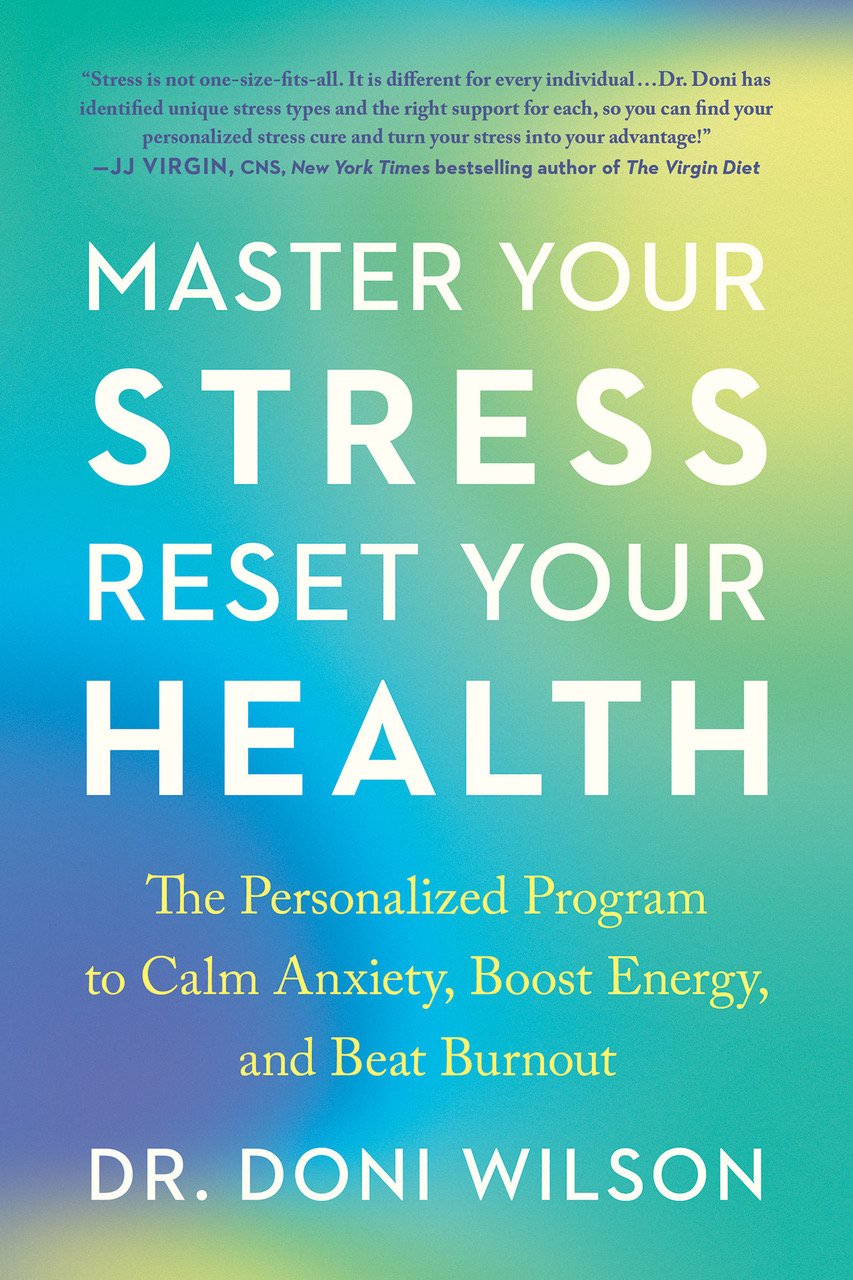
In my book Master Your Stress Reset Your Health, I explain how stress, trauma, toxins, and a lack of recovery, can keep us stuck in “stress mode” and turn on our genetic susceptibilities — and how an individualized approach to recovery makes all the difference.
Start by taking my Stress Type® Quiz to understand how stress is impacting you today, and then follow my Stress Recovery Protocol and C.A.R.E. Method to support your body and nervous system to heal using diet changes, and natural approaches including time in nature.
TAKE THE FREE STRESS QUIZ TO FIND OUT YOUR STRESS TYPE:
If you’re dealing with HPV and want to prevent cervical cancer, I welcome you to join me over on Instagram @drdoniwilson and on my website at clearhpvnow.com. You can download my free HPV Recovery Guide and watch videos of women who’ve implemented my HPV Protocol and found freedom from high-risk HPV. I want for you to feel hope that you can heal too.

If you’d like to get a better sense of my approach, I welcome you to join my next free How to Get Rid of HPV online workshop where I help you to create a plan to get HPV out of your life for good. From there, you might choose to join the Heal HPV Kickstart Program, for the initial steps of my protocol, including diet changes and supplements, over the next 30 days.
Or you can begin with the comprehensive Say Goodbye to HPV Program, which includes everything you need to implement my full protocol and to address all eight susceptibilities to HPV, including helping you to resolve underlying emotional stress and trauma.

If you have any questions, please don’t hesitate to reach out to my office. My team and I would be happy to connect with you and help you. Click here to set up a call with my team.
Thank you, everyone, for listening in to How Humans Heal and learning all about how Margie is helping women address their bone health early in life through natural methods and root-cause-focused plans. If you haven’t already subscribed, I welcome you to subscribe so you don’t miss the next episode.
I look forward to helping you.

Social:
- Facebook: https://facebook.com/drdoniwilson
- Instagram: https://instagram.com/drdoniwilson
- Threads: https://threads.net/@drdoniwilson
- YouTube: https://youtube.com/DoniWilsonND
Subscribe:
- Weekly Wellness Wisdom (Newsletter): https://doctordoni.com/www
- How Humans Heal (Podcast): https://doctordoni.com/podcast
More Resources from Dr. Doni:
- Stress Type Quiz: Assess your Adrenal Function
https://doctordoni.com/quiz - Dr. Doni’s Book: Master Your Stress, Reset Your Health
https://doctordoni.com/book - Dr. Doni’s Facebook Group: Stress Warrior Stress Resiliency
https://facebook.com/groups/stresswarrior - HPV Recovery Guide (FREE)
https://doctordoni.com/ddpp/hpv-guide/ - FREE Masterclasses with Dr. Doni
https://doctordoni.com/masterclasses - FREE Guides from Dr. Doni
https://doctordoni.com/guides
Personalized Solutions:
- 14-Day Detox Program: You can start this transformation program anytime
https://doctordoni.com/detox-program - Say Goodbye to HPV (12-week Program): Begin the journey to freedom from HPV today!
https://doctordoni.com/say-goodbye-to-hpv - If you’d like to meet with Dr. Doni one-on-one for your health, request a Health Breakthrough Session: https://doctordoni.com/breakthrough
Disclaimer: This specific article and all other Content, Products, and Services of this Website are NOT intended as, and must not be understood or construed as, medical care or advice, naturopathic medical care or advice, the practice of medicine, or the practice of counseling care, nor can it be understood or construed as providing any form of medical diagnosis, treatment, natural HPV cure, or prevention of any disease.

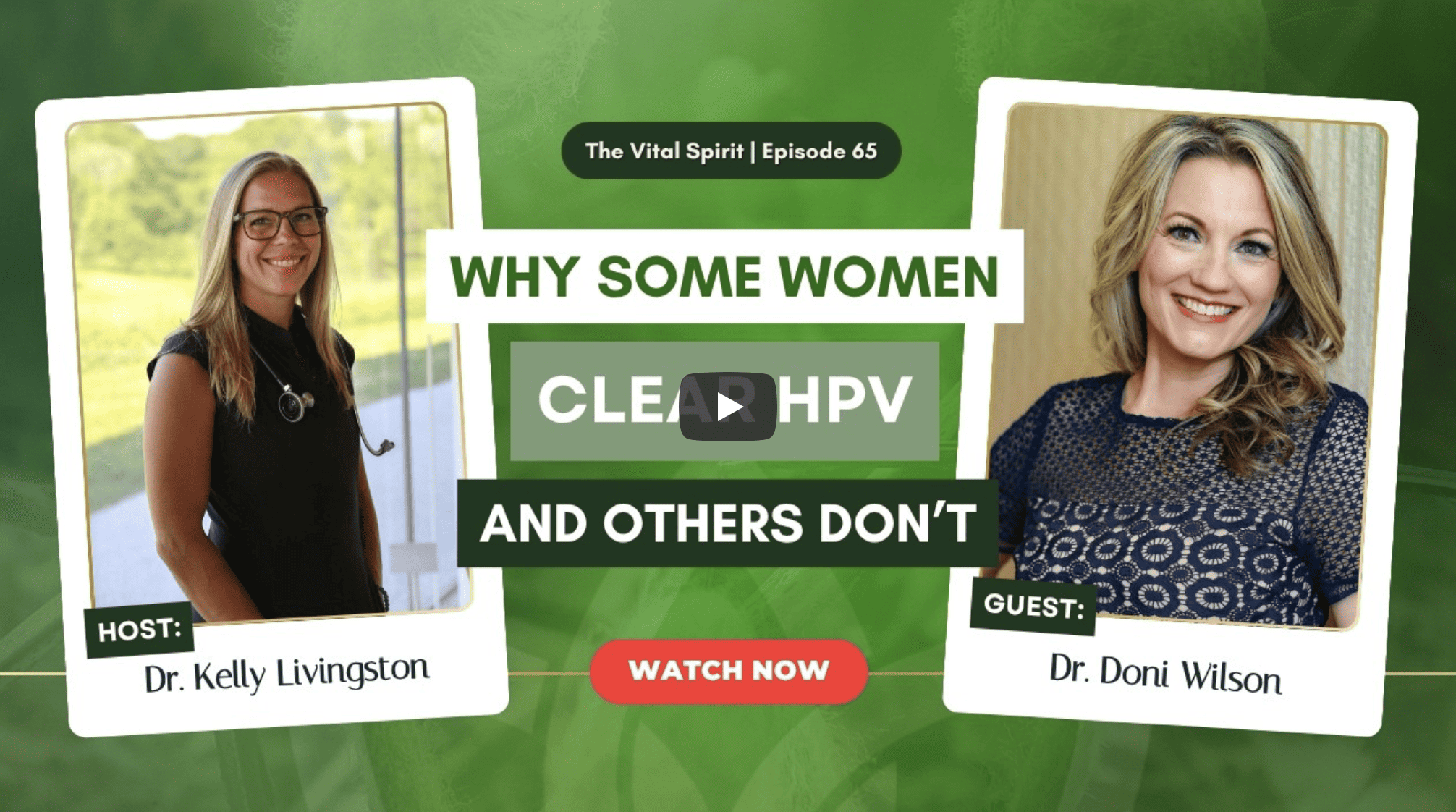
The Truth About HPV: Why Some Women Clear It and Others Don’t – Dr. Doni on The Vital Spirit Podcast
Dr. Doni was interviewed by Dr. Kelly Livingston on The Vital Spirit Podcast to talk about how we can clear HPV by addressing the root causes that made us susceptible to the virus in the first place.
How to Clear High-Risk HPV Naturally and Reduce Cervical Cancer Risk – Dr. Doni on the Reinvent Healthcare Podcast
Dr. Doni was interviewed by Dr. Ritamarie Loscalzo on the Reinvent Healthcare Podcast to talk about what actually drives HPV persistence, why most women are told “there’s nothing you can do,” and how a terrain-based approach helps the body clear high-risk HPV and stay negative long term.
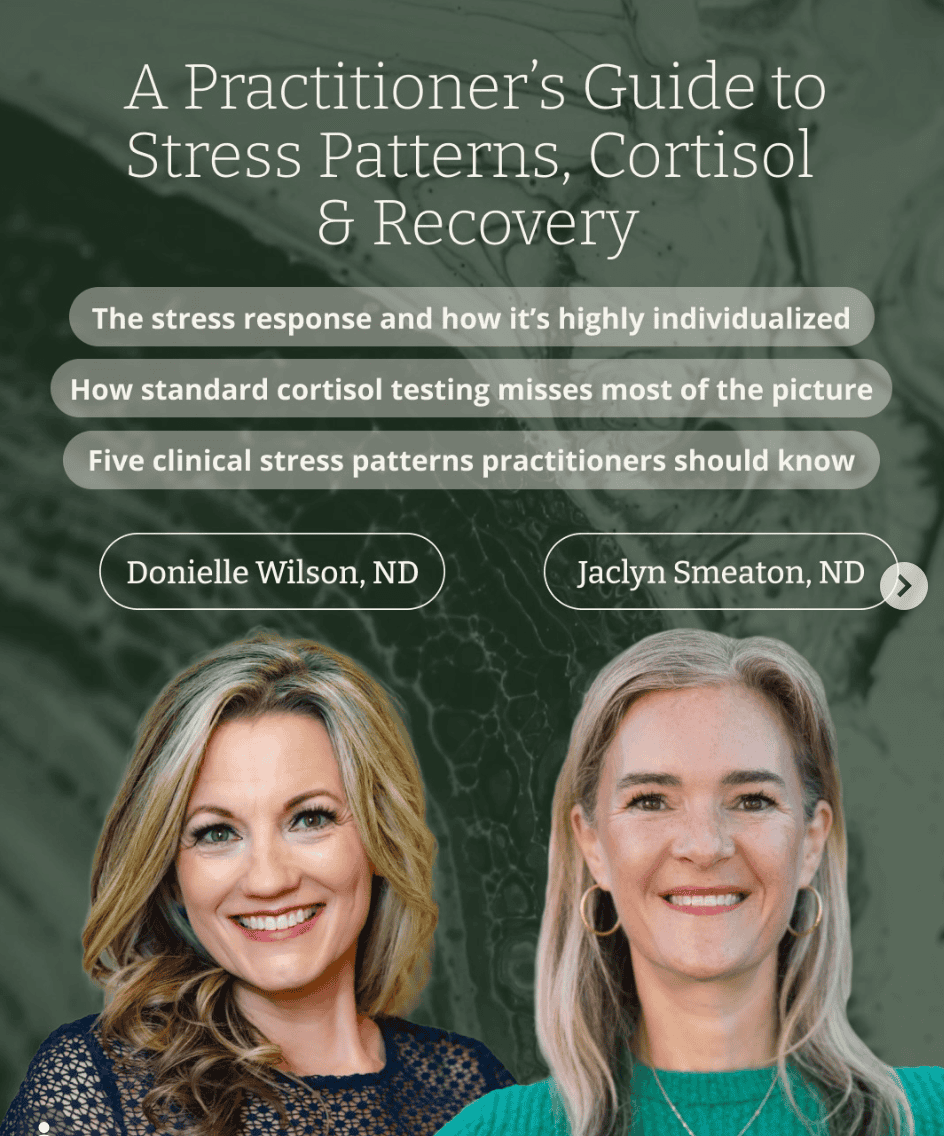
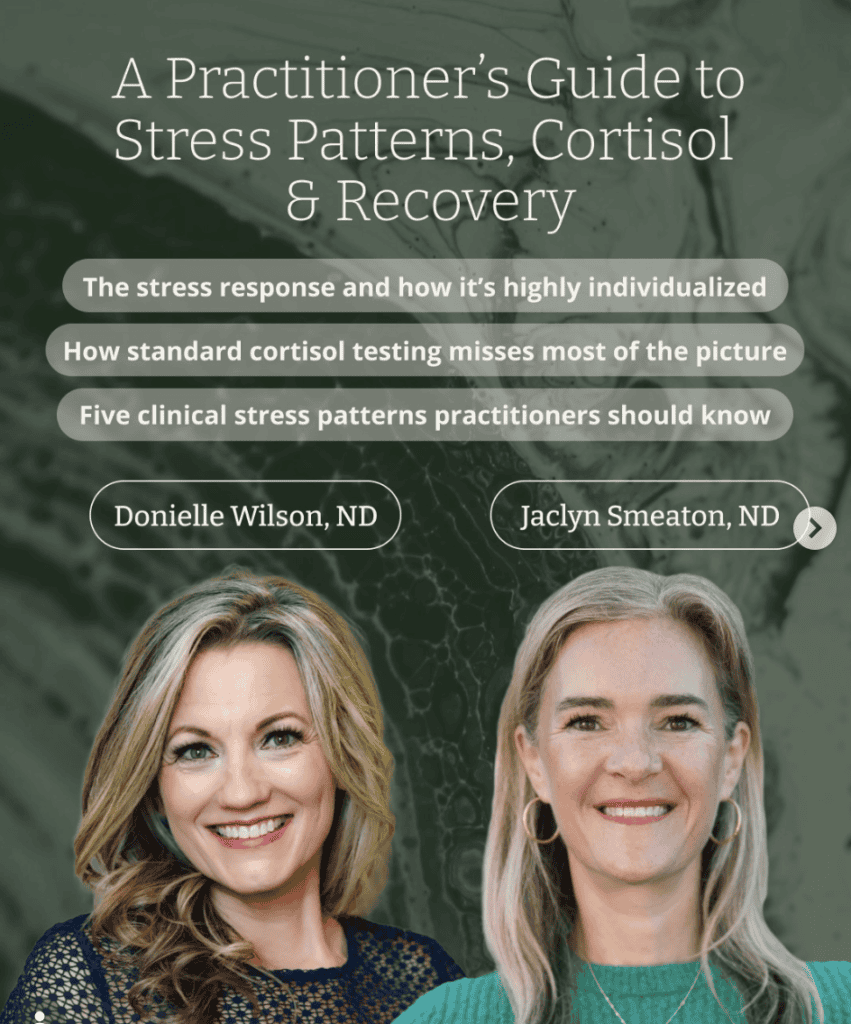
A Practitioner’s Guide to Stress Patterns, Cortisol & Recovery – Dr. Doni on The DUTCH Podcast
Dr. Doni was interviewed by Dr. Jaclyn Smeaton on The DUTCH Podcast to discuss Dr. Doni’s clinical philosophy, research findings, and personal journey around understanding and treating stress.
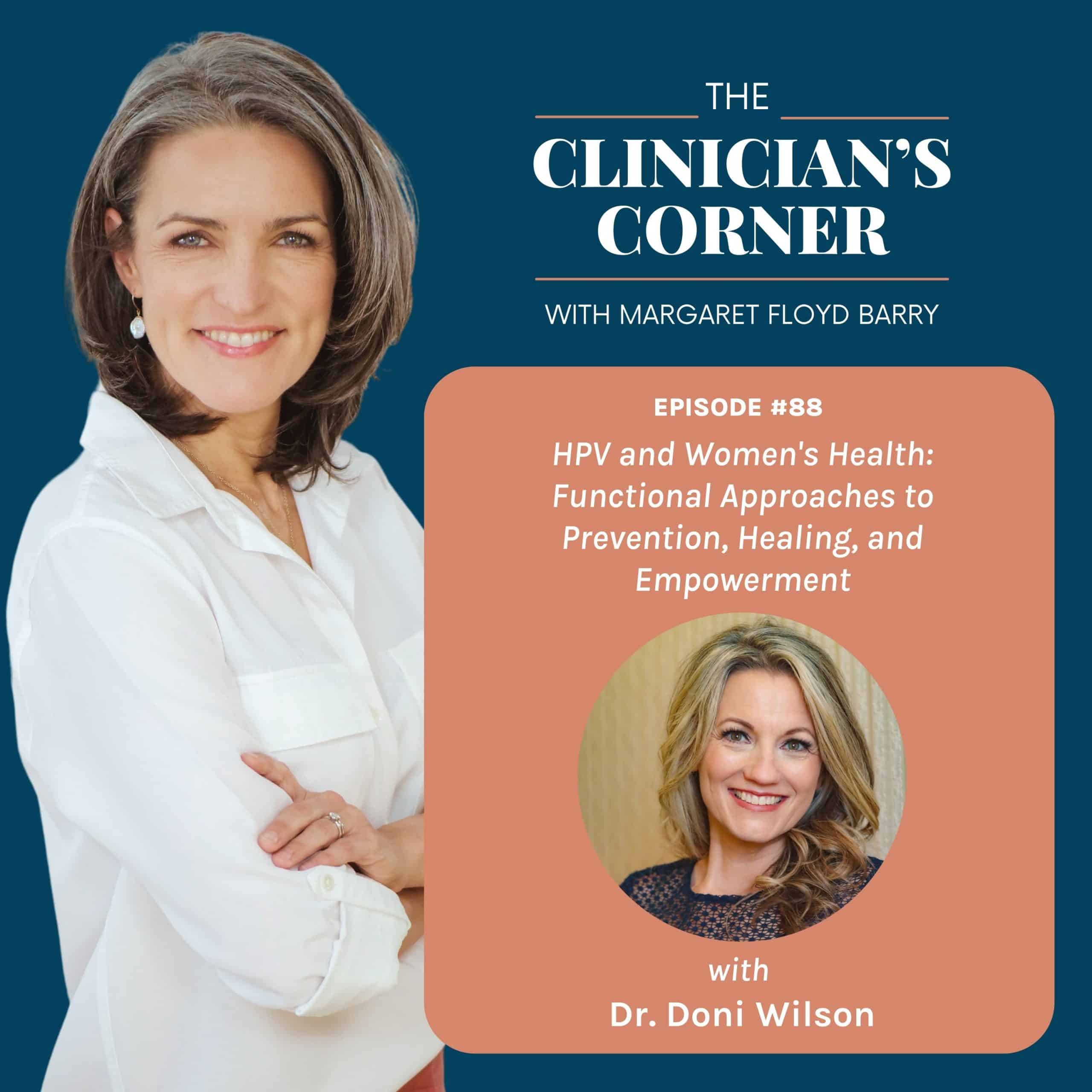
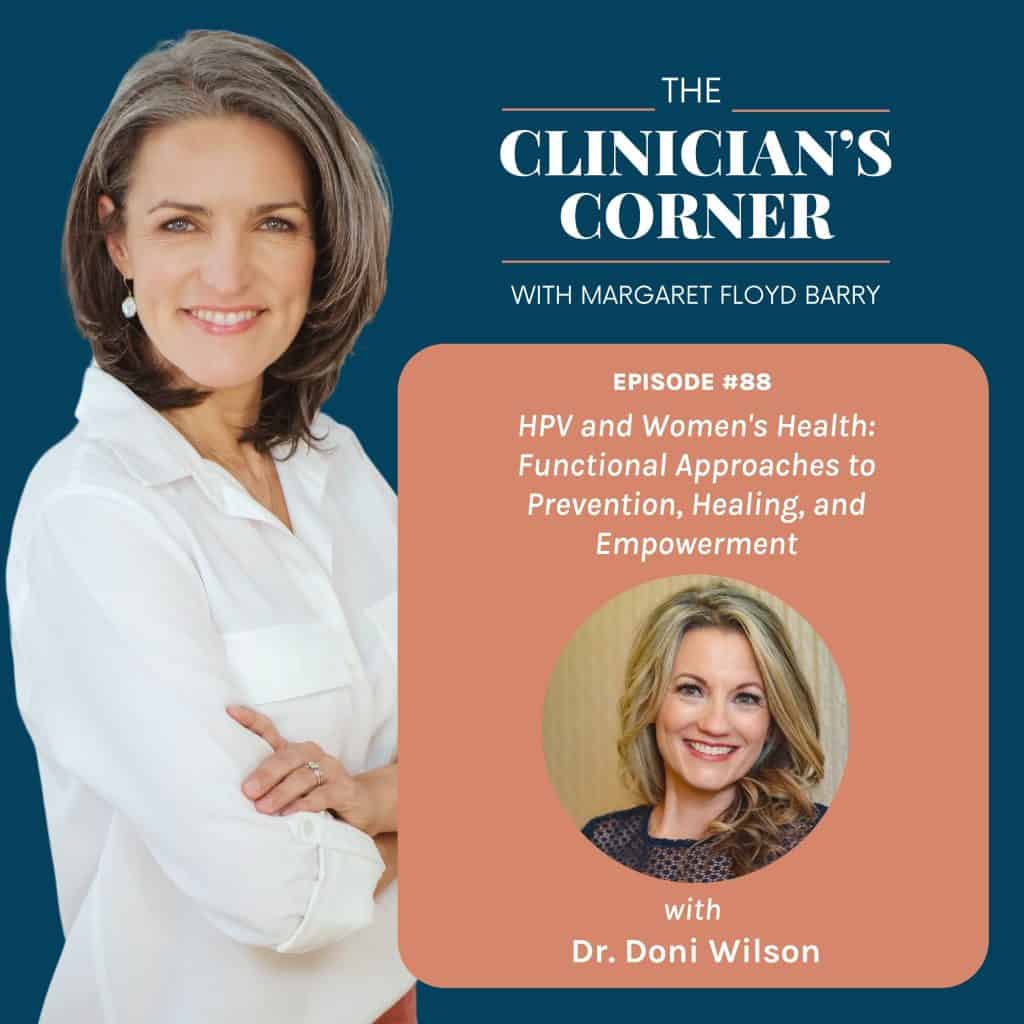
HPV and Women’s Health: Functional Approaches to Prevention, Healing, and Empowerment – Dr. Doni on “The Clinician’s Corner” Podcast
Dr. Doni was interviewed by Clinician Margaret Floyd Barry on “The Clinician’s Corner” Podcast to talk about how HPV isn’t just a women’s health issue, how stress and trauma can play a pivotal role in immune resilience, and the actionable strategies clinicians can implement to help their clients clear HPV naturally.