
Women deserve to talk openly about what is happening in their bodies, especially when it comes to intimacy, vaginal health, vulvar vitality and the changes that come with perimenopause and after menopause.
Unfortunately, these topics don’t get talked about in the gynecology office, and many of us were never given the language for this part of our bodies called the vulva.
That is why this conversation is so important, including for women dealing with high-risk HPV and associated gynecological procedures.
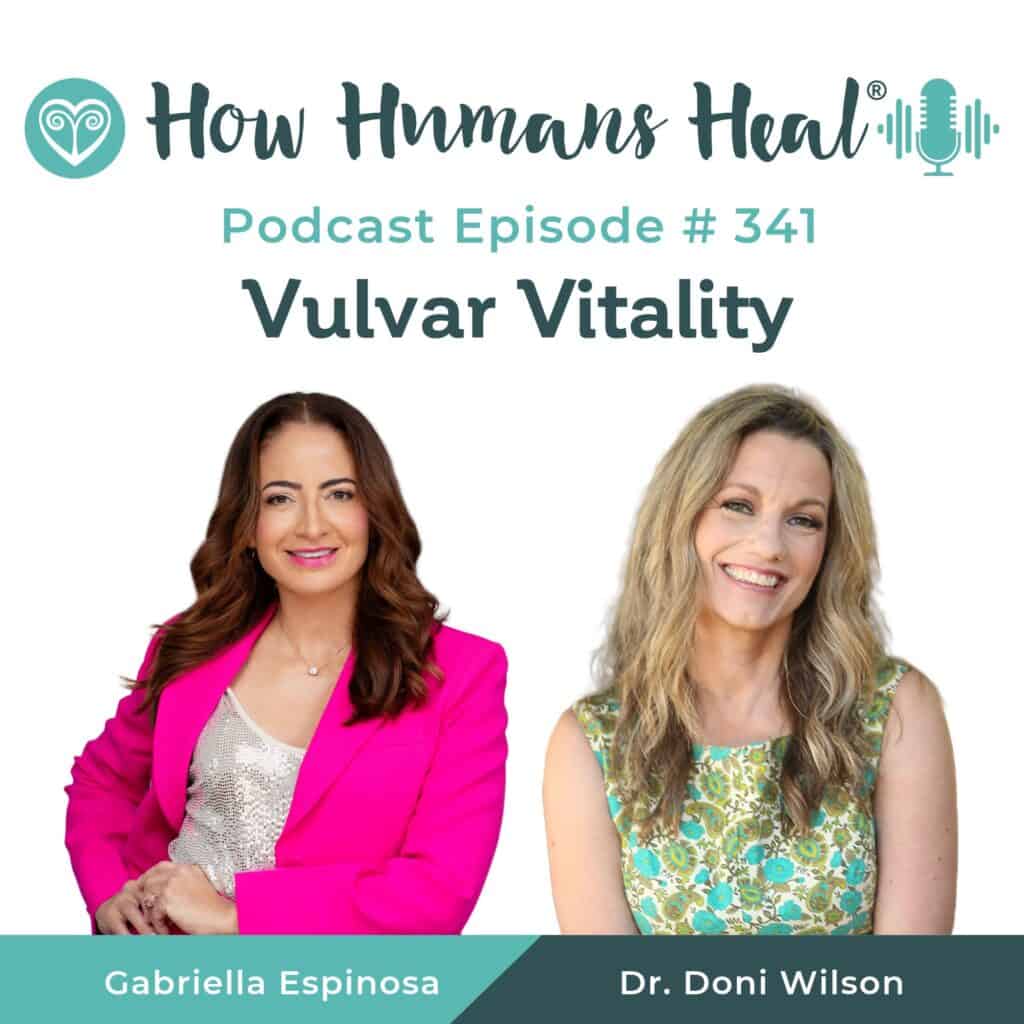
In this episode of How Humans Heal, Dr. Doni talks with Gabriella Espinosa, a certified women’s health and sexual wellness educator and pleasure advocate, about this topic. She hosts the podcast Pleasure in the Pause.
Gabriella’s Story
Gabriella knew so much about periods, pregnancy and parenting, but when perimenopause arrived, she was left totally in the dark about her sexual health. No one had told her about vaginal dryness, frequent UTIs, loss of sensation or a total lack of desire.
She had no language for it and felt enormous shame. She was embarrassed to talk with her partner, her doctor and even her friends, so in her mid-40s, she stayed silent.
One day she decided she couldn’t stay silent anymore. She learned everything she could and started her podcast to unsilence this part of our health. Her message: knowledge is power, there are solutions, and we can find our way back to our pleasure.
Why Women Feel Shame
Opening the conversation about vaginal health and vulvar vitality is essential for women health.
Dr. Doni shares: For over 26 years, I’ve been helping women with abnormal Pap smears and high-risk HPV to prevent cervical cancer. It’s time we break the silence and help women understand their bodies and what they need. Just because prior generations didn’t talk about it doesn’t mean we have to carry that forward.
Gabriella pointed out that when she asks women what they call their intimate anatomy, she hears things like “down there.” Words matter. Without language, we can’t have a relationship with that part of ourselves.
“Vagina” gets all the press, but the vulva includes the clitoris, with 10,000 nerve endings made for pleasure, the inner and outer labia, the vestibule, the perineum and the anus. On top of that, we’ve been told all our lives: don’t talk about your vulva, don’t touch, don’t look, don’t give yourself pleasure. As Gabriella said, where there is silence, shame fills that space.
With the right words, you can tell your doctor exactly where you feel pain. Otherwise, this part of you can feel separate from your body. As a naturopathic doctor and midwife (Dr. Doni speaking), I offer women a mirror during Pap smears so they can see their vulva and their cervix and connect with this part of themselves.
Reconnecting With Your Body and Your Vulva
Gabriella starts with language. From her yoga background, she shares the Sanskrit word “yoni”, meaning the sacred space of life, creativity and power. That shifts women’s mindset toward reverence and respect.
So much disconnects us: uncomfortable procedures, sexual transgressions, birth trauma, and the dryness and painful intercourse of menopause. We tend to override what we’re experiencing and hope it goes away.
We can hold trauma, grief, anger and resentment in the pelvic area, and then end up avoiding intimacy and pleasure. Gabriella sees this come up as thoughts and as sensations like contraction, tension, sadness or tenderness.
Gabriella is trauma-informed and refers women with unhealed trauma to a specialist. When helping women, she uses journaling, and a somatic practice called the Nonlinear Movement Method, which helps women track sensations, release limiting beliefs and realize, “I’m not broken. There’s a pathway to healing.”
The Three Cs: Comfort, Connection and Communication
Many women don’t notice anything is wrong until dryness is severe. Gabriella teaches the three Cs. We’ve been conditioned to prioritize other people’s comfort and bypass our own, in the bedroom, the doctor’s office and at work. We say yes when something inside says no.
Gabrielle teaches women to put comfort first. Connect with your body and track sensations like tingling, piercing or burning, because they are messages.
After an in-office procedure to remove uterine polyps, Gabriella felt burning and discomfort for days and just put up with it. Finally, she looked with a mirror, saw her vulva was red and raw, and sought medical attention. Cold compresses and Epsom salts brought initial relief.
Then communicate. Describe where you feel it using a clock, at 12, 3, 6 or 9 o’clock, and name the sensation. Tell your partner, too, if intercourse is painful.
Recurrent Vaginal Infections
Often the first sign of menopause is recurrent yeast infections, BV, discharge or bladder infections. You get antibiotics or antifungals, but no one asks why you became susceptible. In my practice, Dr. Doni shares, I help women break that cycle.
Around menopause, vaginal estrogen levels drop and that causes women to be more susceptible to infections, including HPV. Gabriella added that stress or sweaty gym clothes can contribute. It doesn’t mean you’re dirty or doing anything wrong.
The Pillars of Vulva Vitality
Gabriella uses a garden metaphor from urologist Dr. Maria Uloko:
- Knowledge: Know what your garden needs.
- Nutrients: Vaginal estrogen is one of the safest, most effective options, and the FDA has removed the black box warning.
- Roots: A pelvic floor therapist can tell you whether to strengthen or relax your muscles to address leaking or urgency.
- Hydration: Use hyaluronic acid vaginally, which is a moisturizer on non-estrogen days and keep lube on your nightstand. Choose clean products, like Good Clean Love lubricant.
- Cellular renewal: Red light therapy with a pelvic-specific wand, such as Fringe, increases blood flow.
- Vibration: Ten to 20 minutes of external vibration supports blood flow, sensation and lubrication.
You can find products for vaginal hydration here:
Dr. Doni shares why she loves all these tips and how she recommends them in her practice and Say Goodbye to HPV program.
Expanding Pleasure in Midlife
Gabriella also suggests air squats and hip circles to keep blood flowing to the pelvis.
Menopause isn’t the end of pleasure. We can widen the lens to the five senses, self-massage, or sunshine on our skin. Ask yourself: what does pleasure mean to me in this season of life?
If you want to learn more you can find Gabriella on Instagram @gabriellaespinosa and her podcast Pleasure in the Pause. You can also get her FREE Pleasure Upgrade Bundle here. As she says, your pleasure has no expiration date.
A Note from Dr. Doni
The topic of vaginal health, intimacy, vulvar vitality and pleasure through perimenopause and after menopause, as well as after dealing with HPV, is near and dear to my heart as a women’s health expert.
I completely agree with Gabriella about how important it is to break the silence and shame, learn the language for our bodies, and support vulva vitality with knowledge, vaginal estrogen, pelvic floor therapy, hydration, and red light therapy.
I specialize in helping women with high-risk HPV and abnormal Pap smears, which about 80% of us will test positive for by age 50. You can learn more about my approach at doctordoni.com/hpv.
In my Say Goodbye to HPV program, I consider it essential to help women reconnect with this part of their bodies called vulva, break the cycle of recurrent vaginal and bladder infections, and test their estrogen levels so they can start vaginal estrogen when it’s needed.
It is truly amazing what is possible when we give our bodies the chance to do what they are meant to do. It can feel scary at first, but when you are faced with more medications or a surgery, that is sometimes what opens your eyes to what else is possible.
Many women experience trauma – vaginal and/or pelvic trauma -from the symptoms and medical procedures they endure from various women’s health related health issues. I have been researching the impact of trauma and how to help women heal throughout my career.
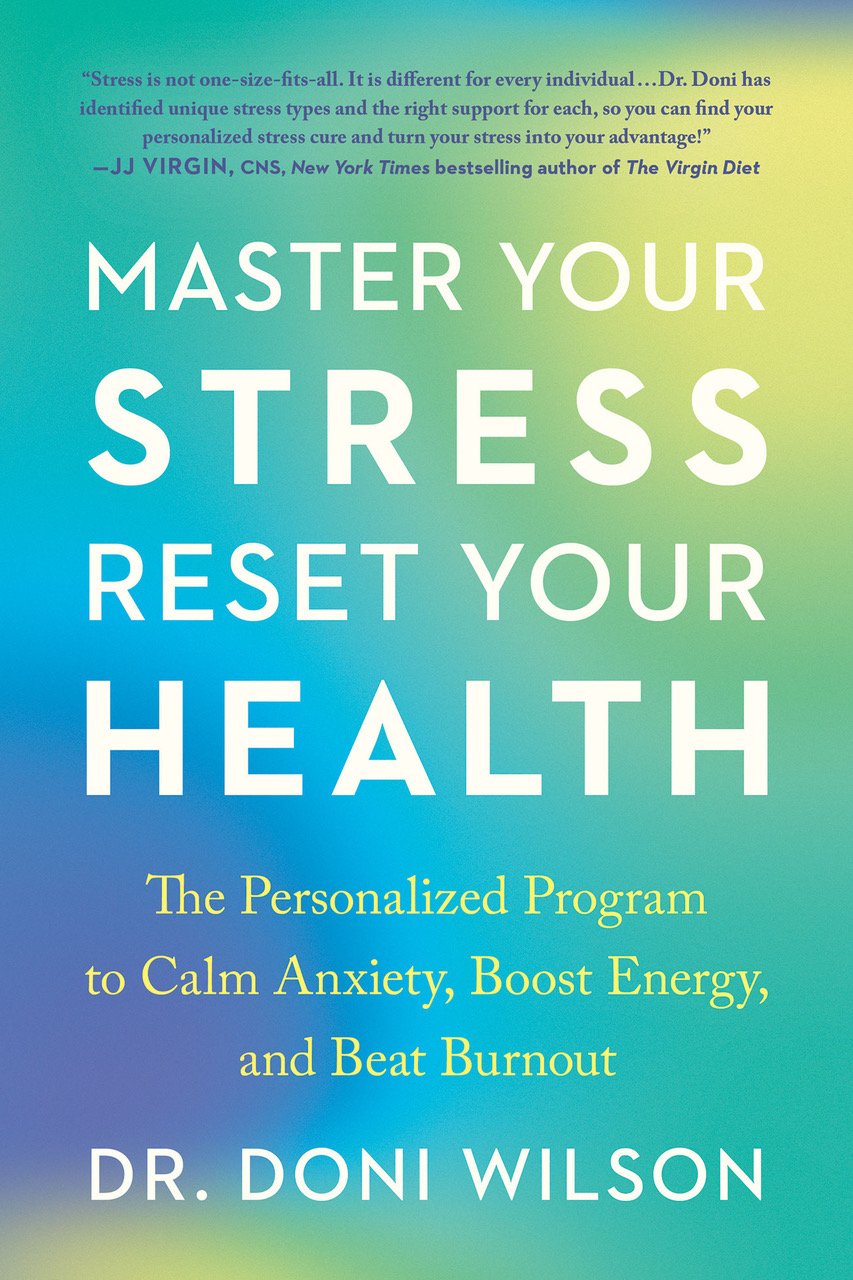
That is exactly what inspired my book: Master Your Stress Reset Your Health.
In the book, I explain how stress, trauma, toxins, and a lack of recovery, can cause us to become stuck in “stress mode” and turn on our genetic susceptibilities. I describe my research and identification of the 5 Stress Types®, which exemplify the most common responses to stress, and the Stress Recovery Protocol I developed that is unique to each Stress Type.
You can find out your Stress Type by taking the Stress Type® Quiz. It will help you to understand how the stress you’ve been exposed to is impacting your healthy today, and how to use the Stress Recovery Protocol and C.A.R.E. Method to support your body to heal using diet changes, and natural approaches including time in nature. In the prior episode, I talk about the growing research on the use of plant medicine to help women heal as well.
No matter what health issue you are dealing with – whether menstrual cycle issues, painful periods, PMOS, endometriosis, perimenopause, fertility issues, gut-health issues, fatigue, anxiety, depression, autoimmunity, migraines, and/or HPV-related abnormal cells, this approach can help you to improve your day-to-day health and to reverse conditions that others may consider to be irreversible.
I offer support with menopause hormone therapy and vaginal estrogen in my practice and HPV Program. If you would like to learn more how I guide patients from around the world one-on-one, please don’t hesitate to reach out to my office. Click here to set up a call with my team.
Thank you, everyone, for listening in to How Humans Heal® and learning all about how to care for your vaginal and vulva health, reconnect with your body, and enjoy pleasure through perimenopause and after menopause. If you are new here, I welcome you to subscribe so you don’t miss the next episode.
I’m so glad to have you as part of this healing community.
Dr. Doni

Social:
- Facebook: https://facebook.com/drdoniwilson
- Instagram: https://instagram.com/drdoniwilson
- Threads: https://threads.net/@drdoniwilson
- YouTube: https://youtube.com/DoniWilsonND
Subscribe:
- Weekly Wellness Wisdom (Newsletter): https://doctordoni.com/www
- How Humans Heal (Podcast): https://doctordoni.com/podcast
More Resources from Dr. Doni:
- Stress Type Quiz: Assess your Adrenal Function
https://doctordoni.com/quiz - Dr. Doni’s Book: Master Your Stress, Reset Your Health
https://doctordoni.com/book - Dr. Doni’s Facebook Group: Stress Warrior Stress Resiliency
https://facebook.com/groups/stresswarrior - HPV Recovery Guide (FREE)
https://doctordoni.com/ddpp/hpv-guide/ - FREE Masterclasses with Dr. Doni
https://doctordoni.com/masterclasses - FREE Guides from Dr. Doni
https://doctordoni.com/guides
Personalized Solutions:
- 14-Day Detox Program: You can start this transformation program anytime
https://doctordoni.com/detox-program - Say Goodbye to HPV (12-week Program): Begin the journey to freedom from HPV today!
https://doctordoni.com/say-goodbye-to-hpv - If you’d like to meet with Dr. Doni one-on-one for your health, request a Health Breakthrough Session: https://doctordoni.com/breakthrough
Disclaimer: This specific article and all other Content, Products, and Services of this Website are NOT intended as, and must not be understood or construed as, medical care or advice, naturopathic medical care or advice, the practice of medicine, or the practice of counseling care, nor can it be understood or construed as providing any form of medical diagnosis, treatment, natural HPV cure, or prevention of any disease.


Sleep Better, Stress Less, and Protect Your Bones – Dr. Doni on The Happy Bones Happy Life Podcast
Dr. Doni was interviewed by Margie Bissinger on the Happy Bones, Happy Life Podcast to talk about how stress, cortisol and poor sleep affect bone health, and what women can do to sleep better, stress less and protect their bones during and after menopause.
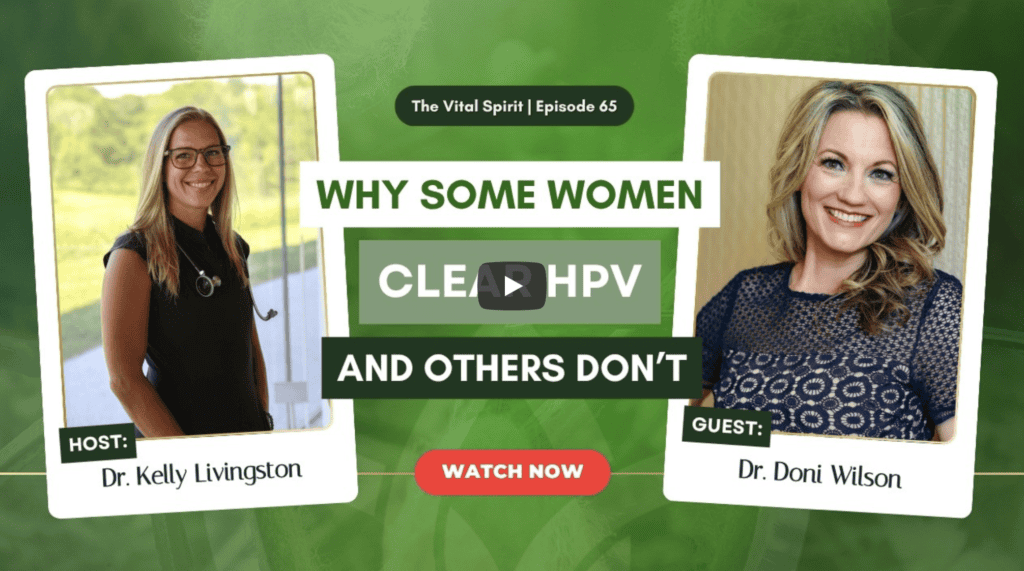
The Truth About HPV: Why Some Women Clear It and Others Don’t – Dr. Doni on The Vital Spirit Podcast
Dr. Doni was interviewed by Dr. Kelly Livingston on The Vital Spirit Podcast to talk about how we can clear HPV by addressing the root causes that made us susceptible to the virus in the first place.
How to Clear High-Risk HPV Naturally and Reduce Cervical Cancer Risk – Dr. Doni on the Reinvent Healthcare Podcast
Dr. Doni was interviewed by Dr. Ritamarie Loscalzo on the Reinvent Healthcare Podcast to talk about what actually drives HPV persistence, why most women are told “there’s nothing you can do,” and how a terrain-based approach helps the body clear high-risk HPV and stay negative long term.
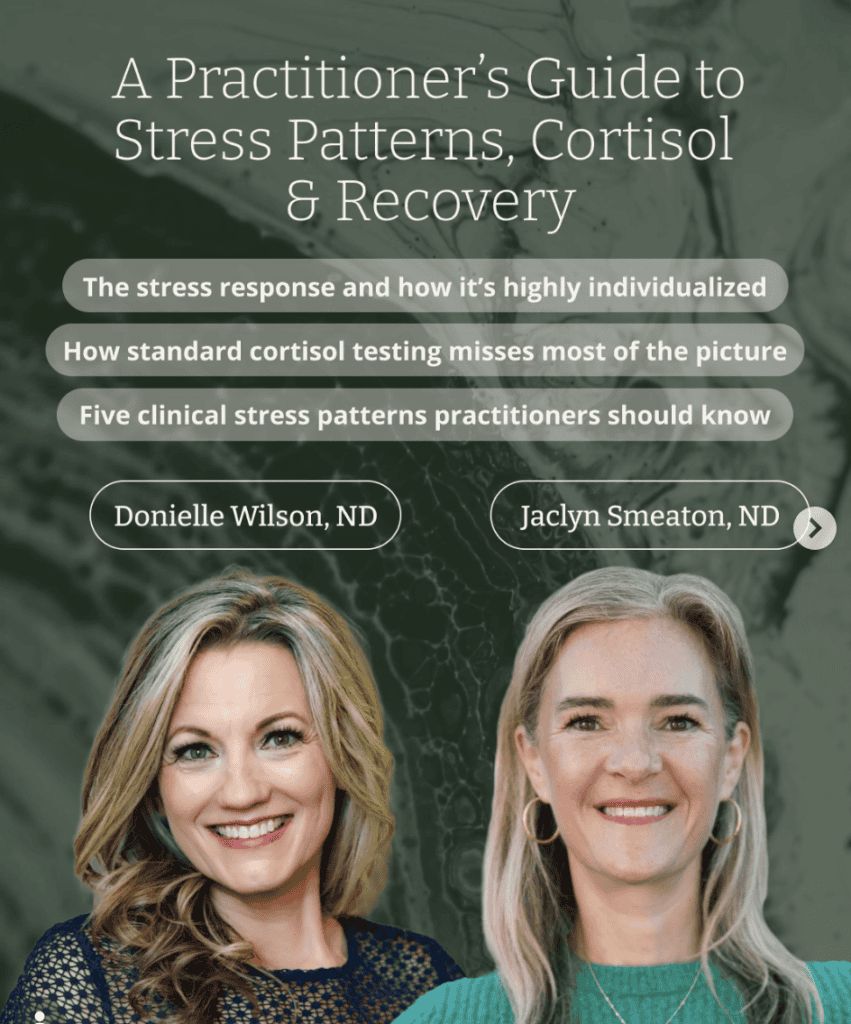
A Practitioner’s Guide to Stress Patterns, Cortisol & Recovery – Dr. Doni on The DUTCH Podcast
Dr. Doni was interviewed by Dr. Jaclyn Smeaton on The DUTCH Podcast to discuss Dr. Doni’s clinical philosophy, research findings, and personal journey around understanding and treating stress.