
Why Fiber Matters More Than We Think
Fiber has an image problem. People think of it as bland and boring, something your grandmother stirred into a drink for regularity, and nothing more. But the numbers tell a different story: 96% of the UK population and 95% of the U.S. population are not getting enough fiber.
Closing this gap matters enormously, because fiber does far more than support bowel movements. Since roughly 70% of our immune system lives in the gut, fiber supports immunity, mental health, hormones, and longevity, touching nearly every aspect of our health.
That’s why I was excited to sit down with Farzanah Nasser, a Registered Nutritionist and Certified Functional Medicine practitioner who has specialized in gut and immune health for over ten years. She is the author of the book “The Everyday High-Fibre Plan: 130 delicious recipes to help you feel younger and live longer.” It’s packed with delicious, gluten-free recipes, and I could not wait to talk with her about why fiber deserves so much more attention than it gets.
Diversity of Fiber, Not Quantity
A common misconception is fixating on one type of fiber. Fiber is found in all plants, fruits, vegetables, nuts, seeds, herbs, legumes, grains, tea, and spices, and each type feeds different microbes.
That’s why we aim for thirty different plant points a week alongside thirty grams (30g) of fiber a day. Diversity can even come from within the same food family: a green, yellow, and striped zucchini each count as separate plant points, just as shallots, red onions, and yellow onions do.
This is especially helpful for anyone with a sensitive gut who tolerates certain foods better than others.
Increasing Fiber Gradually
Jumping straight to thirty grams daily can backfire, causing bloating and discomfort that puts people off fiber altogether. Farzanah shared her own experience in her twenties, when a sudden diet full of beans left her uncomfortable and housebound for three days.
Her advice is to add one to three grams of fiber every two to three days. She uses porridge as an example: A plain bowl has about four grams (4g) of fiber, but layering in ground flaxseed, then blueberries, then hemp seeds or cinnamon over several days brings a single breakfast close to half the daily target, while adding phytoestrogens, antioxidants, and other plant benefits.
A Delicious Masterpiece
What struck me most is how Farzanah turns fiber-building into something joyful rather than clinical. By layering colorful, diverse plants into a meal, you end up with a beautiful dish you actually want to eat, not a boring obligation.
This includes indulgences like chocolate: Dark chocolate at 70% cocoa or higher contains fiber and polyphenols, and research comparing 70% and 85% chocolate found the higher percentage produced beneficial gut microbiome changes and reduced negative emotions over two weeks.
A well-stocked fridge and pantry can make fiber effortless. Tinned beans, precooked beetroot, jarred artichokes, olives, sun-dried tomatoes, and charred peppers can turn a plain salad from three or four grams of fiber into something much higher.
Precooked rice sachets are another shortcut, and cooking then cooling starchy foods like rice, potatoes, quinoa, or bread creates resistant starch, which behaves like fiber and feeds gut microbes even after reheating or toasting.
Feed, But Don’t Overfeed
Everything we eat feeds our gut bacteria, but overloading them with too much fiber too fast causes bloating and gas. The goal is gradual, varied feeding rather than eating the same fiber source repeatedly.
Studies show that consistently eating just one extra piece of fruit or vegetable, like an apple or pear, measurably increased happiness and well-being, with each additional piece adding further benefit.
Consistency matters more than quantity. Cooking helps too: Simmering an apple for 8-10 minutes releases more of the fiber called pectin, making it easier to digest and better food for gut microbes.
When to Introduce Fermented Foods
Farzanah includes a fermented food at each meal: Yogurt or kefir at breakfast, kimchi or sauerkraut at lunch, apple cider vinegar at dinner. Fermented foods like kimchi contain probiotics from fermentation, prebiotics from the cabbage itself, and postbiotics created as bacteria consume that fiber, together known as synbiotics.
These microbes stay in the gut 5-7 days, helping produce vitamins, support detoxification, and provide energy before moving on.
For anyone currently experiencing digestive symptoms like bloating, burping, gas, or irregular stools, it’s better to hold off on fermented foods and focus first on how we eat, not just what we eat. Many of us eat quickly, stressed, without properly chewing, which affects our digestion. Taking a breath, relaxing the nervous system, looking at food, and chewing each mouthful 20-25 times, rather than three or four, makes a real difference before introducing new foods.
The Book and Recipes
Farzanah’s book includes a 30-day plan, the science behind fiber and health, pantry essentials, and 130 simple, gluten-free recipes that can also be made dairy-free.
Favorites include an anti-inflammatory chocolate cake made from stewed apples, 85% dark chocolate, and orange rind, a three-ingredient pistachio ice cream with dates and coconut milk, and a seeded green cracker made from a bag of greens that provides fifteen grams of fiber, half the daily recommendation, in just half a serving.
Fiber, fermented foods, and mindful eating are lifelong tools, not short-term trends, for energy, focus, hormones, and longevity. Farzanah’s philosophy is simple: don’t focus on taking foods away, focus on crowding in more goodness, and the rest tends to fall away.
If you want to learn more about Farzanah you can find her on Instagram @farzanahnasser_nutrition. Her book (mentioned above) is “The Everyday High-Fibre Plan: 130 delicious recipes to help you feel younger and live longer”.
Subscribe to Farzanah’s monthly newsletter for seasonal recipes, evidence-led nutrition and hormone tips, gut and skin health support, and thoughtfully curated resources to support lasting vitality.
A Note from Dr. Doni
I, too, help a lot of people in my practice with gut health, and I completely agree with Farzanah about how important it is to include fiber in our diet and address the gut microbiome in order to restore healthy immune system function. Conditions such as allergies, autoimmunity, as well as infections, like HPV, all improve as the gut heals.
Optimizing your health is absolutely possible. There are more and more ways to support healing that don’t require expensive treatments and can help you avoid medical procedures.
For this, it is important to address the underlying causes of health issues by working with a practitioner who can help you look deeper to uncover the root causes of your health issue, and help you to prioritize what to address first, so that you are finally able to break the pattern.
And that’s exactly what I do in my one-on-one practice, and online programs, including my Leaky Gut Program, where I teach you how to heal your digestion in a safe and effective way. You can read about it and join in here.

In my book Master Your Stress Reset Your Health, I explain how stress, trauma, toxins, and a lack of recovery, can keep us stuck in “stress mode” and lead to various health issues, including leaky gut, food sensitivities, bacterial overgrowth, autoimmunity, and susceptibility to infections. I also teach you how my individualized approach to recovery makes all the difference.
Start by taking my Stress Type® Quiz to understand how stress is impacting you today, and then follow my Stress Recovery Protocol and C.A.R.E. Method to support your body and nervous system to heal using diet changes, and natural approaches including time in nature.
TAKE THE FREE STRESS QUIZ TO FIND OUT YOUR STRESS TYPE:
If you’re dealing with HPV and want to prevent cervical cancer, I welcome you to join me over on Instagram @drdoniwilson and on my website at clearhpvnow.com. You can download my free HPV Recovery Guide and watch videos of women who’ve implemented my HPV Protocol and found freedom from high-risk HPV. I want for you to feel hope that you can heal too.

If you’d like to get a better sense of my approach, I welcome you to join my next free How to Get Rid of HPV online workshop where I help you to create a plan to get HPV out of your life for good. From there, you might choose to join the Heal HPV Kickstart Program, for the initial steps of my protocol, including diet changes and supplements, over the next 30 days.
Or you can begin with the comprehensive Say Goodbye to HPV Program, which includes everything you need to implement my full protocol and to address all eight susceptibilities to HPV, including helping you to resolve underlying emotional stress and trauma.

If you have any questions, please don’t hesitate to reach out to my office. My team and I would be happy to connect with you and help you. Click here to set up a call with my team.
Thank you, everyone, for listening in to How Humans Heal and learning all about how Farzanah is helping people eat in a way that keeps their gut and immune system healthy. If you haven’t already subscribed, I welcome you to subscribe so you don’t miss the next episode.
We look forward to connecting with you!

Social:
- Facebook: https://facebook.com/drdoniwilson
- Instagram: https://instagram.com/drdoniwilson
- Threads: https://threads.net/@drdoniwilson
- YouTube: https://youtube.com/DoniWilsonND
Subscribe:
- Weekly Wellness Wisdom (Newsletter): https://doctordoni.com/www
- How Humans Heal (Podcast): https://doctordoni.com/podcast
More Resources from Dr. Doni:
- Stress Type Quiz: Assess your Adrenal Function
https://doctordoni.com/quiz - Dr. Doni’s Book: Master Your Stress, Reset Your Health
https://doctordoni.com/book - Dr. Doni’s Facebook Group: Stress Warrior Stress Resiliency
https://facebook.com/groups/stresswarrior - HPV Recovery Guide (FREE)
https://doctordoni.com/ddpp/hpv-guide/ - FREE Masterclasses with Dr. Doni
https://doctordoni.com/masterclasses - FREE Guides from Dr. Doni
https://doctordoni.com/guides
Personalized Solutions:
- 14-Day Detox Program: You can start this transformation program anytime
https://doctordoni.com/detox-program - Say Goodbye to HPV (12-week Program): Begin the journey to freedom from HPV today!
https://doctordoni.com/say-goodbye-to-hpv - If you’d like to meet with Dr. Doni one-on-one for your health, request a Health Breakthrough Session: https://doctordoni.com/breakthrough
Disclaimer: This specific article and all other Content, Products, and Services of this Website are NOT intended as, and must not be understood or construed as, medical care or advice, naturopathic medical care or advice, the practice of medicine, or the practice of counseling care, nor can it be understood or construed as providing any form of medical diagnosis, treatment, natural HPV cure, or prevention of any disease.


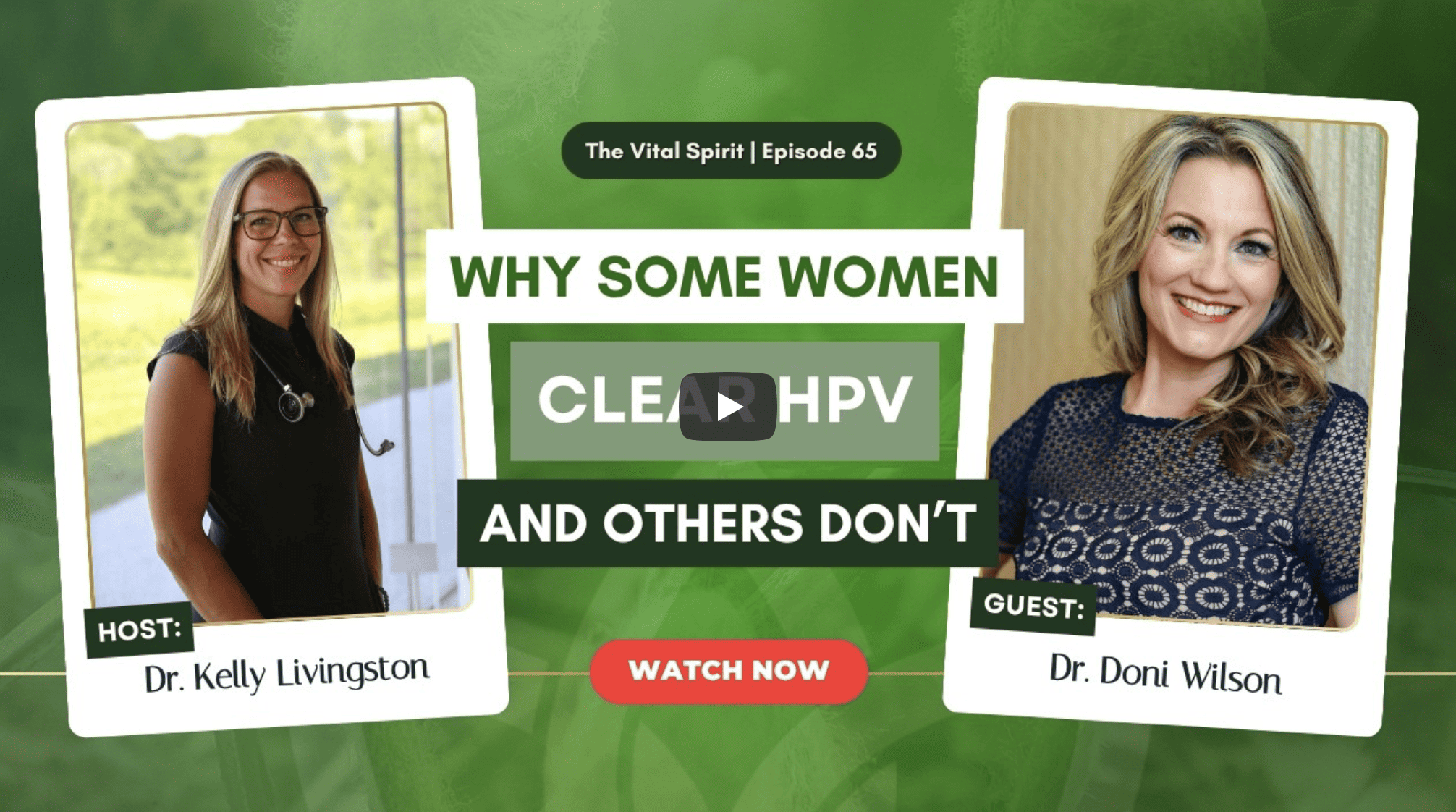
The Truth About HPV: Why Some Women Clear It and Others Don’t – Dr. Doni on The Vital Spirit Podcast
Dr. Doni was interviewed by Dr. Kelly Livingston on The Vital Spirit Podcast to talk about how we can clear HPV by addressing the root causes that made us susceptible to the virus in the first place.
How to Clear High-Risk HPV Naturally and Reduce Cervical Cancer Risk – Dr. Doni on the Reinvent Healthcare Podcast
Dr. Doni was interviewed by Dr. Ritamarie Loscalzo on the Reinvent Healthcare Podcast to talk about what actually drives HPV persistence, why most women are told “there’s nothing you can do,” and how a terrain-based approach helps the body clear high-risk HPV and stay negative long term.
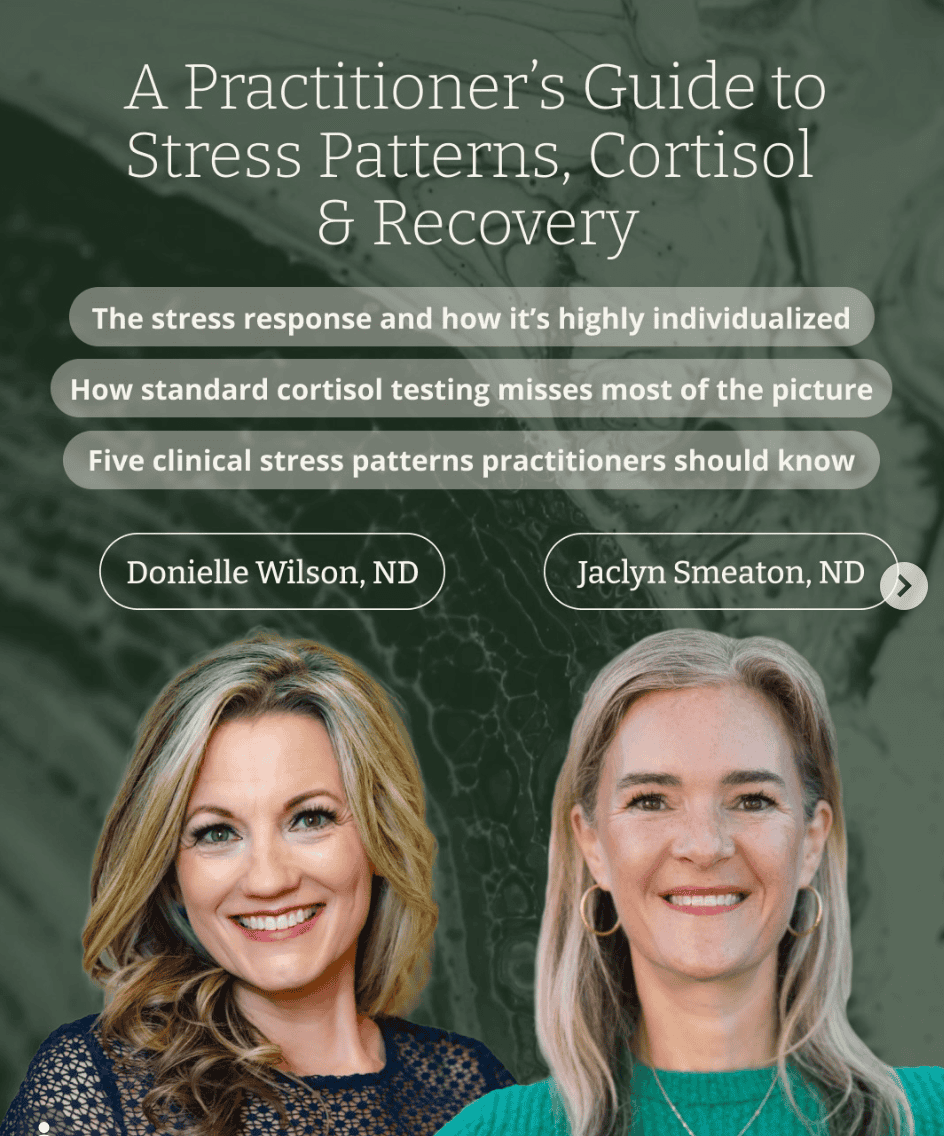
A Practitioner’s Guide to Stress Patterns, Cortisol & Recovery – Dr. Doni on The DUTCH Podcast
Dr. Doni was interviewed by Dr. Jaclyn Smeaton on The DUTCH Podcast to discuss Dr. Doni’s clinical philosophy, research findings, and personal journey around understanding and treating stress.
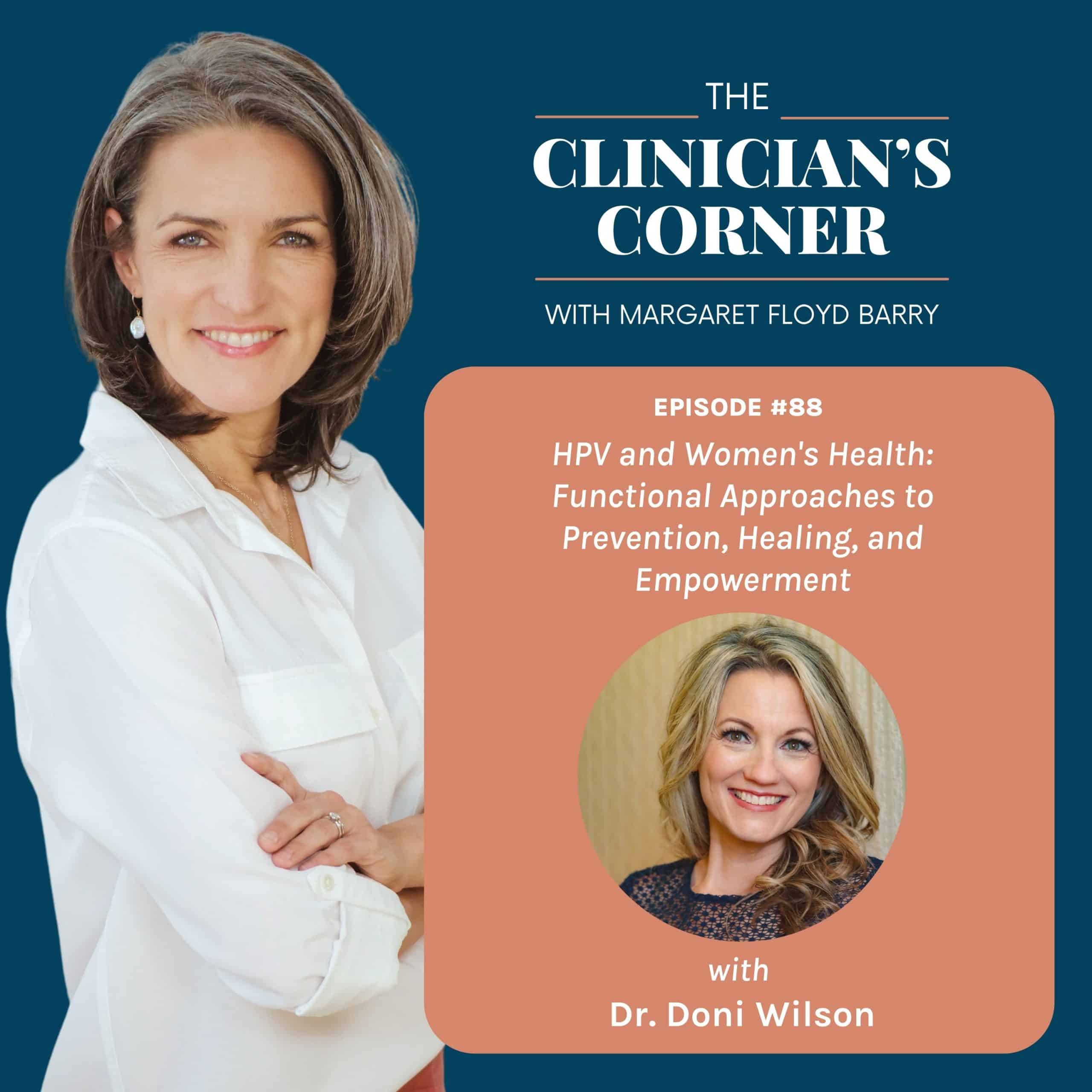
HPV and Women’s Health: Functional Approaches to Prevention, Healing, and Empowerment – Dr. Doni on “The Clinician’s Corner” Podcast
Dr. Doni was interviewed by Clinician Margaret Floyd Barry on “The Clinician’s Corner” Podcast to talk about how HPV isn’t just a women’s health issue, how stress and trauma can play a pivotal role in immune resilience, and the actionable strategies clinicians can implement to help their clients clear HPV naturally.