

Debra Atkinson has been helping women exercise based on their age and menopause status for a long time, and now it’s becoming way more popular. It’s at the forefront right now, with everybody talking about menopause, their estrogen levels, and hormone replacement therapy.
With Debra’s expertise, we can talk about how we should be exercising when we’re over fifty because exercise is different at that stage of life.
Understanding Why Exercise Needs to Change After Menopause
When asked if there’s a significant difference in how we should exercise before fifty versus after fifty, Debra explains that generally speaking, no, you shouldn’t exercise the same way, but your body will tell you. You could choose to keep doing what you’ve always done, and some of us are stubborn enough to try. But eventually we get tired, injured, or ill if we’re trying something that’s not working, or we become dissatisfied with the results.
What so many women and trainers are hearing is: what I used to do doesn’t work anymore. You could be doing your same workout, whether strength training or cardio, and it feels like your muscles aren’t responding.
The answer is you don’t have the same hormones that you did when it worked. If we collect the data and respond to it, we can make informed decisions about what isn’t working. From there, we can start making changes and win again. We can be as fit, and so many women honestly feel better now when they turn it around and start exercising right, compared to when they were twenty-five or thirty.
Many of us were probably over-exercising, doing way more cumulative cardio than we needed. If we’re honest, we were probably more tired than we admitted, perhaps relying on Diet Coke and sugar-free treats. We weren’t truly fit. We equated being thinner with being fit, and that’s just not true.
You should be the most energetic woman in the room if you’re exercising at your sweet spot. You should walk in with an air of energy about you. People’s heads might turn – maybe you’re not the most beautiful in the room, but you’re the most confident and energetic if you’re in your sweet spot.
That’s a great measure to know if you did too little or too much – it’s how you feel afterward. If your energy is good, you’re doing good for your body. But if you’re ending up feeling tired, exhausted, and perhaps in pain, those are signs you overdid it. If after exercise you could lay down and take a nap, we have a problem.
We need to be exercising what Debra calls the MVP – the minimum viable physical exercise – so you can do life really well. It’s not about gym selfies. It’s about doing the things you want to do with your kids, grandkids, travel, spouse, partner, volunteer work, or your purpose in life. We should have plenty of energy, and cognitive function should be sharper because we’re exercising in the right mode.
Starting Your Exercise Journey
When we start to exercise or think about starting, we often think we’ll have to go to the gym for hours, and then we give up. But it isn’t about doing the same exercise every day.
The first thing before worrying about what’s most beneficial is this: if you go from low or no movement to moderate movement more frequently, the threshold and benefits are tremendous. Just get started – let’s not get picky. What do you like? Start there.
If it’s walking daily because it’s accessible and you enjoy getting outdoors, there’s benefit to that. If you’d rather take dance lessons, do it that way. If you want to age optimally, at some point we’ll discuss protecting your muscle, bone, and brain. Dancing would help with brain health – there’s choreography, learning steps, and remembering. But there are other things we’ll want to do to maximize muscle and bone density. But we don’t need to do more before we start.
Sometimes we get ahead of ourselves in our head and then don’t do anything. It’s better to just take that first step. Debra has been teaching as an exercise expert for over thirty years and shares that the fitness industry has made it so difficult for people to exercise consistently.
What you’re hearing online is you should be lifting heavy, doing four or five days a week, jumping, and sometimes those workouts take ninety minutes a day. Most people don’t have the time, don’t have the energy, and aren’t that interested. We’ve made it so hard. We need to get back to starting with things we love. If you like to garden, let’s build on what would make it easier or add another row so you’re more active.
The Role of Nutrients and Hormones – Especially During Menopause
Dr. Doni shares that when patients first come in, they often have nutrient deficiencies. Besides potentially having low hormones in post menopause, they might also have iron deficiency or B vitamin deficiency. Very likely their cortisol’s off – too high or too low – and that impacts exercise ability and capacity. As I walk women through balancing hormones, optimizing nutrients, and optimizing adrenal function, suddenly they call saying they’re feeling interested in exercising. That tells me their body’s recovering.
Debra adds that in menopause we have fewer dopamine receptors, which means even those who previously enjoyed exercise may not be getting that feel-good sensation they used to. They’re going through the motions without that escalation of good feeling afterward.
It’s not your fault. We have to get more creative and combine movement with music, maybe going with a friend or in sunshine, to pull together things that inspire serotonin, dopamine, or oxytocin with exercise to help amplify that feeling again.
The Comprehensive Benefits of Exercise After Fifty
If we listed all the symptoms of menopause, exercise can reverse, prevent, or reduce those signs and symptoms.
One of the most common issues women face is weight gain from estrogen decline. Optimizing body composition with exercise will help. More muscle generally means less fat. Chasing fat loss won’t necessarily get the same result. Chasing muscle might get you both.
Better bone density means reduction of falls. When women say they need more bone density because their DEXA scan is low, let’s work on that, but also work on getting stronger and improving stability so you don’t fall. We need agility. We lose fast-twitch muscle fiber twice as quickly as slow-twitch if we don’t do anything about it because of age. Those are the things that make us able to take our foot from accelerator to brake quickly, grab a child from harm’s way, or catch ourselves on a curb or rug.
We need power. At eighty-five, power will be necessary to get out of the chair, potentially even to get off the toilet. Right now that might mean jumping or hopping over a puddle, but when we’re older, it means mobility around our house.
We worry about muscle, bone, and brain health. Muscle is directly correlated with dementia and Alzheimer’s risk. The more muscle you have, you’re about a third less likely to develop Alzheimer’s. That comes back to blood sugar. Women who hit menopause, generally in our early forties, have more blood sugar issues.
We see weight coming on, belly fat even without weight increase, all related to insulin resistance. When estrogen comes down, blood sugar control isn’t as good, so we have to watch carbs. But we often don’t get that memo until too late that wine, carbs, and sugar aren’t our best friend.
The more muscle we have, muscle acts like a blood sugar sponge. It pulls it out of the bloodstream and stores it for energy. You’ve got more muscle, you have a bigger bank to put blood sugar away. Otherwise it goes to your liver, which leads to fatty liver, or to your hips, thighs, and arms. There’s only so many options the body has with extra blood sugar.
If it’s not going into a cell, the liver decides what to do with it. You’d rather have it go into your muscles so the liver doesn’t have to make that decision.
Practical Exercise Programs and Recovery
Debra explains that the biggest anchor of all fitness programs is strength training. Debra’s programs are designed based on twice weekly workouts. Many women have been unsuccessful with working out consistently because other programs ask for three or four days a week or more.
With two days per week, we have flexibility – if you can’t get it in Monday, move it to Tuesday. When you do split routines with upper body one day, lower body another, you miss a day or two and you’re totally off. You can’t catch up like that. Remember you’re not behind. If you needed rest or were doing life, that’s why we’re working out in the first place. If you were ill, your body’s workout was getting better.
It’s easy to plan around life with just two workouts. People who do two sometimes later ask, should I do more? Sometimes it’s beneficial as we are postmenopausal – generally for most women somewhere over sixty, we need a little more volume. That might be another set for each muscle group, extending your workout a few minutes, or for some women adding a third day weekly.
Women in perimenopause are more of a roller coaster, going up and down, feeling good sometimes then not. Let’s just do the basics so we’re holding on to muscle that otherwise we could easily lose during perimenopause. Once hormones stabilize post-menopause, you can do more and tolerate it better.
A very recent study took two groups of older adults. One was sixty-five to seventy-five, the other was eighty-five plus. They had both do a ten-week strength training program. Both groups increased strength and lean mass, and the eighty-five plus group actually made more progress relatively. It’s very possible – there are no non-responders. Even if you’re older and haven’t been exercising, it’s not too late. Just start wherever age you are.
Dr. Doni shares that her mom is eighty-three and she’s been doing amazing with exercise. She goes to the gym, has a trainer, does strength training, and she never exercised earlier in life. Now she’s doing strength training at least two or three times a week.
Finding the Right Trainer
Not all trainers know how to work with someone over sixty. Trainers aren’t being taught about menopause fitness in a four-year degree. Coming from a university background, teaching for fifteen years in kinesiology, Debra knows what most trainers learn in a four-year degree. Never once is menopause mentioned. Never is hormone fitness mentioned. The only time it comes up is one semester for ten minutes on osteoporosis.
If seeking an in-person trainer, ask: How many women in menopause have you worked with? What would be different about the program for me in menopause versus what you’d do with a male? What would you do differently if I were post-menopause versus perimenopause? Look for whether they flinch or have good answers. If somebody admits they don’t know but will find the answer, that’s better than bluffing.
Now there are more women in menopause, so hopefully this will become minimum education for trainers. Debra is working to change this trend by educating trainers herself.
Debra’s training programs are offered online. The Flipping Fifty Menopause Fitness Specialist program has trained trainers in this framework since 2018. One person with one program won’t resonate with everyone, and we need people on the floor in gyms. Debra gets asked every day if she’s trained a trainer in Kansas City or Bloomington, Indiana. Now is the time for trainers and health coaches looking for reputable training to get certified.
Debra is helping to break open the mystery of menopause. It’s all over the place and won’t go away. We’re seeing the tip of the iceberg. The boomers laid the foundation saying we’re not going to take this lying down. This isn’t okay when doctors say welcome to menopause. Women want better answers and created the demand. Now this next generation of women are taking it further.
Real Success Stories and Practical Approaches
Some of the best stories are women in their late sixties or seventies when they came into Debra’s programs.
Jennifer was able to achieve significant weight loss. It’s life-changing to understand this is no longer a calories in, calories out equation. We’re needing to feed our hormones differently to get desired results. Jennifer lost one hundred pounds and hit that number during the pandemic.
Another woman reversed her bone loss at home during the pandemic. Do you need to go to the gym? For many intimidated by it, the answer is no. The pandemic proved we need an at-home option. Do it at home in your pajamas, then move on with your day. Check that box called consistency that trumps intensity every time.
Shorter spurts work really well. Instead of forty-five minutes, what if you do ten or fifteen minutes? That’s more likely to fit in your schedule and feels better. Debra has online workout programs that are twelve to twenty minutes long over 6 to 12 weeks.
It’s almost inevitable women in midlife will get busy with life. If not hormones, it’s caregiving, a job, a move, a relationship change. What we remember is although exercise is a good stressor, it’s something we can adjust. We may not be able to turn the dial of life stress – it just happens. When you’ve got a lot going on, you don’t need more. It comes back to feeling good from it. If we don’t feel good, we’re not going to get more fit.
We’re so used to pushing ourselves harder, and that eventually backfires and we have to find a way to start again. It’s way better to start in small steps and be successful. We’re good at doing all the things, but the one fitness component most women skip is recovering.
Recovery between intense exercise is important. That wasn’t taught well. We’ve thought “the more I exercise, the fitter I’ll get.” We need recovery. When you work hard enough, you need to recover hard enough. Recovery days might be walks or ballroom dancing. Find that balance of a hard day, a moderate, an easy day, then a hard day again.
Weight Loss Medications and Muscle Mass
So many people are going toward weight loss medications. Debra shares that looking at it as a fitness professional – it’s got its place. There are people who’ve tried everything and aren’t getting results from lifestyle changes they’ve honestly made, and then it can be helpful in tandem. When combining GLP1 agonists with exercise, it’s important to prevent the loss of muscle.
There is a small percentage of people who are using GLP1 agonists almost anorexically – thin people trying to get thinner without exercising. When somebody needs to lose significant weight in order to get moving and take pressure off joints, that’s a good reason to consider the use of weight loss meds. But the goal should always be getting lifestyle education on eating protein and resistance training so we’re not losing muscle mass.
Start from day one tracking body composition, not just weight, to know if you’re losing the right weight and maintaining lean muscle mass. That is your metabolism in the future.
Exercise for Bone Density
Often women are shocked when diagnosed with osteopenia or osteoporosis. Sometimes women are insulted, like wait, I’ve been active, I don’t deserve this. Almost everybody has fear and wonders what to do. Women can bcome afraid to move.
Debra remembers that back in 1995, osteopenia wasn’t a household word. Everyone thought, once diagnosed, that you needed to stop moving in order to prevent a fracture. Some of that way of thinking still lingers.
We now know since about 2015 that we can reverse bone loss as long as we’re efforting enough. Going from not lifting weights to lifting light weights, and gradually then heavier weights, there is a safe and effective way to do strength training.
You may find a place where you can’t go anymore because maybe arthritis is getting in the way. There are four different ways to work on bone density. We need to look at diet and make sure we’re absorbing what we’re eating. Walking and weight-bearing is helpful. Moving around every day counters gravity. Sitting isn’t as beneficial as standing. Walking is more beneficial than standing. Hopping if you can. The more you move throughout the day, the more you’re doing your bones good.
Dr. Loren Fishman’s 2016 study proved twelve minutes of specific yoga poses a day increased bone density by one percent every year for seven years. Not just one percent in the first year, but one percent every year. For those thinking I can’t do impact and can’t do heavy – can you do yoga? It’s stepping into poses and holding them, just a different way of resisting gravity.
If you can do jump training, there’s a continuum. For those who can’t jump – can you stomp your feet on stairs? That helps. There are things along the continuum where you can get more bone density than simply walking. Then it’s lifting, and the answer is as heavy as you safely can.
Patients’ bone density not only stabilizes but improves over the years. Dr. Doni shares that she’s worked with patients over twenty years and seen bone density improve through exercise and diet. Forget the idea you can’t do anything or can only treat osteoporosis with medications. You can absolutely help prevent and recover bone density.
Pelvic Floor Health and Creating a Legacy of Movement
Another perimenopausal symptom patients deal with is bladder and vaginal issues, as well as pelvic floor issues. Low estrogen in the vagina is known to increase the risk of infections and is so important to address.
Dr. Doni asks Debra: Does that come into play when teaching women how to exercise?
Debra realized eight years ago that after thirty-three years into a career, having taught at the university, never once was there instruction to ask a woman about her pelvic floor. Never. It’s not standard until now. It really needs to be. It’s now on intake forms. Women are asked questions on pelvic health care.
We start breath – one of the best ways to improve pelvic floor health is breathing properly while exercising. If you go to Pilates or yoga, you’ve got a natural introduction to good breathing.
We also urge women to see a pelvic floor physical therapist to see how they can help. Women are often surprised when this is suggested because no one else has mentioned it. We suggest if you haven’t had a conversation with a pelvic floor specialist, it’s important to do so because pelvic floor issues are common, but not normal. And there is a lot that can be done to help.
Debra encourages women to open the conversation – “you can talk about your pelvic floor, and we can make sure exercise helps with pelvic floor strength instead of ignoring it”. It’s not something you’ve probably talking about with your partner necessarily or bringing up with your best friend over coffee.
Dr. Doni shares that she helps so many women with bladder and vaginal infections because they are so common in postmenopause. Women may feel hesitant to bring it up or know who to ask. And there are simple natural approaches that can make a huge difference.
When women introduce exercise into their routine, it helps in so many ways, including helping the immune system protect against things like high-risk HPV and abnormal cells or cancer caused by this virus. I always emphasize exercise and movement as part of my HPV protocol because it helps women protect themselves.
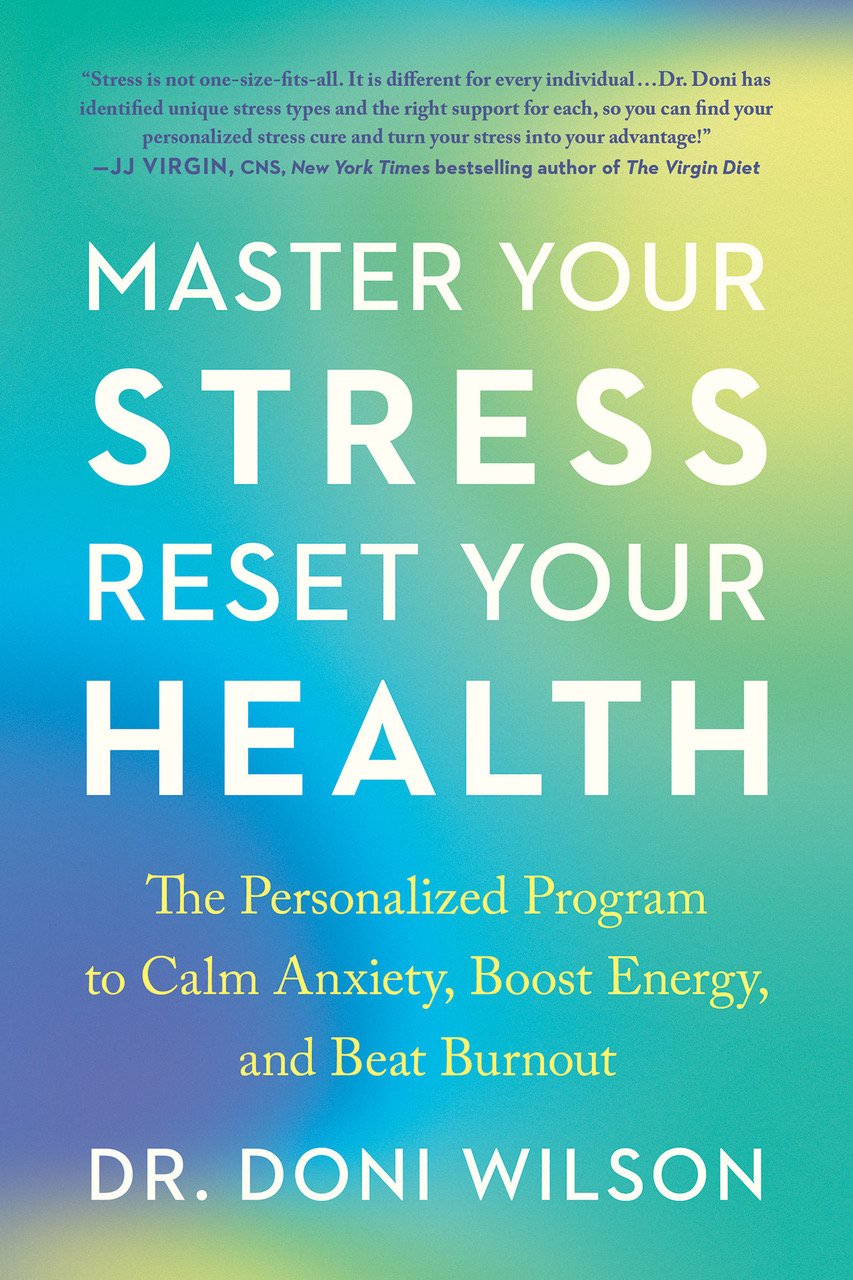
That’s why I’m glad to be sharing this wisdom today. I use the acronym C.A.R.E. in my book Master Your Stress Reset Your Health – C for clean eating, A for adequate sleep, R for recovery activities, and E for exercise. Women learning from me know that C.A.R.E. is essential. This interview is an amazing resource to help them with exercise.
The biggest thing to remember is if not for you, do it for those three generations you influence. Each of us is leaving a legacy. Look at whether you like the legacy you’re leaving. Who do you influence and what kind of legacy do you want to leave? The people around us observe us and what we’re doing.
For them to know that’s a normal part of our activities, our routine – it should be like sleeping, eating, movement, and recovery. That’s part of being human. The more we demonstrate from home – here’s how we do physical activity, movement, taking care of our body – that’s going to be more long-lasting, the legacy of how to take care of ourselves throughout our lives.
Conclusion and Next Steps
For those ready to take action, start where you are with what you love – whether walking daily, gardening, dancing, or any activity that gets you moving. Don’t get picky – just start. Do a woman a favor – don’t take her to coffee, take her for a walk or to the gym!
If you’re looking for structured support, strength training programs designed for women in menopause are available through Flipping Fifty, based on the MVP approach – typically twice weekly to start, making it easy to plan around life. There are also shorter programs for busy times. Everything can be done at home because consistency trumps intensity every time.
For trainers and health coaches wanting to better serve women in menopause, the Flipping Fifty Menopause Fitness Specialist certification has been training professionals since 2018. When seeking a trainer, ask about their experience with women in menopause and what they’d do differently for you.
Remember, it’s not too late to start at any age. Studies show even the eighty-five plus age group makes significant progress with strength training. There are no non-responders. Just start wherever age you are.
If you want to learn more about how Debra you can find her on Instagram @flipping50 or Facebook @Flipping 50 Insider Community. You can also join her 10-day Hot, Not Bothered! Challenge here. – it’s the perfect way to get started!
A Note from Dr. Doni
Infections, imbalances, and symptoms are simply messages or signals showing us that stress (which we can recover from with exercise!) is affecting us on a physical level. It’s when we can heal from the stress and trauma that these physical symptoms and health issues disappear. That is also the case with high-risk HPV and abnormal cells on the cervix, as well as many other health issues such as pain and migraines.
In my book – Master Your Stress Reset Your Health – I help you to identify how stress and trauma have impacted your nervous system and stress hormones, and then how to eliminate the impact of stress so that you can heal.
In the book, you’ll find out your “Stress Type,” which is how your body was uniquely affected by stress, and then how to heal based on your Stress Type using the proprietary C.A.R.E. method. C for clean eating, A for adequate sleep, R for recovery activities, and E for exercise. The tools Jane shared in this episode are covered under the R of C.A.R.E., including the research and how to choose them based on your Stress Type.
I find that stress recovery is essential for women who are healing from high risk HPV, so it is included in the Say Goodbye to HPV online program, and in one-on-one work with patients, which is available to women around the world.

As a women’s health expert, I also help women to address menopausal health concerns including with osteoporosis, hormone replacement therapy, including vaginal estrogen, as well as optimizing weight, gut health, and preventing heart disease and dementia.
If you would like to learn more and understand the next steps on your healing journey, you can comment below or you can reach out to my office through office@doctordoni.com and we can set up a time to meet, or click this link, so I can get to know you, and we can think through the different options that make sense for you. It’s all about understanding where you’re starting from, and the next best step for your case. I will then guide you step by step in the direction of healing.
Please know that if you’re struggling and hoping there’s another option for healing, there is! I’m happy to help you create a plan to transform your health and your future.
Thanks again for joining me in this conversation with Debra here at How Humans Heal. If you haven’t already, I welcome you to subscribe to my newsletter, podcast and join me for the next episode.
I hope this gives you new hope and inspiration for your ability to heal. Don’t give up – believe me, I’ve been through pain and suffering. I understand. You’re not alone. Healing is possible.

Social:
- Facebook: https://facebook.com/drdoniwilson
- Instagram: https://instagram.com/drdoniwilson
- Threads: https://threads.net/@drdoniwilson
- YouTube: https://youtube.com/DoniWilsonND
Subscribe:
- Weekly Wellness Wisdom (Newsletter): https://doctordoni.com/www
- How Humans Heal (Podcast): https://doctordoni.com/podcast
More Resources from Dr. Doni:
- Stress Type Quiz: Assess your Adrenal Function
https://doctordoni.com/quiz - Dr. Doni’s Book: Master Your Stress, Reset Your Health
https://doctordoni.com/book - Dr. Doni’s Facebook Group: Stress Warrior Stress Resiliency
https://facebook.com/groups/stresswarrior - HPV Recovery Guide (FREE)
https://doctordoni.com/ddpp/hpv-guide/ - FREE Masterclasses with Dr. Doni
https://doctordoni.com/masterclasses - FREE Guides from Dr. Doni
https://doctordoni.com/guides
Personalized Solutions:
- 14-Day Detox Program: You can start this transformation program anytime
https://doctordoni.com/detox-program - Say Goodbye to HPV (12-week Program): Begin the journey to freedom from HPV today!
https://doctordoni.com/say-goodbye-to-hpv - If you’d like to meet with Dr. Doni one-on-one for your health, request a Health Breakthrough Session: https://doctordoni.com/breakthrough
Disclaimer: This specific article and all other Content, Products, and Services of this Website are NOT intended as, and must not be understood or construed as, medical care or advice, naturopathic medical care or advice, the practice of medicine, or the practice of counseling care, nor can it be understood or construed as providing any form of medical diagnosis, treatment, natural HPV cure, or prevention of any disease.

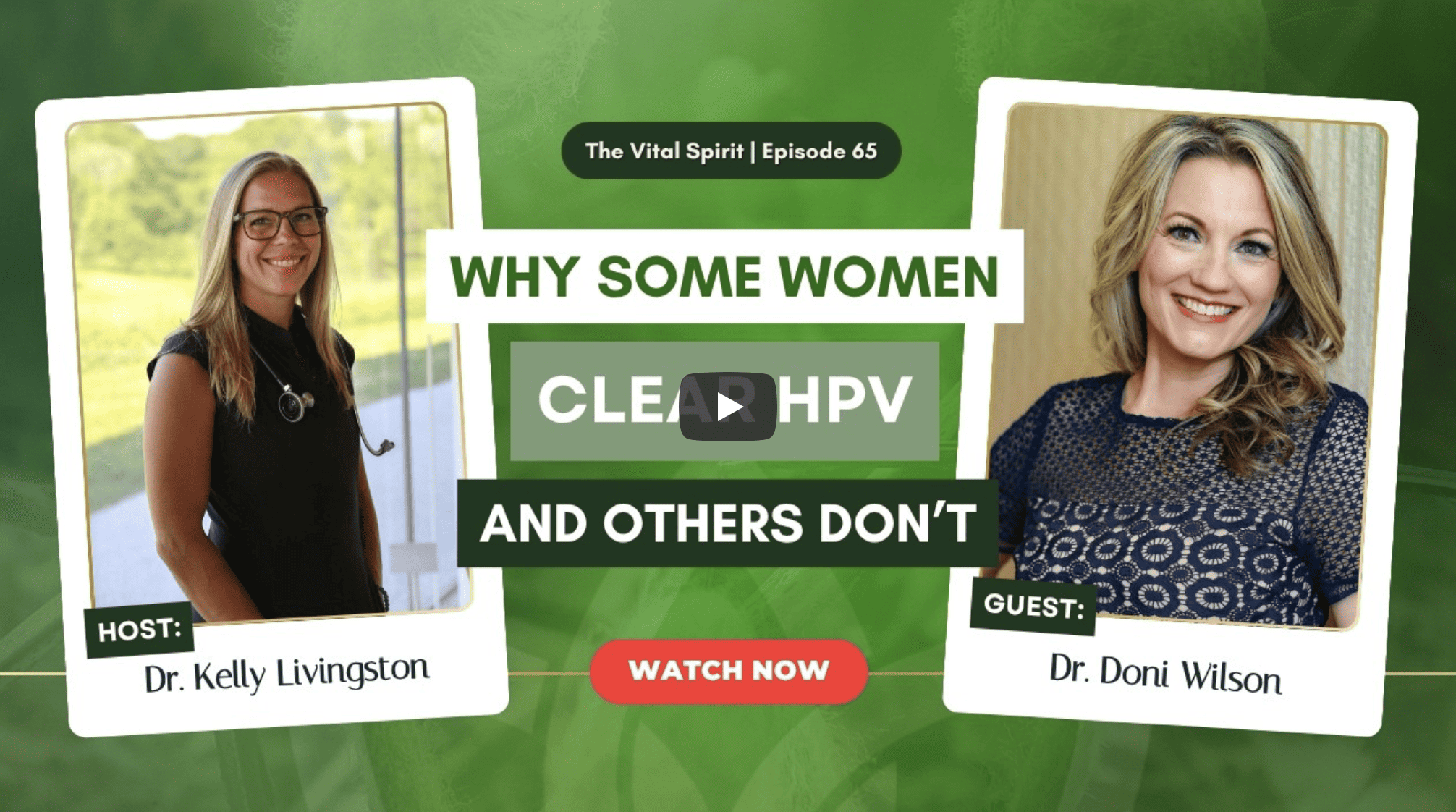
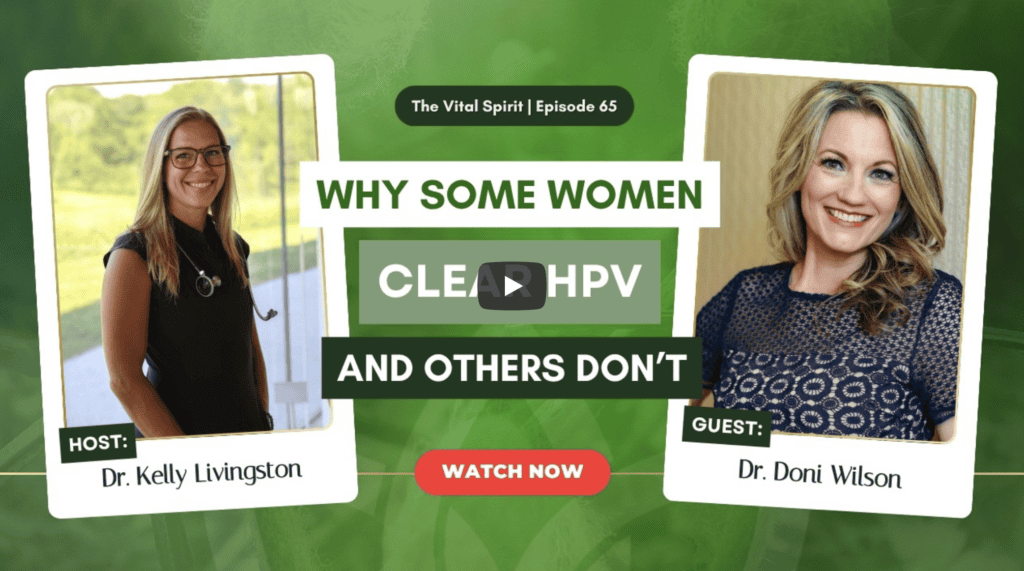
The Truth About HPV: Why Some Women Clear It and Others Don’t – Dr. Doni on The Vital Spirit Podcast
Dr. Doni was interviewed by Dr. Kelly Livingston on The Vital Spirit Podcast to talk about how we can clear HPV by addressing the root causes that made us susceptible to the virus in the first place.
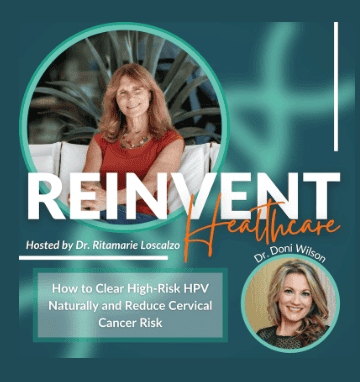
How to Clear High-Risk HPV Naturally and Reduce Cervical Cancer Risk – Dr. Doni on the Reinvent Healthcare Podcast
Dr. Doni was interviewed by Dr. Ritamarie Loscalzo on the Reinvent Healthcare Podcast to talk about what actually drives HPV persistence, why most women are told “there’s nothing you can do,” and how a terrain-based approach helps the body clear high-risk HPV and stay negative long term.
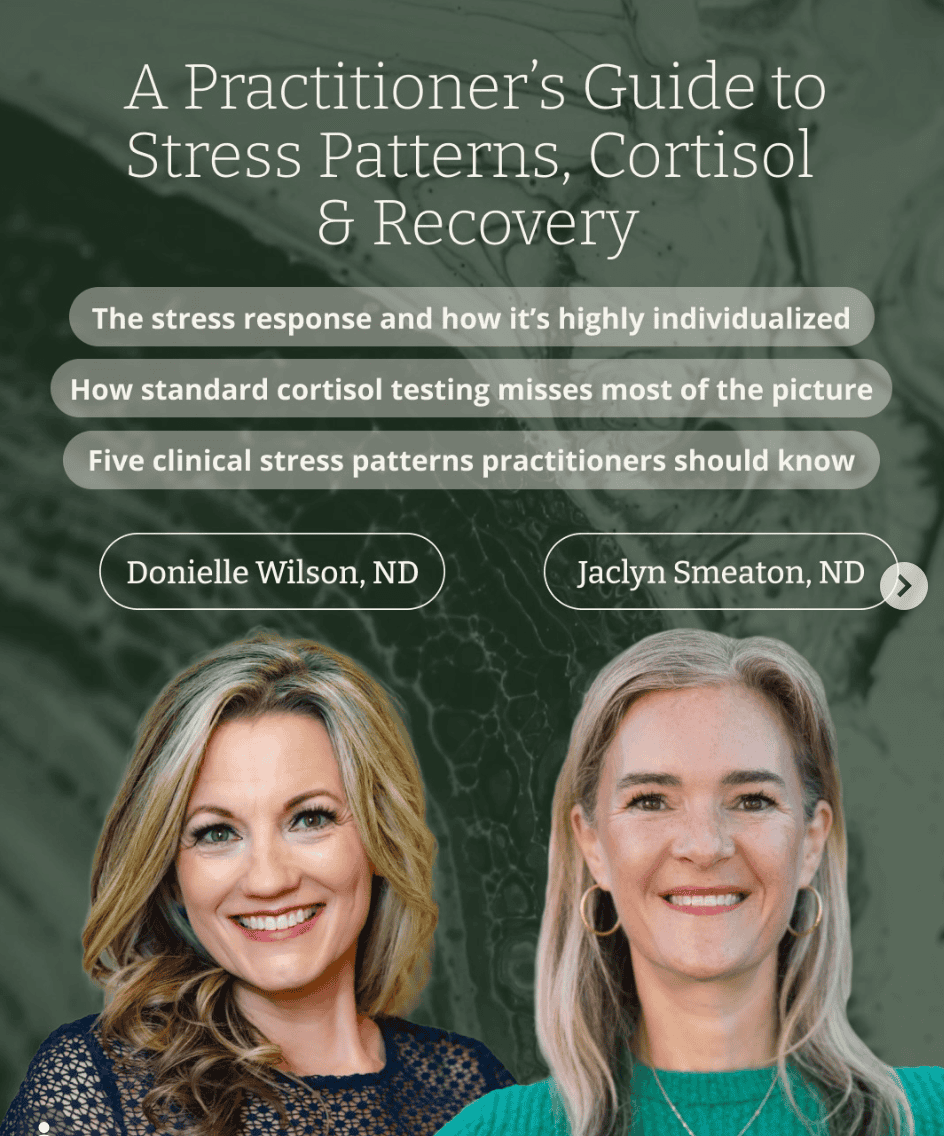
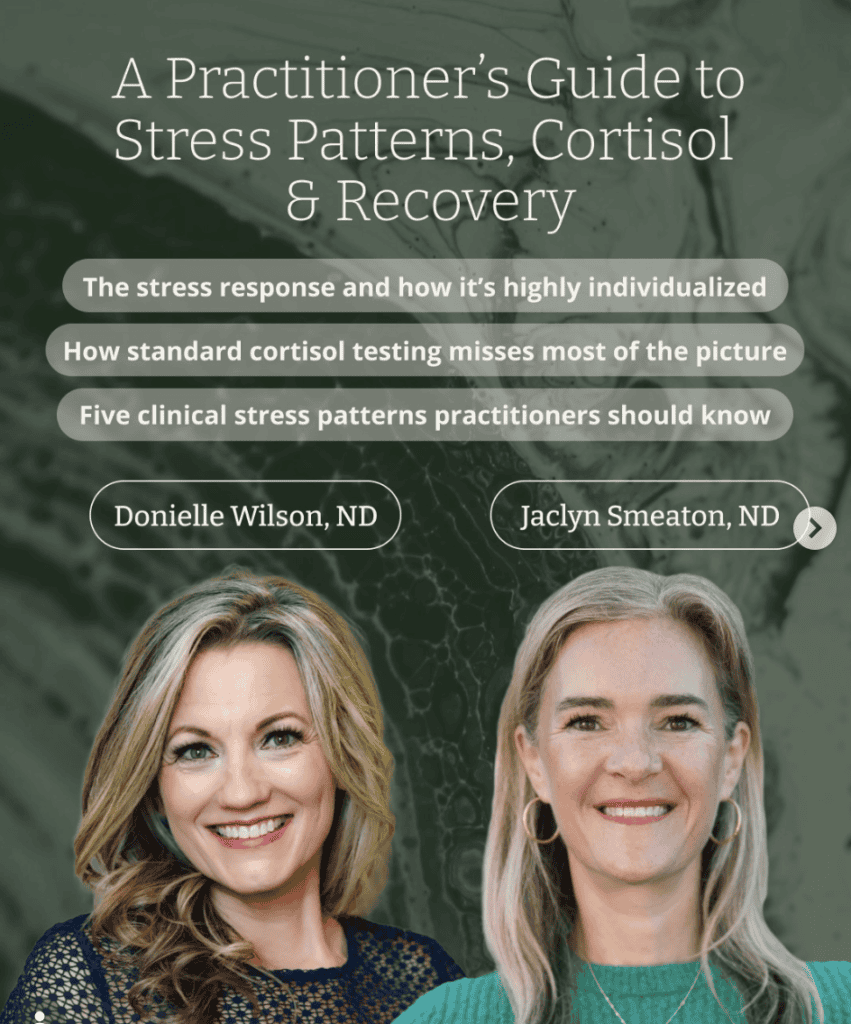
A Practitioner’s Guide to Stress Patterns, Cortisol & Recovery – Dr. Doni on The DUTCH Podcast
Dr. Doni was interviewed by Dr. Jaclyn Smeaton on The DUTCH Podcast to discuss Dr. Doni’s clinical philosophy, research findings, and personal journey around understanding and treating stress.
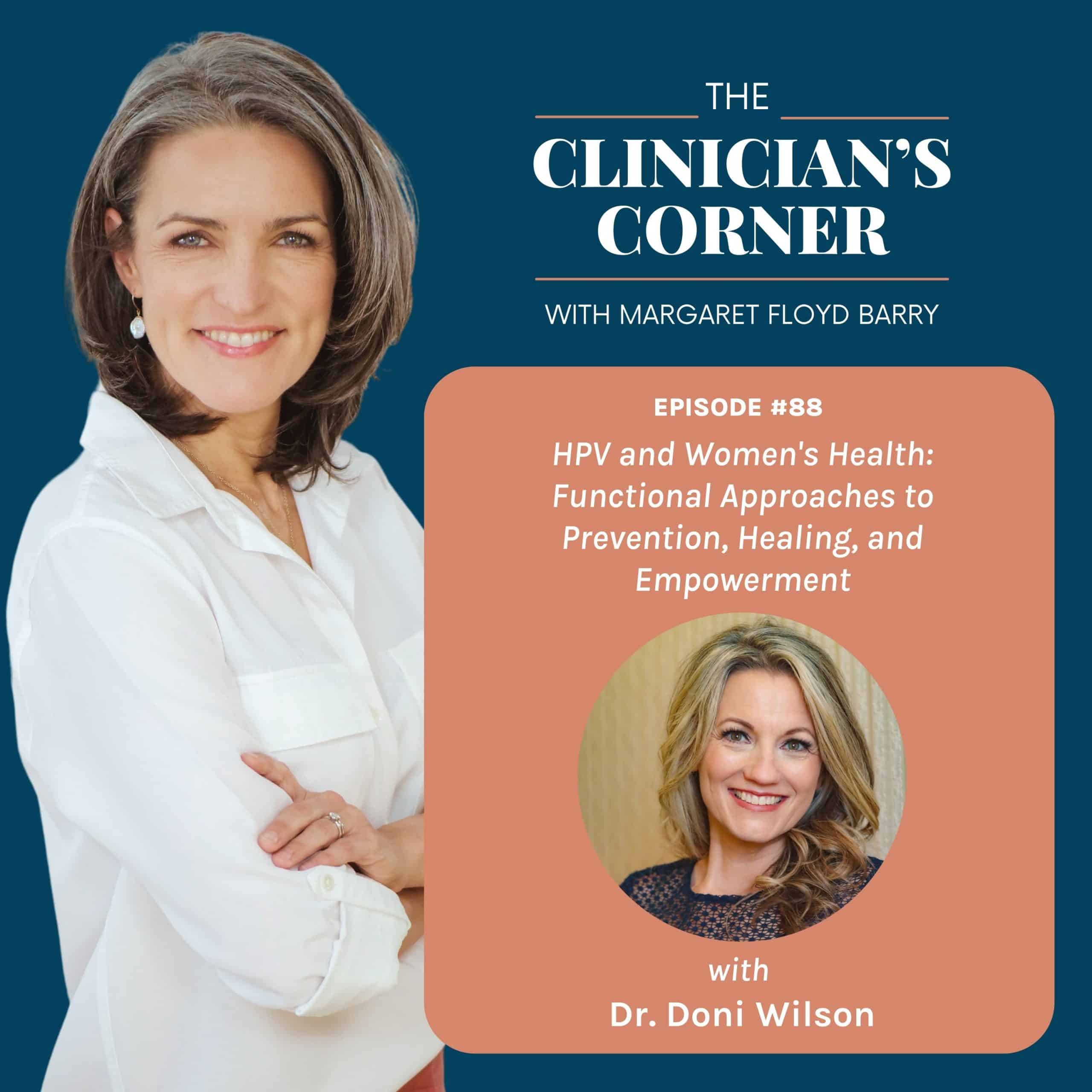
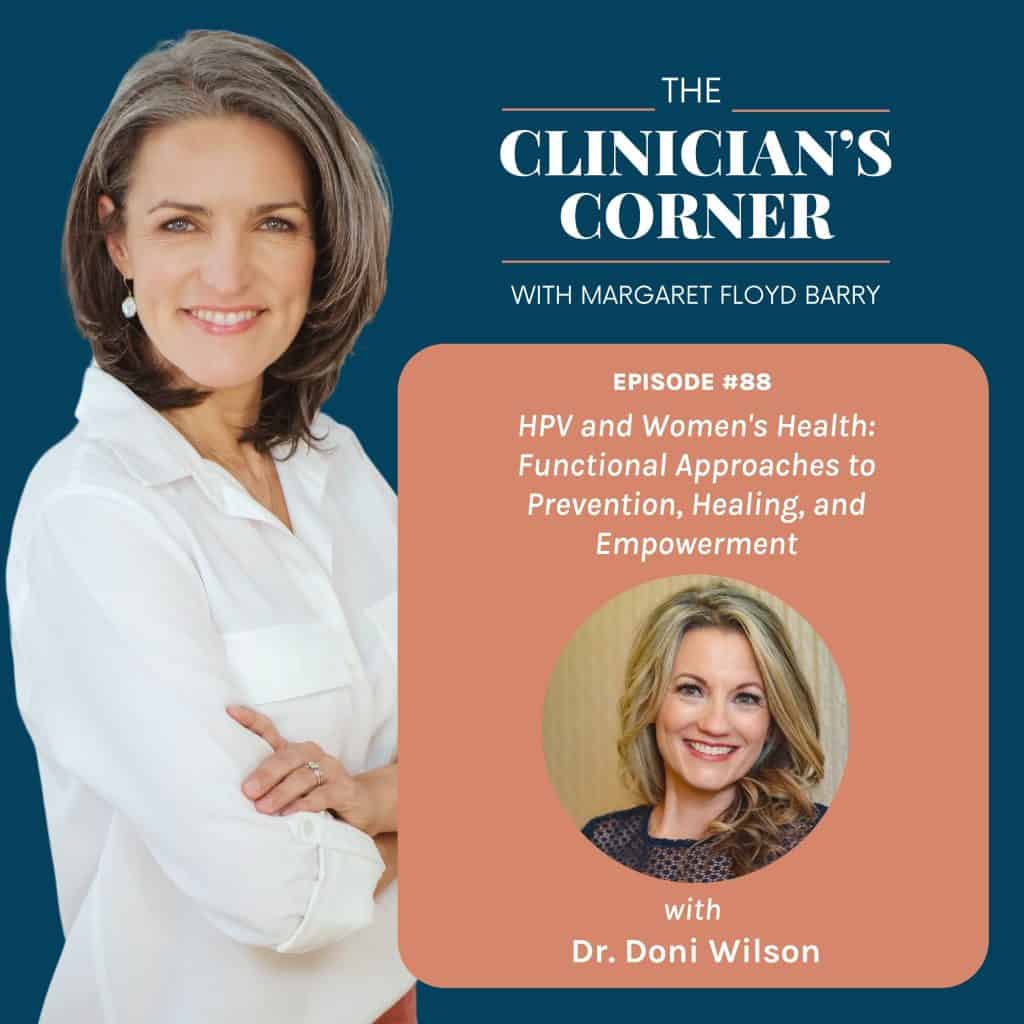
HPV and Women’s Health: Functional Approaches to Prevention, Healing, and Empowerment – Dr. Doni on “The Clinician’s Corner” Podcast
Dr. Doni was interviewed by Clinician Margaret Floyd Barry on “The Clinician’s Corner” Podcast to talk about how HPV isn’t just a women’s health issue, how stress and trauma can play a pivotal role in immune resilience, and the actionable strategies clinicians can implement to help their clients clear HPV naturally.