
Are you in menopause and dealing with recurrent infections, wondering why now? Why am I having bladder infections or vaginal infections when maybe I haven’t had them any other time in my life, or not since many decades ago?
Maybe you’ve been searching for answers about why this is happening to you now, at this point in your life. Maybe your doctor isn’t giving you answers—they may be prescribing more and more antibiotics for bacterial infections or antifungals for yeast infections without addressing the underlying cause. Or, if it’s the case of high-risk HPV virus, they’re just telling you there’s nothing they can do and to come back and see if there are abnormal cells developing.
I know because I’m trained as a primary care provider. I was trained the same way, and I understand that that’s what the standard of care is offering right now. I also know, as an alternative or functional medicine practitioner for a couple of decades that there ARE other options.
I’ve been helping women to use effective alternative approaches to address and prevent infections. In fact, this is one of the most common situations that I help with in my office.
Real Patient Success Stories
Just today, I talked to a patient who, when she first came to meet with me a year ago, was having bladder infections, vaginal yeast infections, and testing positive for high-risk HPV with abnormal cells on her pap smear – all of them, all at once. She’s in her 40s, and she was getting no help, no answers from her standard medical practice. So she started looking online, on social media and on YouTube for help.
Now today, when I met with her, I reminded her of what she was experiencing last year because her life is so different now. When I asked her how she’s feeling, she said, “I feel great. My energy is good, my mood is good, I feel good in my body.” She hasn’t had a bladder infection or a vaginal yeast infection in months and months, and today we celebrated that now her pap smear is completely negative – no abnormal cells and negative for high-risk HPV.
That’s just mind-blowing, right? Even after her doctor told her that wasn’t possible, she’s proven that it’s possible. That’s what leads me to tell you that it’s possible for you, because I see women being successful when they follow my protocol.
I asked her, “What did you do? What worked for you?” And she said, “Dr. Doni, I just followed your suggestions. I did exactly what you told me to do.” That’s why she got to where she is. It’s not to say that I know everything—it just happens to be that I know a lot about this because I’ve been helping thousands of women for so long. If you do anything over and over, you start to figure it out, and then you figure out what’s working.
I also met with a woman today who is in her 50s and going through menopause. Her period just stopped this past year, and she was very, very nervous about using hormonal replacement therapy. She was going through a divorce, and she found out that she had high-risk HPV virus and abnormal cells on her cervix.
With my help, she decided to do a vaginal microbiome test. I want you to know that all of this is possible but it doesn’t happen in the standard gynecology office. They can do a vaginal swab to look for yeast and BV, but sometimes they don’t catch it, and it’s not a full DNA analysis of the microbiome. But that type of test does exist and I help patients access them.
When she first came to see me a few months ago, I said, “You know what? Because you have vaginal symptoms and HPV is positive, we better check your vaginal microbiome.” So I sent her the test kit. It’s a test you do at home and send in, and the lab does a full PCR analysis of the microbiome of the vagina. They results showed us that she had all kinds of abnormal bacteria, including ureaplasma, which is usually treated with antibiotics.
But she said to me, “Dr. Doni, is there anything else we can do? Because I really don’t want to take more antibiotics.” So I guided her with my protocol to heal the vaginal microbiome—to address the abnormal bacteria, to address the ureaplasma, and to address the HPV. We went through all the steps along the way to not only restore a vaginal environment but to heal her digestion as well. This is important because the gut and vaginal microbiome are completely interconnected and related to each other. If there’s an issue in the vaginal microbiome, we have to address the gut as well.
Lo and behold, today we got her new vaginal microbiome panel back, and it was cute because before she met with me, she even searched on ChatGPT what the results meant, and ChatGPT was telling her, “Oh, this is really good!” So by the time she got on the call with me and I said to her, “This is a perfect test result. This is exactly what the vaginal microbiome should look like,” and she said, “Yeah, ChatGPT told me already! But I wanted to hear it from you.”
When you compare her results from six months ago, it’s a night and day difference in her vaginal microbiome, and she did not need to take any antibiotics or antifungals. All she did was follow my suggestions to optimize her vaginal microbiome and her body and her health. She’s learned so much along the way about how to safely use natural bioidentical estrogen vaginally, and now she’s working with bioidentical hormone replacement therapy in a safe and effective way for the rest of her body as well as she goes through menopause.
This Affects Women of All Ages – Not Just During Menopause
I want you to know that this information is not just for women in their 40s and 50s. Even though when we hear about perimenopause and menopause, most of the time its directed at 40- and 50-year-olds because that’s when the change is starting to happen. That’s when you start wondering, “What is going on in my body? What’s going to come in the future?” But I want you to know that from then on, for the rest of your life, you’re considered to be in menopause. So if you’re in your 60s, your 70s, your 80s, your 90s, or even if you’re over 100, this is still super relevant to you.
I can’t tell you how many patients I’ve had in their 90s and even over 100 who contact me because their main health issue is bladder infections – recurrent bladder infections and recurrent vaginal infections in their 80s, 90s, and over 100. The older you get, this is something that can become more and more of an issue.
In fact, it’s very common for women over 80 to have recurrent urinary infections, bladder infections, and recurrent use of antibiotics that can even lead to systemic infection, hospitalization, and even more complications from there.
I’m emphasizing this because, to me, all of this can be prevented if only we were doing a better job of helping women with their vaginal health and their vaginal microbiome. Then they wouldn’t be susceptible to bladder infections, because the bladder and the vagina are right next to each other, and the microbes can go back and forth.
If there’s an imbalance in the vaginal microbiome, that’s going to make you more susceptible to bladder infections. As soon as you’re susceptible to bladder infections, you’re also more susceptible to vaginal infections. It’s important to address them both at the same time.
The Microbiome Connection Between Estrogen Levels and Infections
One of the first main important connections to infection risk to understand is low estrogen levels.
For most women estrogen levels begin to decrease in their 40s, sometimes as early as your 30s, but for most women it’s after age 42 and into your 50s. It all depends on whether you go through a natural menopause with your ovaries gradually decreasing in function or if you go through surgical menopause where the ovaries are removed and there’s more of an abrupt decrease in the hormone levels.
Either way, eventually estrogen decreases. As estrogen decreases in the rest of your body, it also decreases vaginally. When estrogen decreases vaginally, it affects the health of the vaginal cells.
This is why you might hear people talk about vaginal dryness. It’s more popular to talk about vaginal dryness but to me, as a practitioner, the vaginal dryness is just one of the symptoms, one of the red flags that tells me we better start paying attention.
Because as soon as that vaginal estrogen drops in the vaginal cells, it affects the vaginal microbiome. Remember, the microbiome is your healthy bacteria and microbes that are meant to protect you from infections, just like we have a healthy microbiome in our gut and everywhere else in our body—on our skin, in our mouth. There’s also a healthy balance of microbes in the vagina, even on the cervix and even in the bladder.
When the vaginal microbial balance is disrupted, usually that means you have less of the good bacteria and more of the not-so-good bacteria, or just less of the good. Then what can happen is an infection of any form is more likely to be able to occur because the bacteria communicate with your immune system.
I think of your healthy microbiome as bodyguards or bouncers. If any abnormal bacteria, yeast, or virus shows up anywhere in your body—especially in the bladder and/or vaginal area—and if your bodyguards or bouncers are not there to bounce them out, then they can remain and start to cause an infection.
To summarize, when estrogen is low vaginally, the microbiome is disrupted and your immune system will be less able to protect you from an infection. If in addition you are low in nutrients, and/or if your blood sugar is high, and/or if you’re exposed to toxins, then it is even more likely that you will be susceptible to an infection.
Understanding Your Symptoms and Risk Factors
When estrogen is low vaginally, you may or may not have any discomfort. You may or may not have any pain. You might have pain with sex or pain when you go to the gynecologist and they use a vaginal speculum. You may notice more or less vaginal discharge.
When estrogen is low vaginally, you are more likely to get BV, which is a bacterial overgrowth in the vagina, or yeast, which is yeast overgrowth, or maybe both. It can ping-pong back and forth between BV and yeast. Or even overgrowth of good bacteria—that’s a possibility too. You can have too many good bacteria.
You will able be more likely to get a bladder infection, because when your estrogen is low, the tissue is more sensitive and fragile and its more likely the bacteria will show up when they shouldn’t. So then even with the slightest dehydration (not drinking enough water), sexual intercourse, traveling, and/or stress… and a bladder infection happens. I see it all the time.
The Importance of Vaginal Estrogen
I always teach my team: as soon as a patient says, “I’m getting bladder infections,” or “I have urinary irritation, frequency, pain with urination,” I’m going to want to know the patient’s age and whether they’re on vaginal estrogen. Because the decrease in vaginal estrogen increases the likelihood of a bladder infection so much—it’s such a clear association.
As soon as I then help those patients to reestablish a healthy estrogen level, the infections stop happening.
This is not going to be the case if you’re in your 20s or 30s; your body’s going to be making enough estrogen quite likely. So this about low estrogen is for those of you who are in perimenopause and after menopause, where your estrogen has decreased.
Even if you’re on hormone replacement therapy, this is important to know, by the way. Even if you’re using estrogen and progesterone for your systemic health—whether you are taking a pill or using a patch or using a cream of estrogen and progesterone—if you’re not using a vaginal estrogen, you are going to be susceptible to infections.
That’s because estrogen that is circulating around your body with hormone replacement therapy might not be enough to protect you from bladder and vaginal infections.
I urge you: if you get one bladder or vaginal infection, right away ask your doctor, “Do I need to be using vaginal estrogen?”
Breaking the Myth of Estrogen and Cancer Risk
I’m familiar with the research on this, and I’m here to tell you that there’s recent research showing how safe and effective it is for women to use vaginal estrogen. I know we were told to be afraid of estrogen 23 years ago when the Women’s Health Initiative came out and reported that “estrogen causes cancer.” Believe me, I know you’ve all heard it. I heard it because that’s when I was graduating from naturopathic medical school.
But then in 2023, the same researchers published a new article that said, “We were wrong. Estrogen doesn’t cause breast cancer. In fact, estrogen can be protective against many health issues, including osteoporosis, heart disease, dementia, and can even prevent cancer.” So the information has completely changed.
Remember, when we’re talking about vaginal estrogen, less than 15% of it circulates around your body. So especially with the use of vaginal estrogen, there’s very little because so little of it circulates around the rest of your body.
In fact, what you should know is, if you want to do full hormone replacement therapy, you’re going to need to use a vaginal estrogen and a systemic estrogen—meaning estrogen that circulates around your whole body and estrogen vaginally. Many times, the vaginal estrogen is left off the list.
Clinically we know that when women use vaginal estrogen, it helps to prevent infections—urinary infections, vaginal infections, and high-risk HPV virus. And in that way, use of vaginal estrogen helps to prevent the need for recurrent antibiotics and also prevents cancer caused by HPV.
Women who have had cancer often assume they cannot use estrogen, but that is not necessarily the case. I want to encourage you to talk with your doctor about using vaginal estrogen, because the research studies now are showing that in most cases it’s okay to use vaginal estrogen even if you have a history of cancer.
Talk to your doctors about this and look up the research. Don’t just listen to me. Make sure you find out for your body and your health what’s right for you, because I would hate for you to be dealing with recurrent infections when estrogen could help you.
Finding the Right Vaginal Estrogen for You
When it comes to choosing a type of vaginal estrogen, there are options. There are two forms of estrogen that may be used – estradiol and estriol.
Pharmaceutical companies do make products containing estradiol (E2) in a cream or in tablets that are inserted vaginally. You can get them prescribed from a pharmacy, and you they might be covered by insurance (depending on your insurance company).
It’s important to keep in mind that products made by a pharmaceutical company contain other ingredients that can be an issue. Because pharmaceutical products are patented they’re going to have other ingredients (that’s how they make it possible to patent them). I always recommend looking up the “other ingredients” to be sure you know what is in the product and if any ingredient you may react to. Many products, for example, contain lactose, gluten, or other substances that you may not want to expose yourself to.
Another option is to have a vaginal estrogen ordered/prescribed from a compounding pharmacy. This is especially the case if you know your body is sensitive and you don’t want to be exposed to the other ingredients in the pharmaceutical product. It’s also how you can access estiol (E3) which is a gentler and yet still effective form of estrogen.
In that case you’re going to want to work with a practitioner who can work with a compounding pharmacy to help you make your own custom formula containing vaginal estrogen – whether it’s a suppository or cream. With this option you can also modify the dose to your body.
A compounding pharmacy can make the product for you and they can do it without other ingredients that could be causing a reaction and without substances you don’t want in your body. The other option is to access vaginal estrogen through a practitioner like me. As a licensed provider, I have access to order vaginal estrogen through practitioner-grade companies. I simply want you to know there are options and there are ways to safely support your vaginal estrogen level.
I tend to recommend estriol for patients because I would rather use a more gentle and yet effective estrogen whenever possible. I encourage you to work with your doctor to get the right dose and frequency for you. It’s not used every single day; more like once or twice a week. And you would likely use vaginal estrogen throughout the rest of your life to help protect the urinary and vaginal area from infections.
How to Restore a Healthy Vaginal Microbiome
Once you’ve addressed vaginal estrogen levels, if needed, it’s a lot easier to maintain a healthy microbiome. But if your microbiome is imbalanced – like how I mentioned with the patients previously—it’s important to get it back on track.
If, for example, you have had BV or yeast or ureaplasma (or all of the above), or if you have vaginal discharge or burning or itching, it can be helpful to do a vaginal microbiome panel. This panel allows you to find out who’s there and what needs to be addressed. Then we can address it using natural approaches—herbs, nutrients, and natural suppositories, including probiotics we can use vaginally.
The use of probiotics vaginally is well-established in the research. We usually think of probiotics as something we swallow. And, yes, we can use oral probiotics too. In fact, if you’re interested, you can find one of the most researched oral probiotics to support the vaginal microbiome on my website. It’s called Women’s Probiotic Support. So a common protocol includes oral probiotics AND vaginal probiotics.
There are a lot of different oral and vaginal probiotic products out there on the market. Patients show me products they find. I think there are at least 20 I can think of off the top of my head that you can find.
However, I warn you: it’s best to work with a practitioner to guide you so that you’re getting a good quality product and the right bacteria for your body. When I work with a patient one-on-one, I specifically guide them on which vaginal probiotic to use based on their body, based on their case, and make sure that it’s going to be effective.
In my office, we help both one-on-one patients, as well as in HPV group program participants, to establish a healthy vaginal microbiome using my protocol.
Addressing the Vaginal Environment Comprehensively
Keep in mind: it doesn’t help to just flood the system with healthy bacteria. We need to know, are there any unhealthy bacteria to get rid of? Is there a lack of estrogen to address so that when you put in the good bacteria, they have a healthy environment for surviving? If there’s not enough estrogen, those bacteria are not going to survive, so you’re going to be going in circles.
We need to take into account the whole picture, which also includes doing the right tests to find out if you have any nutrient deficiencies, hormone imbalances, blood sugar level imbalances, and address those factors as well.
I go into great detail with my patients and program participants to make sure we’re not missing anything, because to the degree that if we miss a nutrient deficiency, if we miss a blood sugar imbalance, if we miss a thyroid or other hormone imbalance, a cortisol imbalance, then that’s leaving you susceptible, and that makes you again more likely—this infection is going to recur.
You shouldn’t have to be dealing with recurrent infections. I encourage you ask “What’s really going on here? Is there low vitamin D, low iron, low B vitamins? Is there a thyroid imbalance? Is there a blood sugar imbalance? Is there a toxin exposure? How can we reduce your toxin exposure?”
Also, interestingly, women who have a history of abuse and trauma in their life, starting back from childhood through adulthood, are more susceptible to having vaginal and urinary infections. That’s why it’s so important to make sure that we help you to recover from stress and trauma.
In my protocol, we do specific testing for cortisol levels, adrenaline levels, and neurotransmitter levels, and help to optimize those levels so that your past stress exposure is not able to make you susceptible to infections now and into your future. Meanwhile, stress and trauma are not commonly addressed in a standard doctor’s office.
That’s why sometimes, when you get to a certain point, you have to say, “Wait a minute. My health is so important. My livelihood, my ability to not have an infection, my ability to protect myself is so important that I’m going to need to invest in a practitioner who can order the right tests, and recommend the right support to actually help my body heal and protect me from infections going forward.”
Addressing Infections: Moving Forward with Confidence
It is very important to have a complete protocol and plan when it comes to addressing infections like HPV, especially during menopause and beyond.
I teach patients exactly what to do to protect themselves from infections because it’s not about never interacting with another human being. If you would like to be intimate with another human being, we want to help you feel confident and to know what you can do to protect yourself and prevent infections.
The most important thing to remember is that you don’t have to suffer through menopause with vaginal discomfort and infections. There are knowledgeable practitioners who can help you, effective treatments available, and a growing community of women who are demanding and receiving better care. You deserve to feel like yourself again, and with the right support and approach, that’s absolutely possible.
Your health journey is unique to you, and you have the power to make informed decisions about your care. Whether you’re just starting to notice symptoms or you’ve been struggling for years, it’s never too late to get the support you need and deserve.
If you would like to learn more about my approach for menopause symptoms and hormone replacement therapy, you can watch my Mastering Menopause Masterclass here.

You can also reach out to my office directly at 855.316.2114 or office@doctordoni.com. With proper support, testing, and treatment, women can maintain their health and vitality throughout menopause and beyond.
Remember, investing in your health is not selfish – it’s necessary. Just as we’re told on airplanes to put on our own oxygen mask before helping others, we must prioritize our own health to be able to care for those who depend on us. The time has come for women to take charge of their health and well-being, understanding that preventive care now leads to better outcomes in the future.
It is also important to know that it is possible to recover from stress and trauma and truly heal, because you’re not likely to hear that from your standard doctor’s office. Keep in mind, they are not educated about diet, herbs, nutrients, supplements, or stress recovery.
I am living proof that it is possible to heal holistically and naturally. It’s possible to balance your hormones or to use hormone replacement safely and effectively, as well as to clear HPV and get a normal pap result, and to eliminate the effects of stress, trauma, anxiety and depression. I help patients with to do this in my practice every day – by phone and zoom, anywhere in the world. You can set up a one-on-one appointment here.
Once I meet with you one on one, we will create a strategic plan based on your health needs during menopause, including sessions with the health coach on my team to help guide you to implement my proprietary C.A.R.E. and Stress Mastery programs.
If you’re dealing with persistent HPV I encourage you to check out my Say Goodbye to HPV Program here.You can access it from anywhere in the world because it is online videos, with handouts, recipes, resources, as well as live group sessions and a private app, where I teach you to implement my protocol over 12 weeks. You’ll also get access to order specialty testing I recommend to help us understand what your body needs in order to heal, as well as vaginal suppositories. I’d love to teach you how to heal and protect yourself from HPV.

You can also go to clearhpvnow.com. There, you’ll find lots of resources like my FREE HPV Recovery Guide and stories from women who’ve followed my protocol and cleared HPV to negative.
Thanks again so much for joining me for this episode of How Humans Heal. Make sure to follow and subscribe so you don’t miss the next one! You can access it on YouTube, Apple Podcasts, or wherever you prefer. You can also watch at doctordoni.com.
We’re here to help you!

Social:
- Facebook: https://facebook.com/drdoniwilson
- Instagram: https://instagram.com/drdoniwilson
- Threads: https://threads.net/@drdoniwilson
- YouTube: https://youtube.com/DoniWilsonND
Subscribe:
- Weekly Wellness Wisdom (Newsletter): https://doctordoni.com/www
- How Humans Heal (Podcast): https://doctordoni.com/podcast
More Resources from Dr. Doni:
- Stress Type Quiz: Assess your Adrenal Function
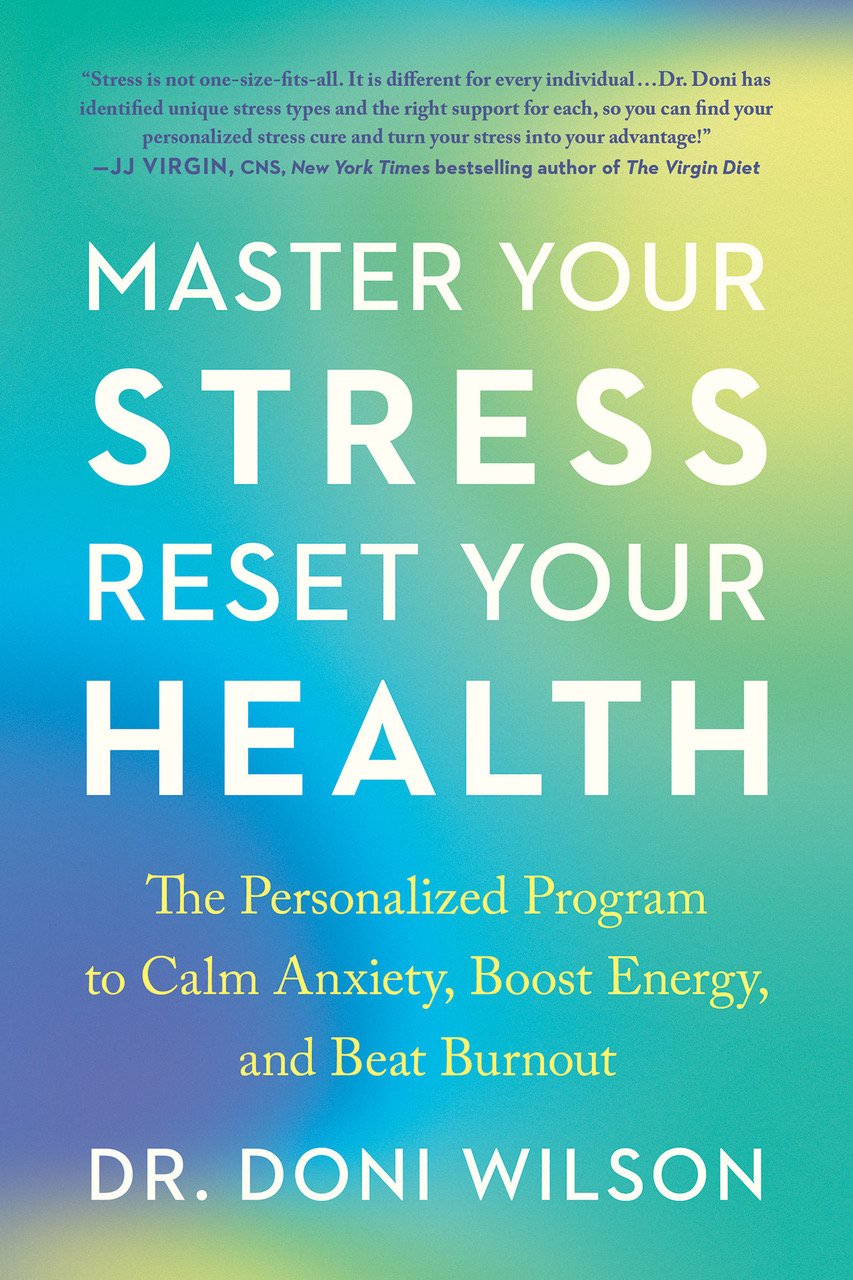
https://doctordoni.com/quiz - Dr. Doni’s Book: Master Your Stress, Reset Your Health
https://doctordoni.com/book - Dr. Doni’s Facebook Group: Stress Warrior Stress Resiliency
https://facebook.com/groups/stresswarrior - HPV Recovery Guide (FREE)
https://doctordoni.com/ddpp/hpv-guide/ - FREE Masterclasses with Dr. Doni
https://doctordoni.com/masterclasses - FREE Guides from Dr. Doni
https://doctordoni.com/guides
Personalized Solutions:
- 14-Day Detox Program: You can start this transformation program anytime
https://doctordoni.com/detox-program - Say Goodbye to HPV (12-week Program): Begin the journey to freedom from HPV today!
https://doctordoni.com/say-goodbye-to-hpv - If you’d like to meet with Dr. Doni one-on-one for your health, request a Health Breakthrough Session: https://doctordoni.com/breakthrough
Disclaimer: This specific article and all other Content, Products, and Services of this Website are NOT intended as, and must not be understood or construed as, medical care or advice, naturopathic medical care or advice, the practice of medicine, or the practice of counseling care, nor can it be understood or construed as providing any form of medical diagnosis, treatment, natural HPV cure, or prevention of any disease.


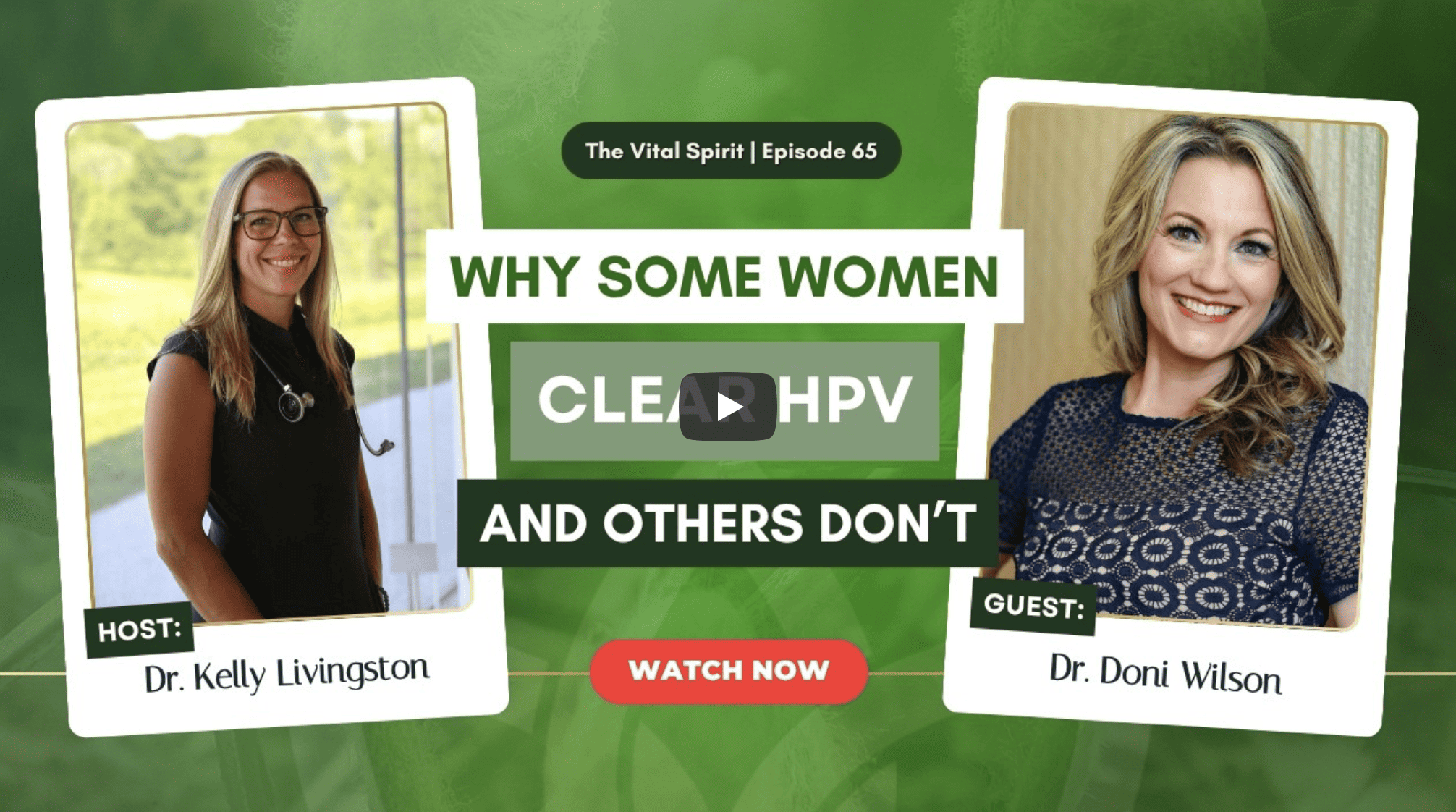
The Truth About HPV: Why Some Women Clear It and Others Don’t – Dr. Doni on The Vital Spirit Podcast
Dr. Doni was interviewed by Dr. Kelly Livingston on The Vital Spirit Podcast to talk about how we can clear HPV by addressing the root causes that made us susceptible to the virus in the first place.
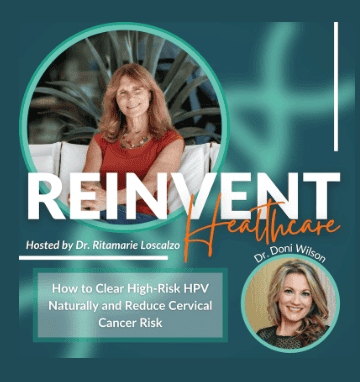
How to Clear High-Risk HPV Naturally and Reduce Cervical Cancer Risk – Dr. Doni on the Reinvent Healthcare Podcast
Dr. Doni was interviewed by Dr. Ritamarie Loscalzo on the Reinvent Healthcare Podcast to talk about what actually drives HPV persistence, why most women are told “there’s nothing you can do,” and how a terrain-based approach helps the body clear high-risk HPV and stay negative long term.
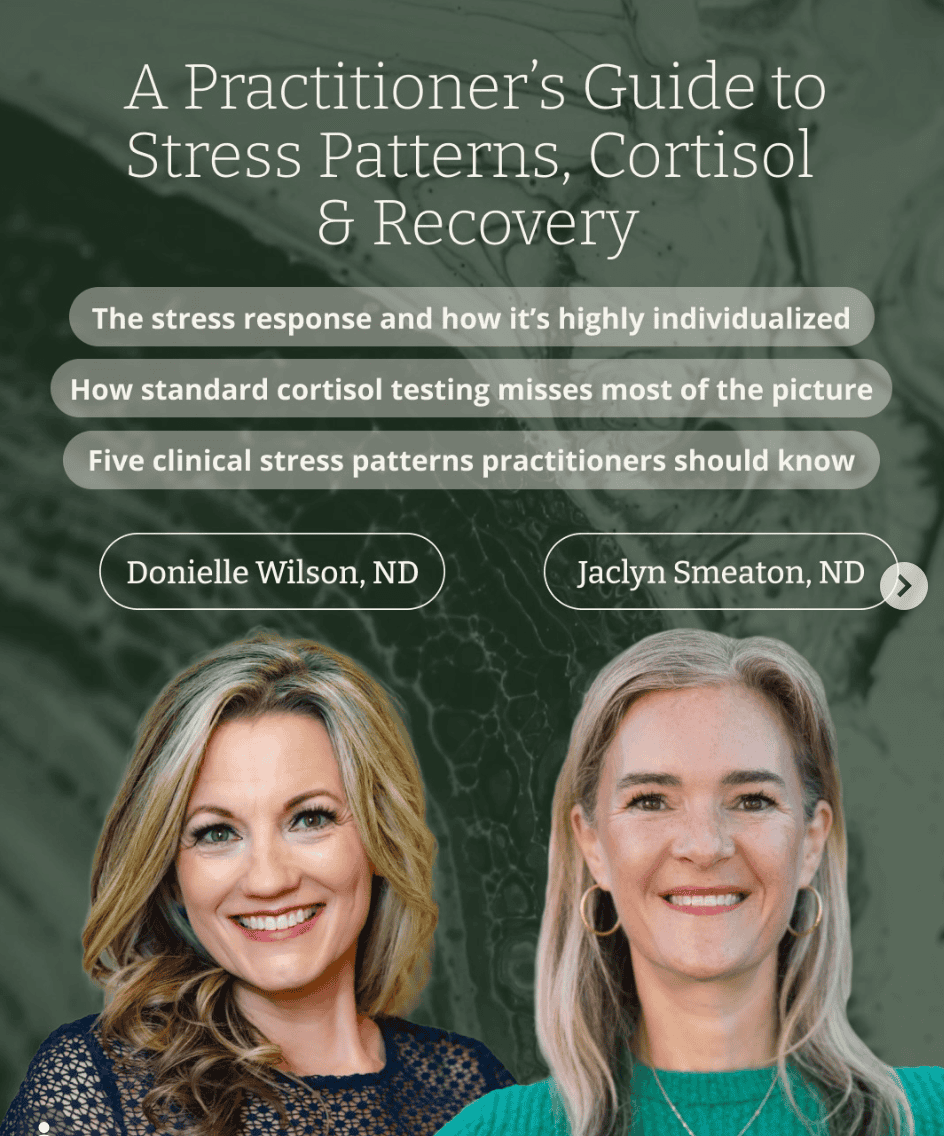
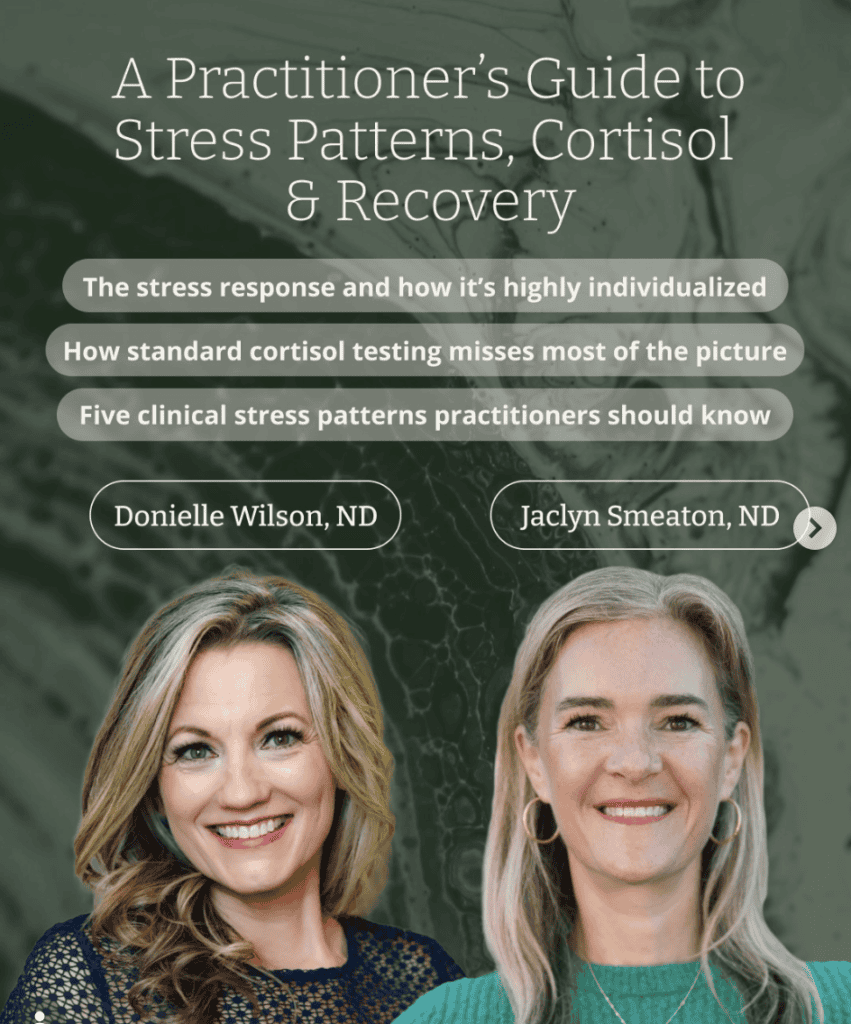
A Practitioner’s Guide to Stress Patterns, Cortisol & Recovery – Dr. Doni on The DUTCH Podcast
Dr. Doni was interviewed by Dr. Jaclyn Smeaton on The DUTCH Podcast to discuss Dr. Doni’s clinical philosophy, research findings, and personal journey around understanding and treating stress.
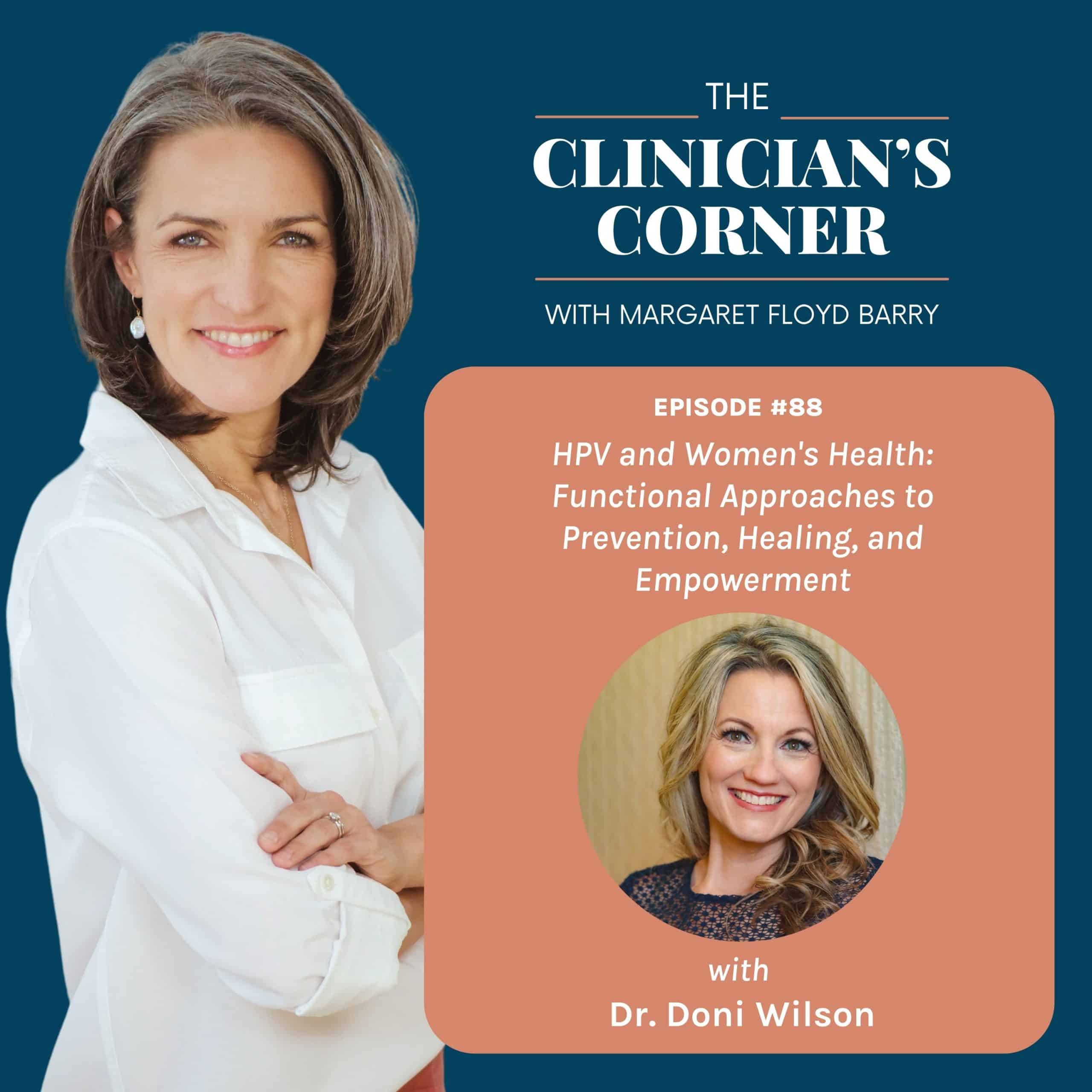
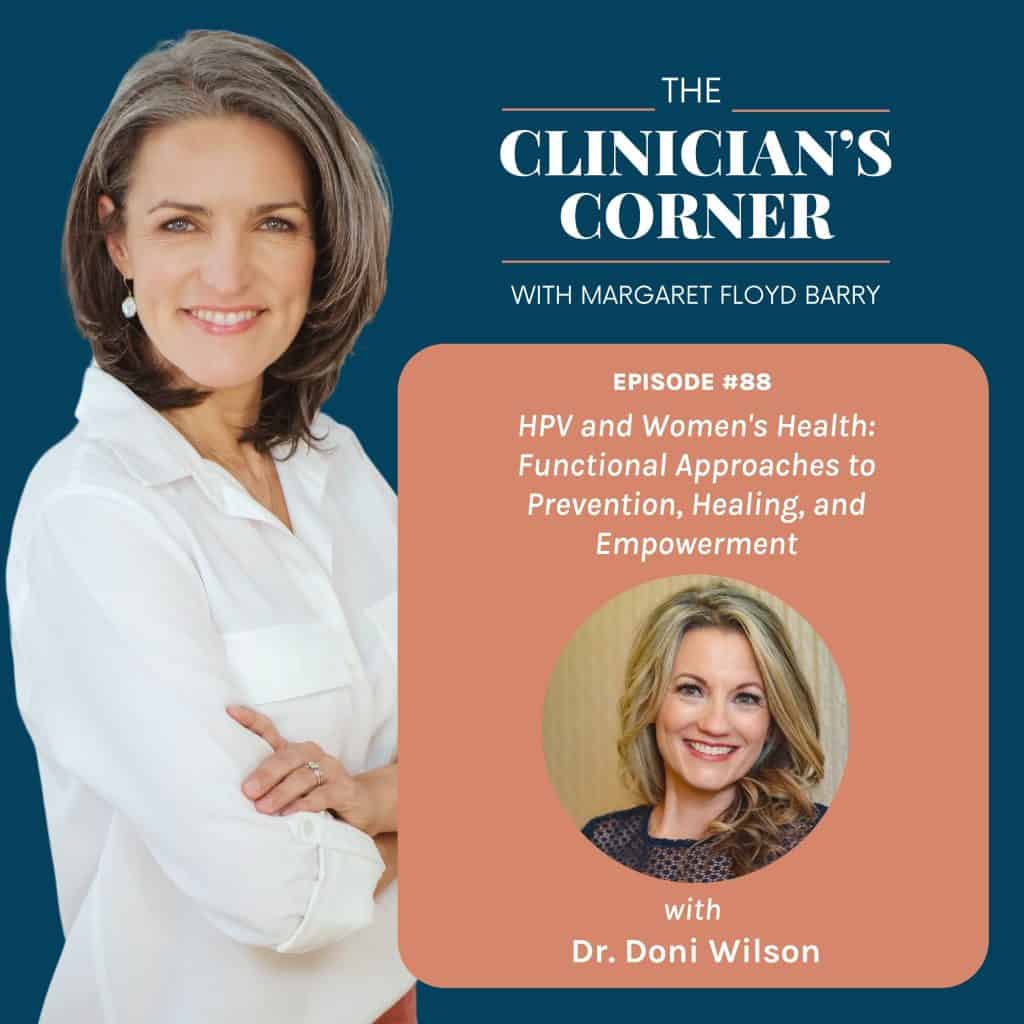
HPV and Women’s Health: Functional Approaches to Prevention, Healing, and Empowerment – Dr. Doni on “The Clinician’s Corner” Podcast
Dr. Doni was interviewed by Clinician Margaret Floyd Barry on “The Clinician’s Corner” Podcast to talk about how HPV isn’t just a women’s health issue, how stress and trauma can play a pivotal role in immune resilience, and the actionable strategies clinicians can implement to help their clients clear HPV naturally.