
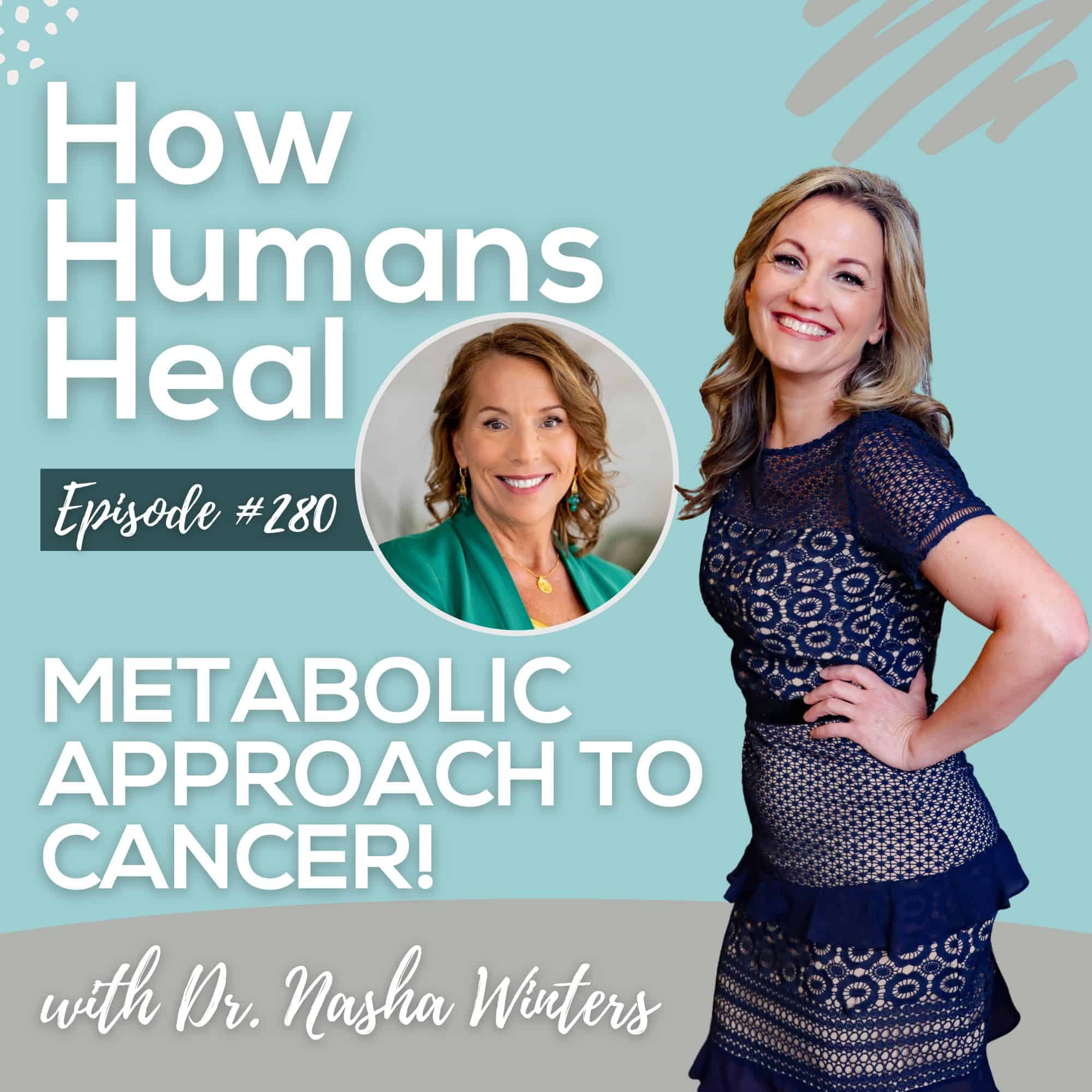
The metabolic approach to cancer treatment examines the underlying imbalances that allow conditions like cancer to develop. It is a fundamental shift in how we understand disease and health.
That’s why I’m really excited to introduce you to Dr. Nasha Winters, who is author of the book “The Metabolic Approach to Cancer.” She’s a naturopathic doctor and founder of Metabolic Regen University and has created a metabolic approach to helping people prevent and address cancer and metabolic health disorders. I’m so glad she’s here with me on How Humans Heal today.
Because Dr. Nasha and I are both naturopathic doctors and graduated from naturopathic medical school at a similar time, our paths have crossed many times over the years. We are both passionate about sharing the message that health can be achieved by addressing the root cause of the health issue.
We help patients figure out what’s going on under the surface and help them understand what that means in terms of what they can implement to make a difference, especially related to cancer. Dr. Nasha’s teaches around the world to both lay audiences and professional audiences, and created the Metabolic Regen University as a way to train clinicians in her approach to cancer.
In this episode, Dr. Nasha shares her personal experience with ovarian cancer, how she healed herself, and how that inspired her to become a naturopathic doctor. We talk about high risk HPV-related cancer, and cancer in general – how to think about it differently, and non-conventional ways to support healing.
If you or someone you know is dealing with cancer, or at risk of cancer, this is an essential interview to listen to in your research process to identify alternative and integrative ways to prevent and address cancer, alongside conventional cancer treatment or if/when conventional approaches fail.
Dr. Winters’ Personal Journey with Cancer
The context and personal story behind the Metabolic Approach to Cancer started with Dr. Nasha’s own cancer journey. At nine years old in 1980, she started menstruating, which was not normal or common. By the time she was eleven, she was put on birth control pills to deal with her endometriosis. By fourteen, she had her first bout of cervical dysplasia and had cryotherapy. By sixteen, she had another bout and more cryotherapy, consistently getting CIN 2 and 3 results.
By nineteen, she had a collection of diagnoses including rheumatoid arthritis, thyroid issues that would later be identified as Hashimoto’s, and celiac disease that wouldn’t be discovered for several more years. All these health issues, along with hormonal imbalances, weren’t being connected by her medical community. What wasn’t being put together was why a nine-year-old would start out with all these health problems.
She comes from a lot of trauma and abuse, and those questions weren’t being asked. Addressing trauma and abuse is an essential part of her approach to cancer now. By understanding the biography of patients we can better understand their biology. Only one person, Mrs. Richardson in her third grade class, asked if there was anything going on at home during a traumatic incident that affected her entire class.
In the mid-80s and late 80s, there wasn’t knowledge about HPV and its impact on cervical cancer and cervical dysplasia, so no one was testing for that. It would be another decade before she was tested and found to carry an HPV variant. There was a problem in the building (her body), but no one was addressing it – they just had a prescription pad and moved on.
At nineteen, during the summer before her sophomore year of college, she kept getting in and out of the emergency room saying something was different and wrong. They kept saying it was IBS flaring, PCOS, endometriosis flare, rheumatoid arthritis flares, or celiac-related IBS. It kept getting deferred until her roommate found her unconscious and rushed her to the emergency room.
A different doctor that night took one look at her and knew this was not more of the same but something definitely problematic. On October 21st, 1991, just two weeks after her 20th birthday, she was diagnosed with end-stage ovarian cancer.
She was so sick when she landed there – she had 100% bowel blockage, a grapefruit-sized tumor on her right ovary that shut off her ureter so her kidneys were in failure, tumors all over her liver and throughout her peritoneal cavity, pulse oximetry in the 70s, severe malnutrition, and a huge belly full of malignant fluid. They said she was too sick to even have a single dose of chemotherapy, so they sent her home for palliative care.
The Accidental Healing Process
Dr. Winters didn’t expect to fight, battle, or beat the cancer. She just wanted to understand why it was missed and why a nineteen-year-old, now twenty-year-old, would have ever had this diagnosis because it was absolutely unheard of at that time. This set her on her journey to explore the why of her own process and to then apply it to other people.
There were several “accidentals” during this time that contributed to her healing. One of the best things that could have happened was the bowel blockage because it forced her to fast. She couldn’t eat for two and a half months, which often freaks people out, yet there are plenty of centers around the country and world that do long extended water fasts under medical supervision for 40 days and longer. The longest recorded faster was 386 days under medical supervision.
- NOTE: Please don’t implement a fast on your own, without consulting a practitioner who knows how to support you with fasting safely.
Another accidental was starting to deal with the trauma in her life. Luckily, she was in another state away from her family of origin, so she could go into hiding for two years, which she called “the family fast.” She was fasting in a lot of places in her life.
The third accidental piece happened on the night of her 20th birthday when she still didn’t have the official diagnosis but knew it was bad. When some people showed up wanting to party and brought mushrooms, curiosity took over. She knew she couldn’t swallow them because she’d get sick, but she asked if she could just chew them and keep them in her mouth. Not knowing what they meant by “eat them,” she chewed an entire baggie – probably around 10-12 grams of psilocybin, which is considered a heroic dose above 3 grams.
This experience helped her face her mortality when they gave her the official diagnosis two weeks later. Studies today show the use of psilocybin in terminal patients for this very purpose. It gave her a different perspective, took away any fear of death, and lit a pilot light of wanting to live because she had been on the fence about that for quite a while.
- NOTE: Please don’t try this on your own. It’s important to work with a practitioner who knows how to support you with safe and effective doses of psilocybin.
The fasting experience cued her into understanding why she was needing to get fluid drained less and less the further out she got from eating. She was studying for a pre-med degree, so she had scientific mindset, but she wasn’t reading anything that explained what she was experiencing. She didn’t understand until many years later that she was decreasing massive amounts of inflammation and cytokine molecules, taking pressure off trying to spend energy on digestion, and instead working on healing other parts of her body.
When you get to a certain level in a fasted state, you get pretty still and calm. She had a very long life of extreme stress and duress, so this was probably the stillest, calmest, safest she’d ever felt in her life. This rewired a few things in her being and bought her enough time to keep learning, which is what she’s been doing ever since.
Understanding Cure vs. Thriving
Standard care has never said Dr. Nasha is in a full remission, but she’s learned over 34 years how to live with this condition without forcing anything on it or expecting to cure it. She doesn’t like the word “cure” because she thinks it’s really misleading for people.
The difference between cure and thriving is significant. Sometimes as humans, we get attached to a certain outcome, and to the extent that we’re attached to an outcome, that’s a whole different energetic relationship with our body and the process.
When we can get into another pathway where we’re not so attached to the exact outcome but are attached to the experience we’re looking for – thriving, living our life, doing our passion and purpose – that’s a different goal and mindset.
The attachment to outcome is something that affects many people. There are so many people out there who are so afraid of dying that they’re not living. We’re missing the opportunity to truly live. When Dr. Nasha had to face death at such a young age, it changed her perspective entirely.
The Role of Trauma and Stress in Disease
The combination of fasting physically, fasting emotionally from family trauma, and the psilocybin experience completely rewired everything for Dr. Nasha. There’s extensive research about how psilocybin helps with end of life stress, and also with trauma recovery.
One of the biggest stressors is what we’re exposed to in early childhood – adverse childhood events (ACEs). Dr. Nasha uses the ACE quiz to understand the stress patients were exposed to in childhood. Childhood stress literally rewires us differently in how we respond to stress.
The microbiome is wired differently, the neuroendocrine system is wired differently, and when you’ve been exposed to a certain amount of stress at a very young age, it sets the foundation for how you meet the world in your older years.
Dr. Nasha’s ACE score is a 10 out of 10. Looking back medically, clinically, and intellectually, she can see that of course she had cancer. The accidental overdose of psilocybin, the accidental fasting, and the accidental family fast completely rewired everything in her and gave her an opportunity she otherwise wouldn’t have had.
This speaks to the larger crisis in the United States, where we are the only country in the world not experiencing stable or improving longevity. We’re the only country where we are losing longevity, and we’ve been doing so for six years straight. Scientists call this phenomenon “the era of despair.” The biggest crisis in longevity in the United States comes from opiate overdose and suicide, which means we are a nation in pain – emotional pain and physical pain – and they coexist and are completely related to each other.
The Terrain Model of Health
Dr. Nasha refers to and uses a concept known as the terrain model of health. Terrain is referring to the state or environment inside our body. It allows us to look at our body as a whole interconnected system. And to understand how external stresses of various types can influence our overall health and wellness.
One way to understand the terrain theory is to think of a fishbowl with a goldfish swimming inside and the water is murky and crusty. Standard medical care would look at the situation and say they need to add bleach to the water. It clears it right up, but all the sediment falls to the bottom and eventually gets perturbed into the water again. The fish gets a big hit of bleach and maybe survives, but when they have to bleach it again, maybe it won’t survive the next round.
Another analogy is taking all your kitchen scraps and throwing them out the window onto the ground. Out of sight, out of mind, no problem. But then a couple days later, you start to notice a smell, then flies swarming around. You get out the fly swatter, and that seems to work, but it gets worse with more flies, so you start spraying. This is standard care – disease management versus addressing the real cause of the issue.
Naturopathic doctors, and integrative functional medicine doctors, learn to think of it differently. We think – wouldn’t it make more sense to move the trash pile, get rid of it, or, in the case of the fish bowl, we can take everything out of that bowl, clean it, put in fresh resources, and put the fish in a safe haven while you’re cleaning things up, then put it back into a cleaner environment.
This is what functional practitioners get to do – explore what is causing the muck, what’s causing the flies to be attracted, what’s causing the cells to go rogue, what’s causing the expression of disease to go rampant. A lot of times with cancer, we’re focused on the tumor as if that’s the real problem, when in reality, the tumor is the messenger saying there’s a reason why this tumor is here.
For example, a young woman had a tumor removed, and for the type of cancer she had that should have been enough – standard care says you just remove the tumor and you’re done, ring the bell, go back to living your life. That wasn’t the case for her, and it’s not the case for most cancer patients. It will find another place to express, as it did with this young woman in a short period of time, completely away from the original site.
You can cut out the abnormal cells or tumor, but you didn’t change the environment in which it originally grew.
Comprehensive Patient Assessment
The Metabolic Approach to Cancer includes a 54-page intake form for patients with cancer that serves as a journey to self and is a deep dive evaluation.
The assessment looks at symptoms, diagnosis, medications, supplements, family of origin history, as well as all the zip codes lived in during formative and transitional years to know what exposures occurred, belief systems, ACE scores, environmental intake, even Ayurvedic doshas (patterns you were born with versus patterns expressed from changes in diet and lifestyle), Traditional Chinese Medicine constitution, and some questions that show homeopathic constitutions.
This intake provides a clear story of what pattern is expressing and whether that’s the person’s true essence. If it’s expressing as disease, it’s likely not their true essence, so the goal is to get under that to find their true essence and help them return there as quickly as possible.
This process helps patients learn so much about their health and themselves along the way. In the case of women with HPV being helped to prevent cervical cancer, they end up not only preventing cervical cancer but also preventing all other health issues related to the same situation.
HPV and Terrain-Based Treatment
Dr. Nasha and I both trained at naturopathic medical schools in the 90s. We were taught in school that HPV is very much a terrain issue – it’s about a lack of certain micro and macro nutrients, certain diet and lifestyle choices. If you address those, you can do something about it.
We both had teachers like Dr. Tori Hudson teaching us how to do a traditional treatment called escharotics that can be used to heal abnormal cells caused by HPV on the cervix, and at the same time implement other changes that help the body heal and prevent HPV from causing abnormal cells.
In practice, we have each administered hundreds of escharotic treatments, helping high-risk HPV patients resolve cervical dysplasia entirely and getting clear pap results within a month from these types of treatments. Then we help women maintain the because we had changed the environment, educated them, got them oral support, and taught them how to deal with local support ongoing so they don’t turn into cervical dysplasia or other cancers in the future.
Then along came a vaccine that took all of that away from us. People were taught to believe that just a shot would prevent it, and it took away that opportunity to educate and empower women on how to really tend to their terrain to prevent that from happening. Even though the vaccine only addresses a few of the variants when there are dozens out there, patients still come across in practice today who have cervical cancer even though they had the injections, because no one taught them how to take care of their bodies.
There’s trauma happening to women because of this approach. They’re told to get the vaccine and they’ll be fine, but it only covers some of the high-risk types and is only partially effective even for the ones it does cover. Women end up positive for HPV anyway with cervical dysplasia, and they’re told this was supposed to not happen. Now they’re in a situation where some people are even judgmental, saying they were supposed to just get the vaccine, completely missing the point that this wasn’t going to solve it anyway.
Many women go for their pap and find out they’re testing positive for high-risk HPV. The doctor might say don’t worry, just come back in a year. They go back in a year, and now it’s progressed to CIN 1 or CIN 2. If it’s CIN 1, it’s not advanced enough to require the surgeries offered, so they say come back in another year.
Women are in this limbo, and once they find practitioners who can help and learn they could have been doing something, they feel really angry and betrayed, wishing they had known two years ago when this first came out positive that they could have been changing their diet, changing their lifestyle, healing from trauma, doing all the things so it didn’t progress.
Unfortunately, women’s conditions progress, they might have surgery like a LEEP or hysterectomy, then find out six months or a year later that now it’s in the vaginal cells and recurring. That’s when women start searching and find help, learning that practitioners can still help at any point along the process, but it shouldn’t have to be that experience.
Body Awareness and Empowerment
In some ways, we were more successful in preventing HPV-related issues before the vaccine because we didn’t have a false sense of security. One of the most striking things about working with escharotic treatments was having patients take a mirror and watch the process. Some people were taken aback by this approach, but patients needed to see inside so they could help visualize what was happening, watching it change from day to day as we would do the acetic acid and watch all the little white spots get less and less until by the end of a round of 5 to 15 treatments depending on the stage, it would be gone.
They would watch this beautiful healing process. The amount of pride and excitement around it was incredible. Many women brought in their partners to see and have the process explained. An empowered patient is a very difficult to kill patient.
For patients who move into CIN 3 and beyond, if you do not deal with the virus or the reason why this cancer took root, no amount of chemo, no amount of surgery, no amount of hyperbaric oxygen and high dose IV vitamin C or other treatments are going to work long-term. In standard medical and oncology approaches for cervical cancer, they’re not addressing the virus at all.
The key is asking the question “why.” Everyone’s assuming that because someone had sex and got exposed to the virus, that’s why it’s there. But that’s not the whole story. Yes, at some point there had to be exposure to this virus, but we’re all being exposed to a lot of things – viruses, bacteria, molds. When our bodies are working well, the immune system is able to do surveillance and respond to those things favorably, keep the peace, repair if something was damaged, and take out the garbage where it should be.
Our bodies are constantly doing this without us even knowing it, which is beautiful. The only time you know there’s a problem is when something was wrong with the management system. It’s not that the virus was the problem – it’s that the surveillance wasn’t on task or the removal of debris wasn’t working as well. If we don’t get to that why, it will just keep coming back until we address it or don’t.
Nutritional Foundations and Body Signals
When teaching college freshman and sophomore women, Dr. Winters would have them all feel the back of their arms, feel the heels of their feet, look at their fingernails, feel for cracks on the sides of their mouth, and check if they get cold sores. These are all things people don’t even think about, but they’re telling signals.
The bumps on the back of arms are significant for vitamin A deficiency. She would ask if they noticed weird night vision or floaters, and many would say yes. Vitamin A is nature’s antiviral, and this deficiency indicates you’re lacking one of your first defenses. Cracked heels indicate essential fatty acid deficiency. So many young women go into a fear of fat phase and into vegan diet phases, which further depletes fat-soluble nutrients A, D, and K, animal-derived nutrients like vitamin D and B12, and soil-depleted nutrients like magnesium.
Little white spots on fingernails indicate zinc deficiency, which is also your first defense. She would walk them through their own bodies and ask where they’re getting their B12 if they’re vegan, explaining it’s not enough to get it from algae – you need the bioavailable kind. You can get D2 from mushrooms, but that’s not the bioavailable form required to turn on and off dozens of genes in your body and instigate an immune reaction. Zinc is about hormone health too – if you’re under high stress, you’ll see zinc drop and with it your progesterone.
A simple nutritional physical in a class, and suddenly these women were eating fish, taking cod liver oil, getting sunshine without being afraid of it. Then they’d start talking about partners – is this person someone you want to merge with? If not, you need to listen to those signals because you’re telling yourself something when you’re allowing somebody else to enter that space.
Having these conversations with teenagers and young women versus just saying “take this shot and move on with your life” creates a completely different scenario in how things play out. Several of those young women are now naturopaths or allied health professionals, nurses and physician assistants having these conversations.
Returning to Fundamental Health Principles
The body has messages for us, but we need to start listening and paying attention to pick up on the messages. Instead of being critical of symptoms, we should be curious. Why am I getting these cracks? Is that a nutrient deficiency? Instead of making dietary decisions based on external arbitrary things, we should ask what our body really needs for nutrients.
Sometimes it seems so simple, but it makes such a difference. As naturopathic doctors, we come back to the simplest form – what are we putting in our mouths or not putting in our mouths, are we getting sleep, are we getting time in nature or other recovery activities. Coming back to these simple basic foundational activities that humans require to be healthy – we call them the determinants of health.
Americans spend less than 15 minutes a day outside on average. Just a century or so ago, in little house on the prairie days, we were walking an average of 4 hours a day, chopping wood, carrying water, lots of exposure to sun and elements, not having continuous 72-74 degree climate. We were using things like tallow soap and tallow on our skin, not using detergents to take away our most important absorptive surface. We weren’t eating foods with chemicals.
There’s a sticker that says “eat organic food, or as your grandparents called it, food.” When we have to think about where it’s coming from, what it’s been treated with, whether it has a weird peel – these things didn’t exist a generation or two ago. Going back to those fundamentals really is a return to remembering how we were divinely designed.
When you don’t deal with those basic foundations, you don’t receive healing. You can’t heal in a sympathetic nervous state. You could have the best protocol, the best formulas, the best standard care, integrated care, alternative care therapies, but if they’re landing in a highly charged sympathetic dominant environment, they’re not received because the body is stuck in the stress cycle.
Integrative Oncology Approach
The goal is to create a system where it’s no longer perceived as us or them – standard care or alternative – but an elegant weaving of directly targeting the tumor while directly supporting the terrain, going hand in hand without division, judgment, or polarity. This becomes the new standard of care.
Seventy percent of the clinicians who take Dr. Winters’ course are actually medical doctors. The very first module gives them a course in naturopathic philosophy because the training was the same – they learned biochemistry, physiology, anatomy the same way. Where the paths divided was in philosophical approach and understanding of what creates health and what creates disease.
Using scientific terms and terminology everyone agrees on, it’s extraordinary to watch light bulbs click off even for naturopaths, DCs, osteopaths, and DMs who come into the program. Most colleagues don’t even know the philosophy they practice from anymore. They all come back together saying let’s look at true health creation, not just disease management.
The methodology taught is simple: test, assess, address, don’t guess. For instance, with a patient with HPV-driven cervical cancer, wherever it landed in the body – cervix, head and neck, rectum – they’re very similar personalities because it’s viral driven. When you think about a virus, does it make sense that you would give treatments that would further damage and destroy the immune system to deal with that virus?
Before COVID, there were 250,000 accounts of Epstein Barr virus driven cancers in the world. Up to 40% of all cancers are actually driven by a virus. Glioblastoma, HPV family squamous cell carcinomas, CMV, Epstein Barr are all out there. We now understand that SARS COVID is also a driver of many cancers, very specific in its impact on complex one of the mitochondria and turning on metabolic pathways that rev up growth factors.
The way standard care approaches oncology is very immunosuppressive. We’re finally talking about immune activation with immune therapies today, but that can backfire in about 80% of patients. We have to do better by going after both the tumor and the terrain simultaneously.
Testing Is Key to Treamtent
In testing, when we get a biopsy, we can find out if it’s squamous cell or adenocarcinoma and think about the approach differently depending on which one. We look at the Ki-67 score, which is a proliferation score showing how fast it’s growing. If it’s under 20 or 25%, you have time to be more judicious and take a more integrative alternative path before getting aggressive, at least to prepare the body. If it’s a high score, we want to be more assertive and aggressive, using tools in a different way.
We can test blood biopsies or tissue biopsies to tell us exactly the personality of the tumor, then know what therapies from standard care, off-label drugs, or alternative care address those particular patterns. We can use them wisely with concepts like metronomic treatment, where we take a tenth of the typical dose of chemotherapy and layer it with other pressure point therapies, oxidative therapies like 10% of oxaliplatin along with a 50g bag of IV vitamin C on the same day with hyperbaric oxygen therapy – a highly oxidative therapy that hits the tumor but supports the terrain simultaneously.
This is where the future of oncology is moving. Many clinics are doing this, but there are integrative oncology clinics that just throw massive amounts of expensive protocols at patients without using the finesse of testing to deeply understand patterns of individuals and the best therapies to deal with those patterns. Training clinicians to know the right dose, duration, combination, and when to push or pause depending on how the patient feels and certain labs is crucial.
It’s easy to look at labs that show extreme oxidative stress. When you see that, it’s not time to keep pushing, but that’s exactly what standard care does with maximum tolerated dose – the concept of literally napalming the field and hoping something survives. There’s an emerging approach known as adaptive theory, very much in alignment with naturopathic philosophy, which says push it back just enough so the wisdom of the body can rush back in and do what it was divinely designed to do.
This doesn’t mean being anti-chemo. There is a time and place, and they can play very well together when they’re curated and personalized. Instead of being in fear and acting defensively, we can understand the situation and support the body to heal itself, which is the philosophy of naturopathic medicine and medicines before us – the vitalistic medicines from Chinese medicine and Ayurvedic medicine.
These are the grandmothers and great-grandmothers of even modern medicine. We learned surgery from Ayurvedic practitioners and most of our pharmacology from Ayurvedic medicine. We applied those principles but threw away the wisdom and philosophy when we adopted antibiotic, antihypertensive, antidepressant approaches. We forgot to ask what’s the “pro” version.
We can find out the behavior of the tumor and match that up with treatments. Instead of doing all treatments when they’re not all going to help with this specific tumor, we match the tumor to the treatment. We can test and almost repertorize the tumor like choosing the proper remedy from a homeopathic approach. This common language is exciting because it provides hope for the first time in oncology that we might be getting somewhere.
Even in cases of cervical cancer caught before it turns into cancer, when we can see cells at the mild stage, we can get information to intentionally modify what we’re doing. Testing companies are doing metabolomics that can see patterns of people at the time of finding precancerous biopsies or even after cancer diagnosis, ideally trying to head everything off at the pass.
This is part of what we’re already doing – testing for food sensitivities, leaky gut, microbiome imbalances, nutrient deficiencies, cortisol levels. We can get this information, but women are not getting it in standard medical care, so they’re in the dark about what foods to avoid or what specific support they need. Just taking a probiotic at that point probably won’t do it – we need to get specific to address what exactly is out of balance.
This is where the approach to addressing HPV has evolved over 25 years – testing to see in each person specifically what’s going on in their environment that’s allowing the virus to cause abnormal cells. Once we address those things, the virus gives up because it’s not fun anymore. The beauty is it should not be either/or – we have amazing tools we should take advantage of, and it’s possible to get access to them regardless of location, time, or space.
This represents a fundamental shift toward empowering both patients and practitioners with the knowledge and tools needed to address not just symptoms but the underlying conditions that allow disease to take root, creating true healing rather than just disease management.
Conclusion: A New Vision for Health and Healing
This conversation with Dr. Nasha Winters illuminates a transformative approach to understanding and addressing cancer and chronic disease. Her personal journey from a nineteen-year-old with end-stage ovarian cancer to a thriving practitioner and educator demonstrates that healing is possible when we address the root causes rather than just managing symptoms.
The metabolic approach to cancer represents more than just another treatment option – it’s a fundamental shift in how we understand disease and health. By examining the terrain in which disease develops, we can identify and address the underlying imbalances that allow conditions like cancer to take root. This approach recognizes that the tumor is often the messenger, not the problem itself, and that lasting healing requires changing the environment that created the disease in the first place.
The integration of trauma-informed care, nutritional medicine, environmental assessment, and personalized testing creates a comprehensive framework for healing that honors both the complexity of disease and the wisdom of the body. This model doesn’t reject conventional medicine but rather seeks to enhance it by addressing the whole person and their unique circumstances.
Dr. Winters’ work training medical doctors, naturopaths, and other healthcare practitioners in this approach signals a promising future where integrative care becomes the standard rather than the exception. The fact that 70% of her students are medical doctors shows that conventional practitioners are hungry for tools that go beyond symptom management to create true healing.
The conversation also highlights critical issues in our current healthcare system, particularly around prevention. The HPV vaccine example demonstrates how well-intentioned interventions can sometimes create false security while missing opportunities for education and empowerment. True prevention requires understanding our bodies, listening to their signals, and creating environments that support health rather than disease.
Perhaps most importantly, this approach returns agency to patients. Instead of being passive recipients of treatment, people become active participants in their healing journey. They learn to read their body’s signals, understand their personal risk factors, and make informed decisions about their care. An empowered patient truly is harder to harm and more likely to thrive.
If you’re interested in Nasha’s book “The Metabolic Approach to Cancer” it’s available on Amazon and other places books are sold. This book is an innovative, metabolic-focused nutrition protocol that identifies 10 key hallmarks crucial to preventing and managing cancer.
If you want to learn more about Nasha you can find her website here. You can also find Nasha on Instagram @drnashawinters and Facebook @drnashainc. You can find the Metabolic Regen University website here.
A Note from Dr. Doni
Infections, imbalances, and symptoms are simply messages or signals showing us that trauma is affecting us on a physical level. It’s when we can heal from the stress and trauma that these physical symptoms and health issues disappear. That is also the case with high-risk HPV and abnormal cells on the cervix, as well as many other health issues such as pain and migraines.
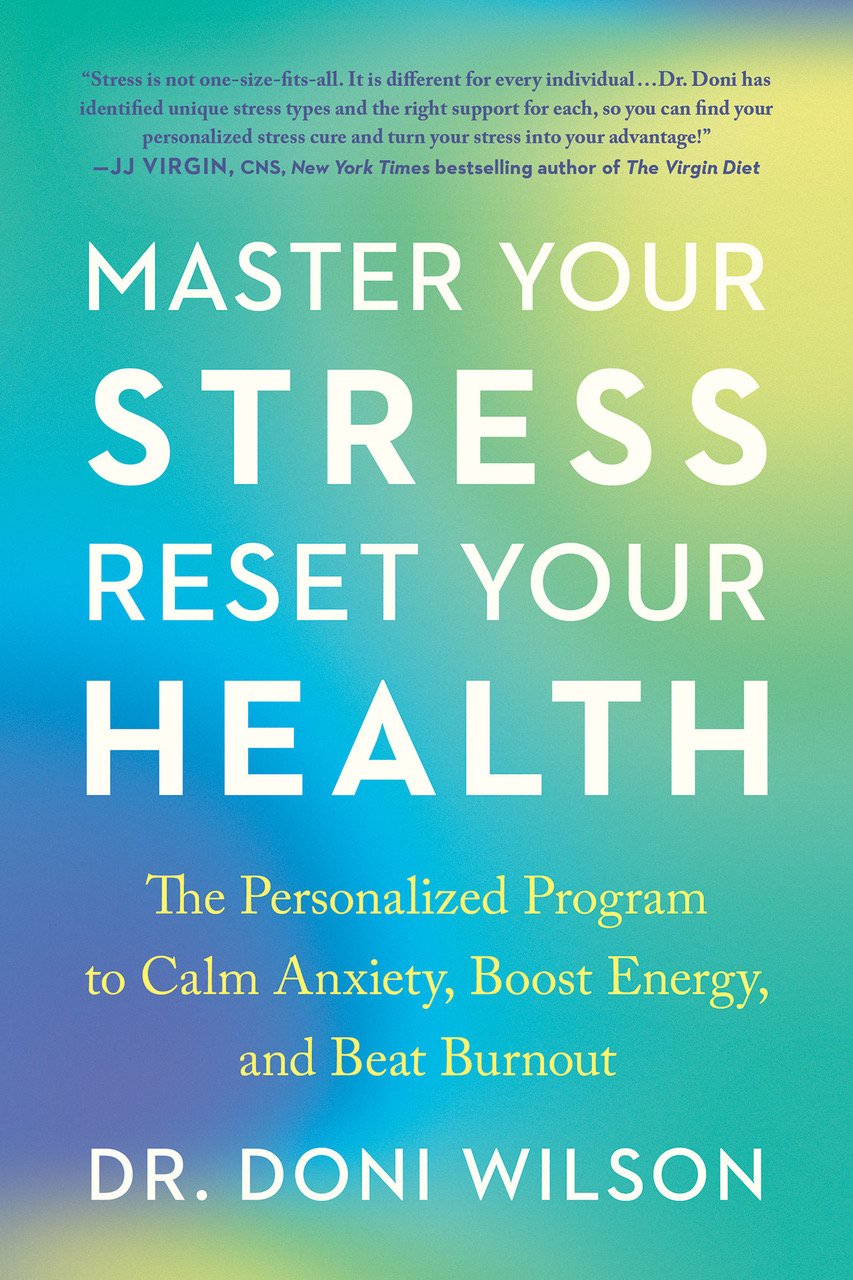
In my book – Master Your Stress Reset Your Health – I help you to identify how stress and trauma have impacted your nervous system and stress hormones, and then how to eliminate the impact of stress so that you can heal.
In the book, you’ll find out your “Stress Type,” which is how your body was uniquely affected by stress, and then how to heal based on your Stress Type using the proprietary C.A.R.E. method. C for clean eating, A for adequate sleep, R for recovery activities, and E for exercise. The tools Jane shared in this episode are covered under the R of C.A.R.E., including the research and how to choose them based on your Stress Type.
I find that stress recovery is essential for women who are healing from high risk HPV, so it is included in the Say Goodbye to HPV online program, and in one-on-one work with patients, which is available to women around the world.

If you would like to learn more and understand the next steps on your healing journey, you can comment below or you can reach out to my office through office@doctordoni.com and we can set up a time to meet, so I can get to know you, and we can think through the different options that make sense for you. It’s all about understanding where you’re starting from, and the next best step for your case. I will then guide you step by step in the direction of healing.
Please know that if you’re struggling and hoping there’s another option for healing, there is! I’m happy to help you create a plan to transform your health and your future.
Thanks again for joining me in this conversation with Nasha here at How Humans Heal. If you haven’t already, I welcome you to subscribe to my newsletter, podcast and join me for the next episode.
I hope this gives you new hope and inspiration for your ability to heal. Don’t give up – believe me, I’ve been through pain and suffering. I understand. You’re not alone. Healing is possible.

Social:
- Facebook: https://facebook.com/drdoniwilson
- Instagram: https://instagram.com/drdoniwilson
- Threads: https://threads.net/@drdoniwilson
- YouTube: https://youtube.com/DoniWilsonND
Subscribe:
- Weekly Wellness Wisdom (Newsletter): https://doctordoni.com/www
- How Humans Heal (Podcast): https://doctordoni.com/podcast
More Resources from Dr. Doni:
- Stress Type Quiz: Assess your Adrenal Function
https://doctordoni.com/quiz - Dr. Doni’s Book: Master Your Stress, Reset Your Health
https://doctordoni.com/book - Dr. Doni’s Facebook Group: Stress Warrior Stress Resiliency
https://facebook.com/groups/stresswarrior - HPV Recovery Guide (FREE)
https://doctordoni.com/ddpp/hpv-guide/ - FREE Masterclasses with Dr. Doni
https://doctordoni.com/masterclasses - FREE Guides from Dr. Doni
https://doctordoni.com/guides
Personalized Solutions:
- 14-Day Detox Program: You can start this transformation program anytime
https://doctordoni.com/detox-program - Say Goodbye to HPV (12-week Program): Begin the journey to freedom from HPV today!
https://doctordoni.com/say-goodbye-to-hpv - If you’d like to meet with Dr. Doni one-on-one for your health, request a Health Breakthrough Session: https://doctordoni.com/breakthrough
Disclaimer: This specific article and all other Content, Products, and Services of this Website are NOT intended as, and must not be understood or construed as, medical care or advice, naturopathic medical care or advice, the practice of medicine, or the practice of counseling care, nor can it be understood or construed as providing any form of medical diagnosis, treatment, natural HPV cure, or prevention of any disease.


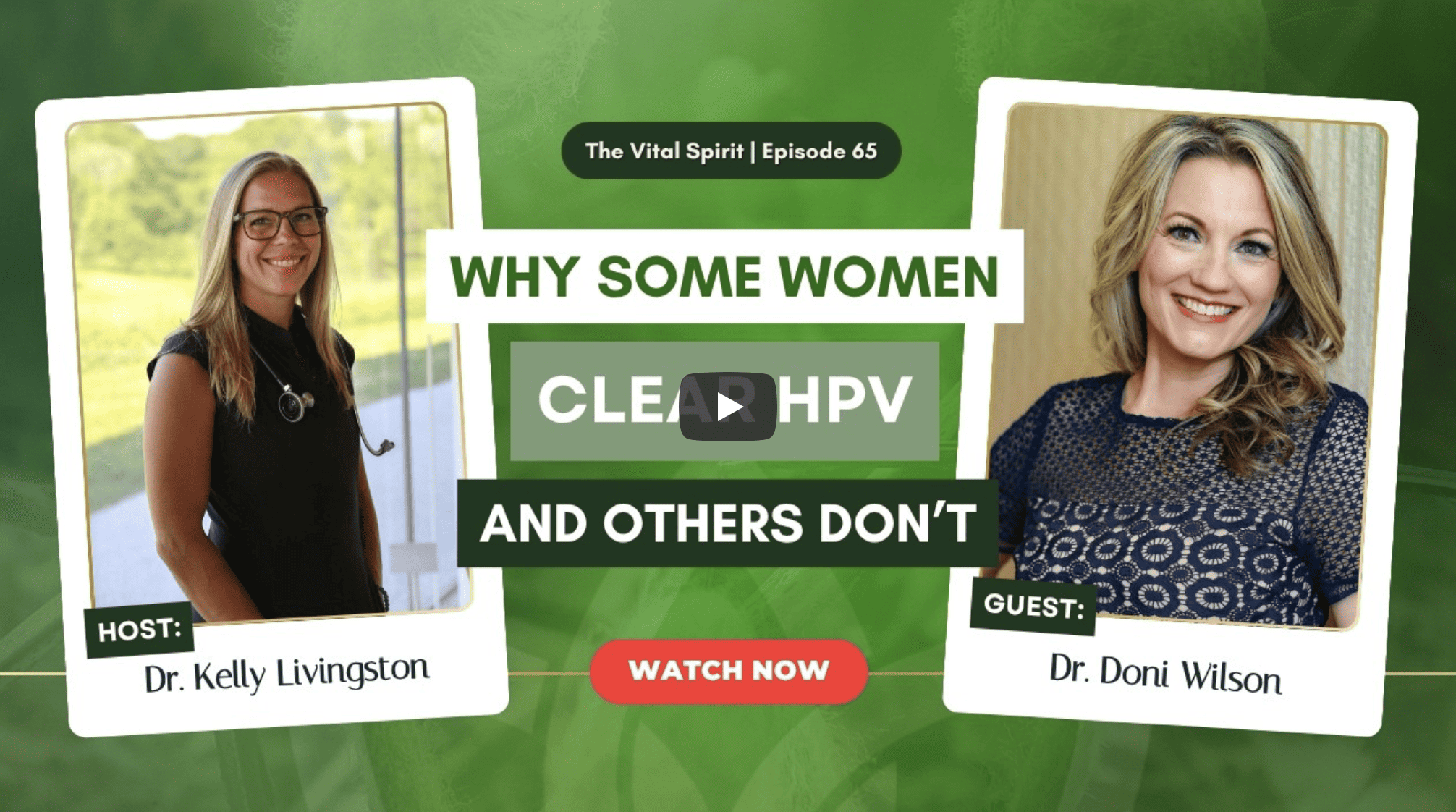
The Truth About HPV: Why Some Women Clear It and Others Don’t – Dr. Doni on The Vital Spirit Podcast
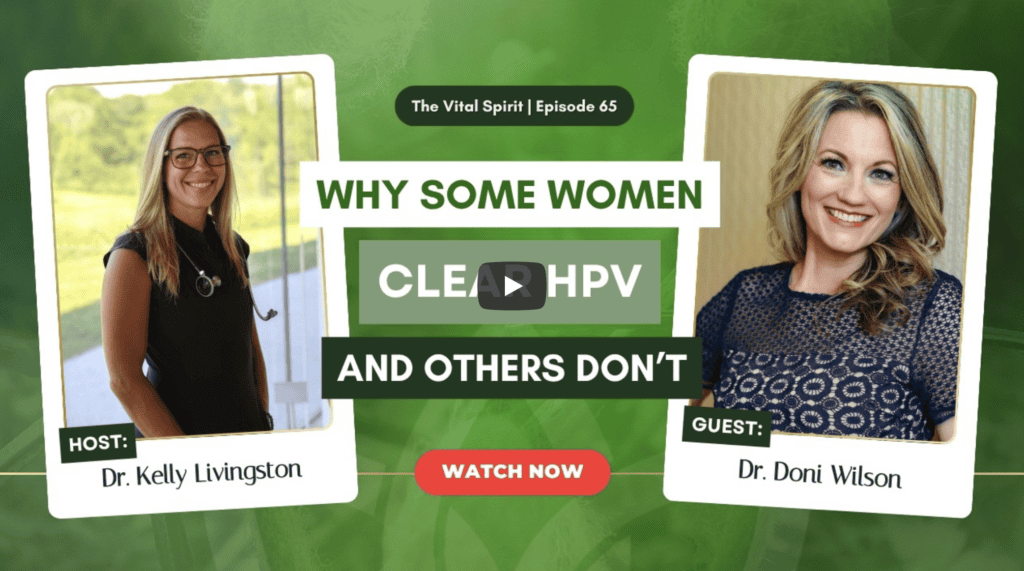
Dr. Doni was interviewed by Dr. Kelly Livingston on The Vital Spirit Podcast to talk about how we can clear HPV by addressing the root causes that made us susceptible to the virus in the first place.
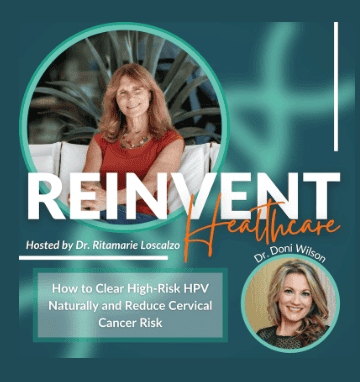
How to Clear High-Risk HPV Naturally and Reduce Cervical Cancer Risk – Dr. Doni on the Reinvent Healthcare Podcast
Dr. Doni was interviewed by Dr. Ritamarie Loscalzo on the Reinvent Healthcare Podcast to talk about what actually drives HPV persistence, why most women are told “there’s nothing you can do,” and how a terrain-based approach helps the body clear high-risk HPV and stay negative long term.
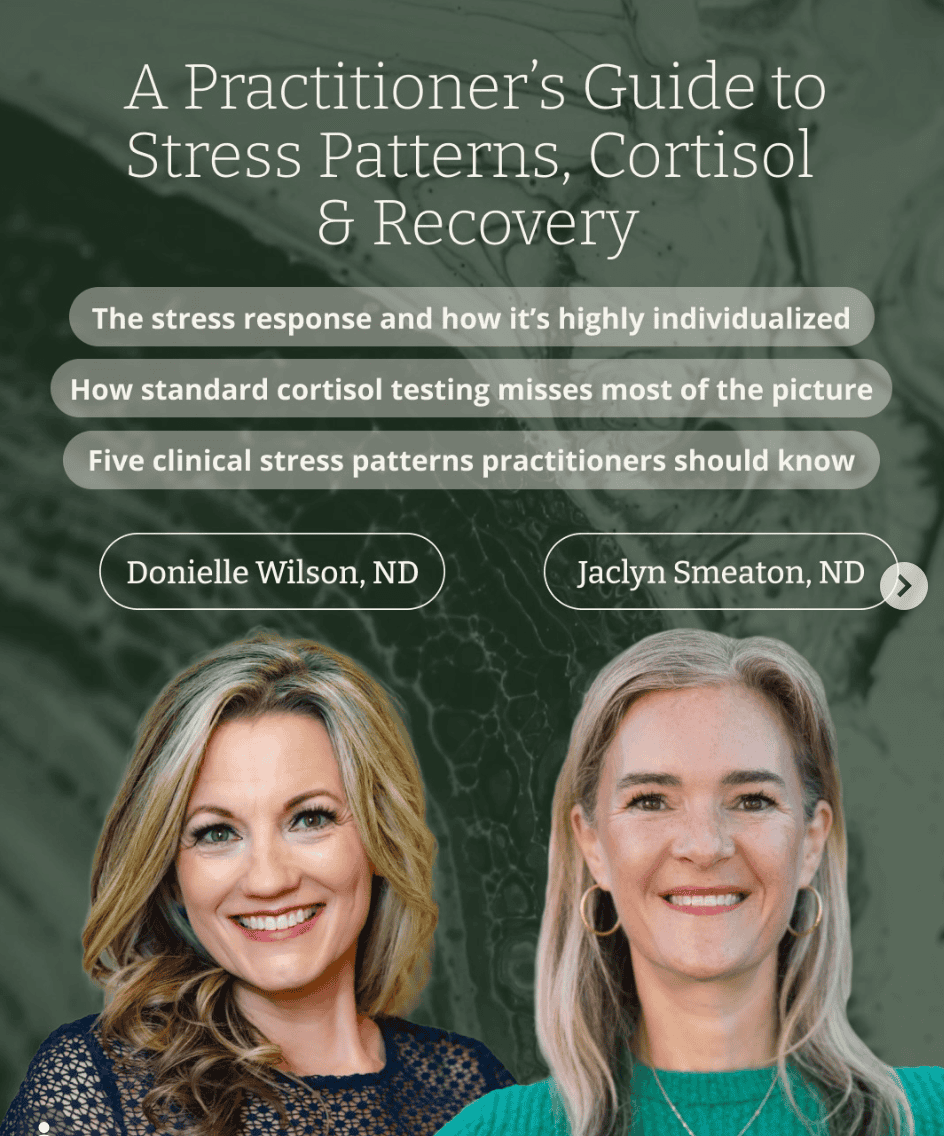
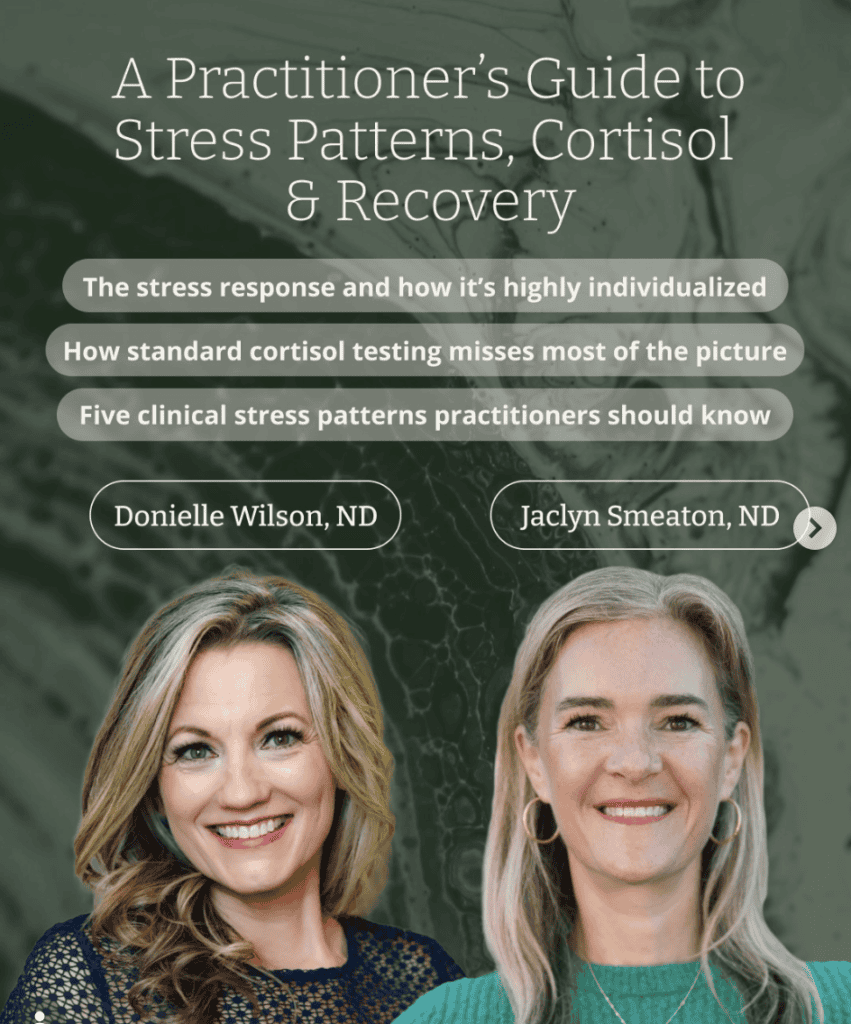
A Practitioner’s Guide to Stress Patterns, Cortisol & Recovery – Dr. Doni on The DUTCH Podcast
Dr. Doni was interviewed by Dr. Jaclyn Smeaton on The DUTCH Podcast to discuss Dr. Doni’s clinical philosophy, research findings, and personal journey around understanding and treating stress.
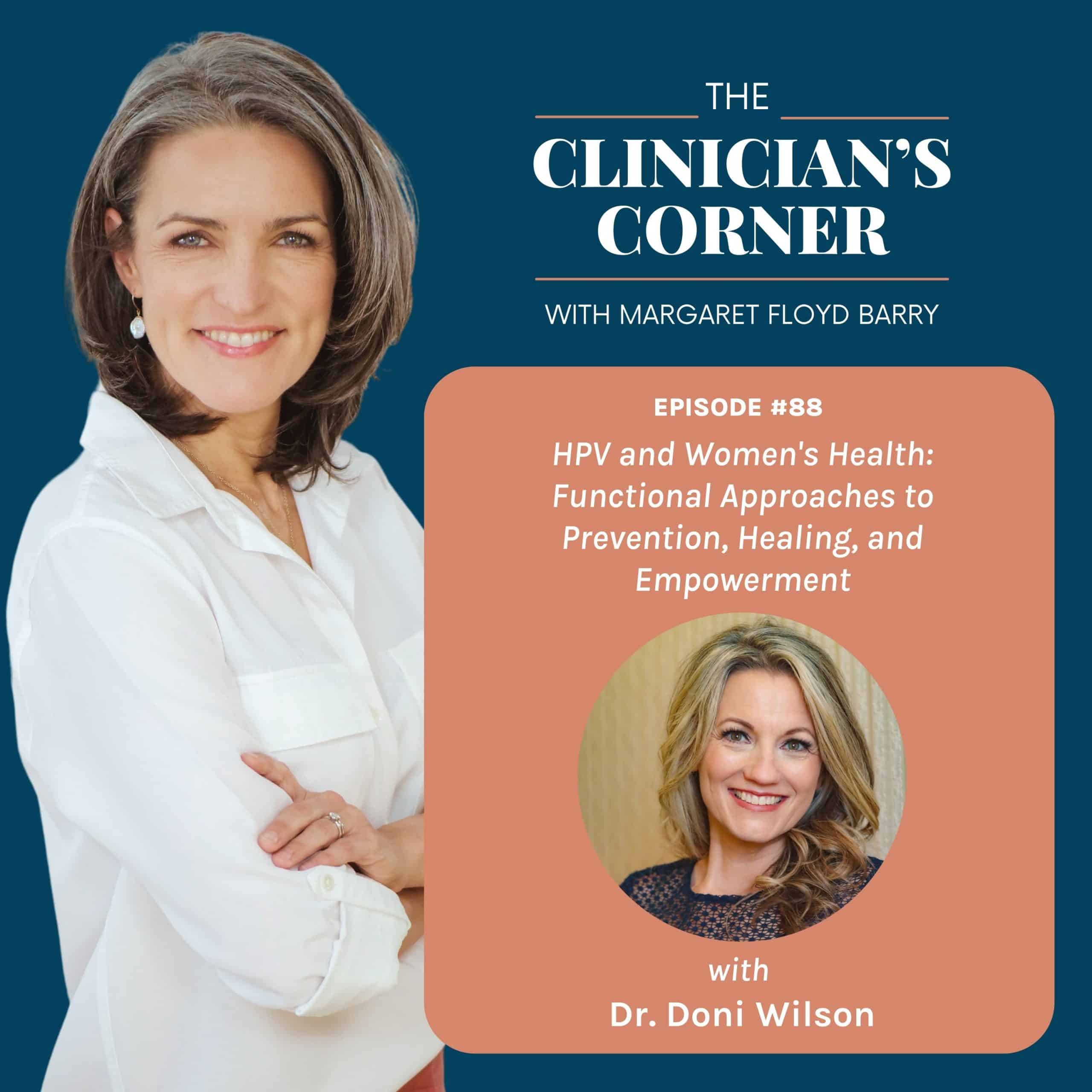
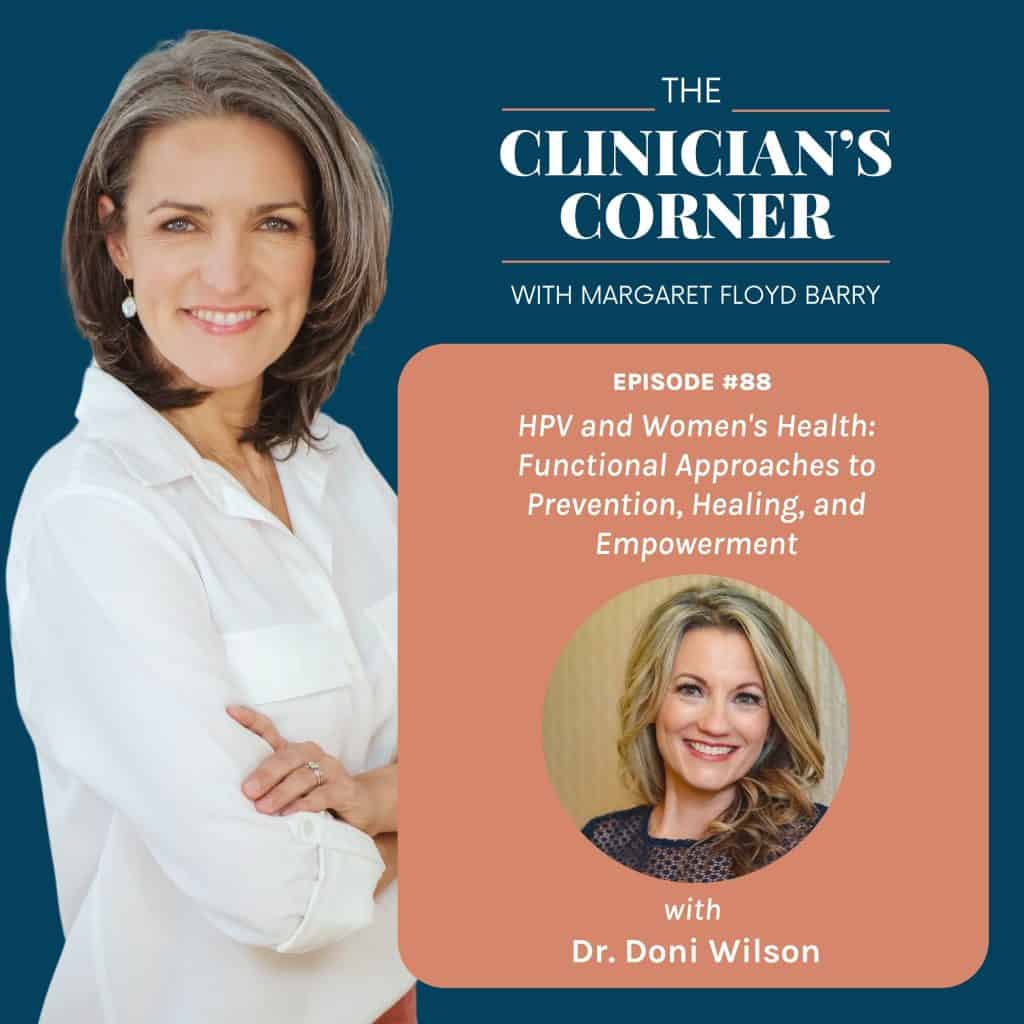
HPV and Women’s Health: Functional Approaches to Prevention, Healing, and Empowerment – Dr. Doni on “The Clinician’s Corner” Podcast
Dr. Doni was interviewed by Clinician Margaret Floyd Barry on “The Clinician’s Corner” Podcast to talk about how HPV isn’t just a women’s health issue, how stress and trauma can play a pivotal role in immune resilience, and the actionable strategies clinicians can implement to help their clients clear HPV naturally.