
Has your doctor recommended menopause hormone therapy (MHT) or what used to be called hormone replacement therapy (HRT)? Research over the past few years, particularly since 2023, has completely changed how both naturopathic and conventional medicine approach menopause.
There’s a lot to understand, so I’ll break it down as simply as possible. I want this to be your one-stop place to get informed and help you make the best decision possible for your overall health. This will never be a one-size-fits-all solution – everything needs to be individualized, monitored, and adjusted over time with a knowledgeable practitioner.
I’m Dr. Doni Wilson, a Naturopathic Doctor and Certified Professional Midwife with over 26 years in practice. I started learning about hormone therapy over 30 years ago in naturopathic medical school, so this is not a new topic for me. I’ve been helping women navigate their hormones for decades.
Understanding the Terminology: MHT vs HRT
Let’s start with terms, because confusion here makes everything harder. What was traditionally called hormone replacement therapy, or HRT, is now more accurately referred to as menopause hormone therapy, or MHT. Within MHT, we talk about estrogen therapy, progesterone therapy, and testosterone therapy as individual components.
The next key distinction is between bioidentical and synthetic hormones:
- Bioidentical hormones are chemically identical to what the human body naturally produces, and they are now the preferred form, even in standard medicine.
- Synthetic hormones, like Premarin and Provera, are not identical to what our bodies make and carry different risks, as I’ll explain.
Bioidentical hormones are available from pharmaceutical companies and compounding pharmacies. Pharmaceutical versions may contain added ingredients like peanut oil or parabens, so always check the “other” ingredient list. Compounding pharmacies can create cleaner formulations tailored to your sensitivities, though they are typically an out of pocket expense. Your choice depends on preference, sensitivities, and finances.
Building Your “Hormone Sandwich”
I like to think of MHT as building a sandwich. The bread represents systemic estrogen and progesterone or the foundation. The turkey in the middle is vaginal estrogen, which I recommend that most all women over 50 years old at least consider starting with this, even if you don’t have vaginal dryness. The lettuce and tomatoes are add-ons like testosterone and DHEA.
Vaginal estrogen, whether estradiol or the gentler estriol, matters not just for comfort, but for preventing bladder and vaginal infections, including high risk HPV (which is associated with cervical and vaginal cancer), even in women who are not sexually active.
The research is very convincing about its safety and benefits, and even women with a history of breast cancer should discuss this with their doctor. No matter your history, it is worth asking.
For systemic MHT, the preferred approach is transdermal estradiol, applied to the skin as a patch, gel, or cream, combined with oral bioidentical progesterone. Oral estrogen is generally not recommended because it passes through the liver and, especially over age 65, carries increased risk of stroke and blood clots. Transdermal estrogen bypasses the liver and avoids those risks.
Progesterone, on the other hand, is best taken orally, because its metabolites are neuroprotective and support sleep and prevent uterine growth associated with estrogen. If you’ve had a hysterectomy, you may not need progesterone.
A standard starting dose is 1mg of estradiol, or a 0.05 patch, alongside 100 mg of oral micronized progesterone. If estradiol increases to 2mg, progesterone increases to 200mg (they always need to match!). Start at a low dose and work up gradually to find what is optimal for your body.
Clearing Up the Breast Cancer Fear
The most common fear I hear is that estrogen causes breast cancer. This came from 2000–2001, when media reported on the Women’s Health Initiative study and what the researchers thought was a concern. In 2023, those same researchers acknowledged they had gotten it wrong. It was not estrogen that raised the breast cancer risk, it was the synthetic progestin, Provera.
Now, synthetic progestin is not recommended for MHT. Current formulations include bioidentical estrogen and progesterone. Bioidentical estradiol is not associated with increased breast cancer risk; some studies even suggest it may lower that risk. Bioidentical progesterone is similarly not linked to breast cancer.
Rather than fearing estrogen, we should recognize that estradiol actively helps protect against bone loss, and there are now studies showing it can help prevent heart disease and dementia as well.
The Critical Window Hypothesis
Current research supports what is called the critical window hypothesis: The first 10 years after menopause is the most important time to start MHT. This is when hormone therapy can most effectively prevent bone loss, heart disease, metabolic changes, and dementia.
Many women wait to begin hormones, and before they know it, a decade has passed. If you are within that window, now is the time to seriously consider it.
If you are past the 10-year window, you can still discuss options with a knowledgeable practitioner. The “healthy cell” perspective suggests that if your brain and body are still in relatively good health, without significant signs of neurological damage, you may still benefit from estradiol.
Every case is individual. Early menopause (whether surgical or natural, occurring in your 30s or 40s) makes it even more important to be proactive from the start.
Testosterone, DHEA, and What to Avoid
Once you are stable on estrogen and progesterone, you may consider adding testosterone. The main approved use for women is to improve libido, but emerging research also points to benefits for energy, mood, depression, and dementia prevention.
It is typically a low-dose compounding cream that requires a baseline blood test first. DHEA is another option, available over the counter at 5–10 mg, or by prescription in oral, topical, or vaginal forms.
I do not recommend pellet therapy, where hormones are implanted under the skin for several months, because it cannot be quickly discontinued if side effects arise.
Monitoring and Moving Forward
When you find the right dose, you should feel noticeably better: Improved sleep, energy, mood, joint pain, bone density, and heart and brain health. If something does not feel right, speak up and ask for a dose adjustment. Do not stay on something that is not working. Monitor your progress regularly through blood work and urine testing.
Every year I complete at least 20 to 30 hours of continuing education to bring you the most current information, because women deserve it.
If you would like to learn more about how you can navigate through menopause, address symptoms using natural approaches, the importance of recovery from stress to minimize symptoms and prevent future health issues, and all you need to know about choosing bio-identical hormones and having conversations with your practitioners about all this… you can learn more in my free Mastering Menopause Masterclass.

What I find in my practice – helping women for over 26 years – is that with proper support, beyond the standing testing to identify underlying causes and exactly what your body needs, you can maintain your health and vitality throughout menopause and beyond.
Remember, investing in your health is not selfish – it’s necessary. Women often arrive at mid-life having spent most of their time taking care of others and realize it is time to take care of you!
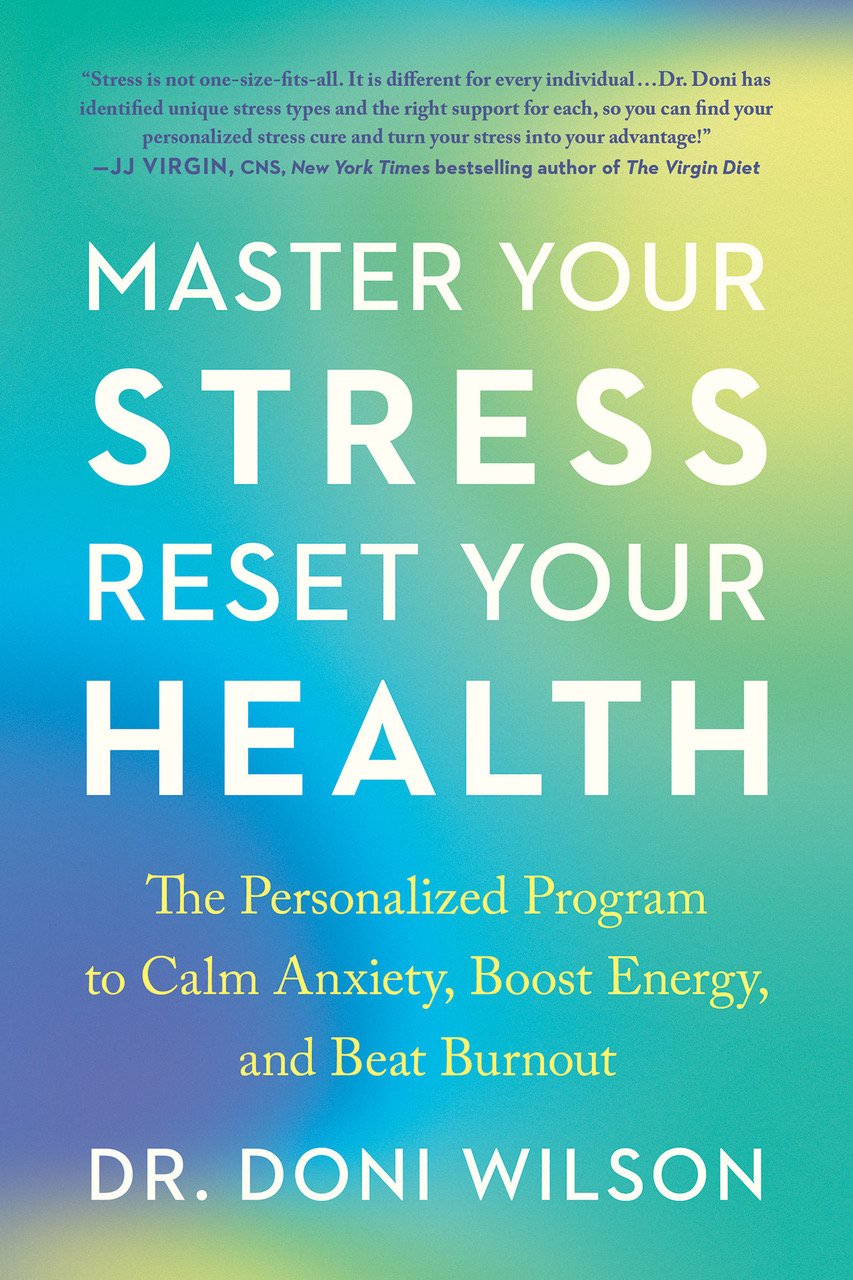
It is also important to know that it is possible to recover from stress and trauma and truly heal, because you’re not likely to hear that from your standard doctor’s office. Keep in mind, they are not educated about diet, exercise, supplements, or stress recovery. You can learn more about this in my latest book Master Your Stress, Reset Your Health.
I am living proof that it is possible to heal holistically and naturally. It’s possible to balance your hormones or to use bioidentical hormones safely and effectively, as well as to clear HPV and get a normal pap result, and to eliminate the effects of stress, trauma, anxiety and depression. I help patients with to do this in my practice every day – by phone and zoom, anywhere in the world. You can set up a one-on-one appointment here.
Once I meet with you one on one, we will create a strategic plan based on your health needs during menopause, including sessions with the health coach on my team to help guide you to implement my proprietary C.A.R.E. and Stress Mastery programs.
If you’re dealing with persistent HPV I welcome you to join my next FREE How to Get Rid of HPV online workshop where I help you to create a plan to get HPV out of your life for good. From there, you might choose to join the Heal HPV Kickstart Program, for the initial steps of my protocol, including diet changes and supplements, over the next 30 days.
Or you can begin with the comprehensive Say Goodbye to HPV Program, which is 3 months and includes everything you need to implement my full protocol and address all eight susceptibilities with live, group support, and access to testing and vaginal suppositories.

You can also go to clearhpvnow.com. There, you’ll find lots of resources and stories from women who’ve followed my protocol and cleared HPV to negative.
Thank you for joining me today for this episode of How Humans Heal. Make sure to follow and subscribe so you don’t miss the next one! You can access it on YouTube, Apple Podcasts, or wherever you prefer. You can also watch at doctordoni.com.
I look forward to connecting with you soon!
Dr. Doni

Social:
- Facebook: https://facebook.com/drdoniwilson
- Instagram: https://instagram.com/drdoniwilson
- Threads: https://threads.net/@drdoniwilson
- YouTube: https://youtube.com/DoniWilsonND
Subscribe:
- Weekly Wellness Wisdom (Newsletter): https://doctordoni.com/www
- How Humans Heal (Podcast): https://doctordoni.com/podcast
More Resources from Dr. Doni:
- Stress Type Quiz: Assess your Adrenal Function
https://doctordoni.com/quiz - Dr. Doni’s Book: Master Your Stress, Reset Your Health
https://doctordoni.com/book - Dr. Doni’s Facebook Group: Stress Warrior Stress Resiliency
https://facebook.com/groups/stresswarrior - HPV Recovery Guide (FREE)
https://doctordoni.com/ddpp/hpv-guide/ - FREE Masterclasses with Dr. Doni
https://doctordoni.com/masterclasses - FREE Guides from Dr. Doni
https://doctordoni.com/guides
Personalized Solutions:
- 14-Day Detox Program: You can start this transformation program anytime
https://doctordoni.com/detox-program - Say Goodbye to HPV (12-week Program): Begin the journey to freedom from HPV today!
https://doctordoni.com/say-goodbye-to-hpv - If you’d like to meet with Dr. Doni one-on-one for your health, request a Health Breakthrough Session: https://doctordoni.com/breakthrough
Disclaimer: This specific article and all other Content, Products, and Services of this Website are NOT intended as, and must not be understood or construed as, medical care or advice, naturopathic medical care or advice, the practice of medicine, or the practice of counseling care, nor can it be understood or construed as providing any form of medical diagnosis, treatment, natural HPV cure, or prevention of any disease.


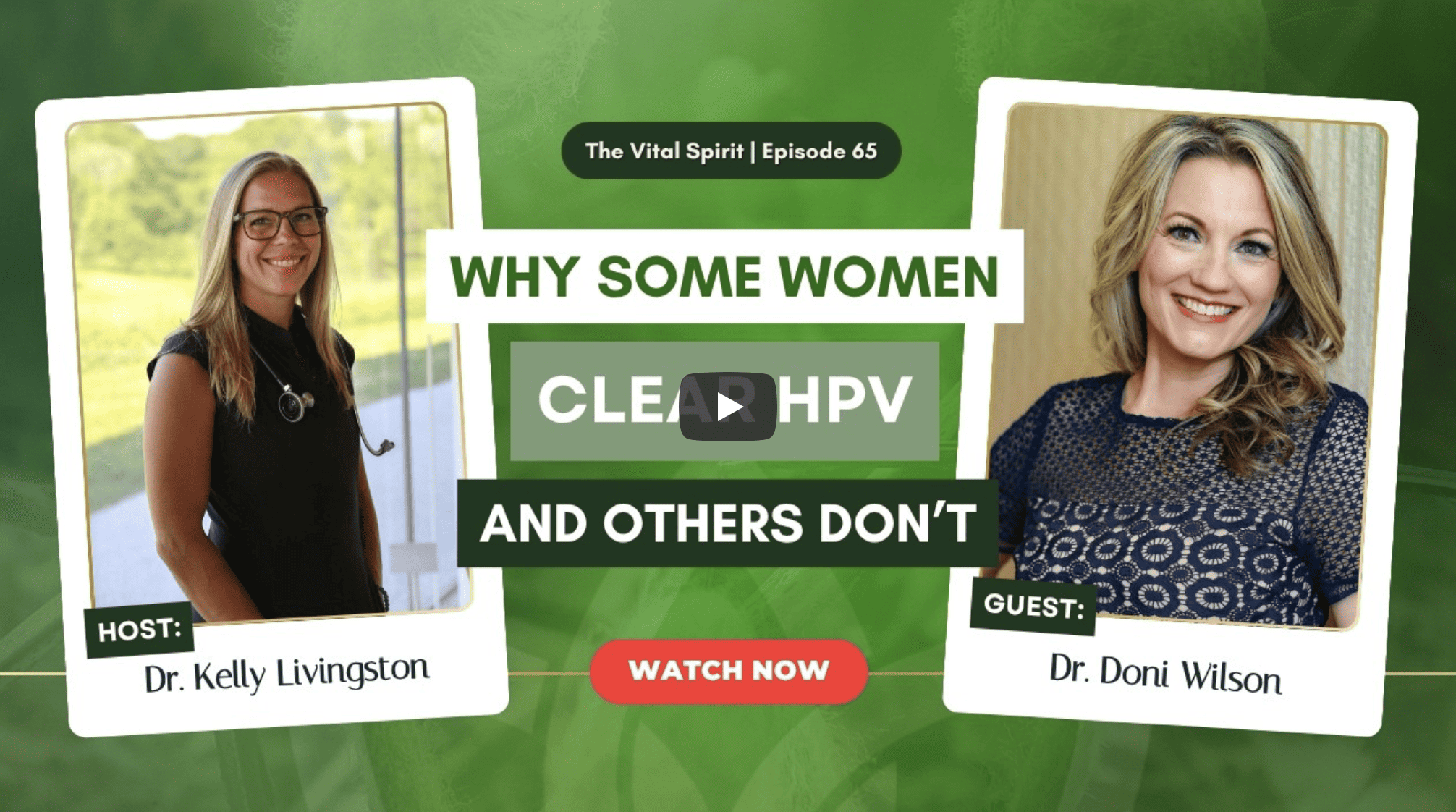
The Truth About HPV: Why Some Women Clear It and Others Don’t – Dr. Doni on The Vital Spirit Podcast
Dr. Doni was interviewed by Dr. Kelly Livingston on The Vital Spirit Podcast to talk about how we can clear HPV by addressing the root causes that made us susceptible to the virus in the first place.
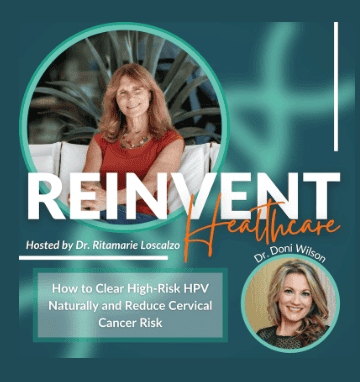
How to Clear High-Risk HPV Naturally and Reduce Cervical Cancer Risk – Dr. Doni on the Reinvent Healthcare Podcast
Dr. Doni was interviewed by Dr. Ritamarie Loscalzo on the Reinvent Healthcare Podcast to talk about what actually drives HPV persistence, why most women are told “there’s nothing you can do,” and how a terrain-based approach helps the body clear high-risk HPV and stay negative long term.
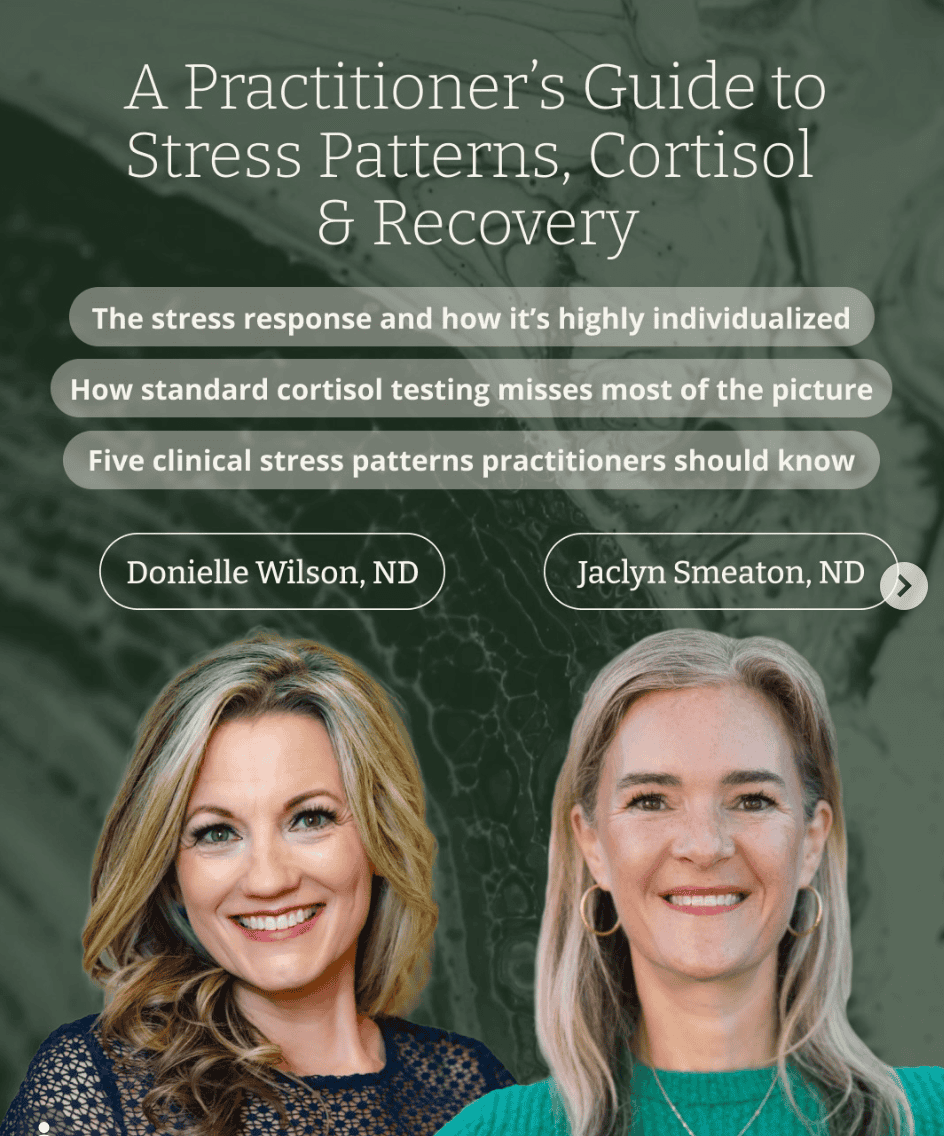
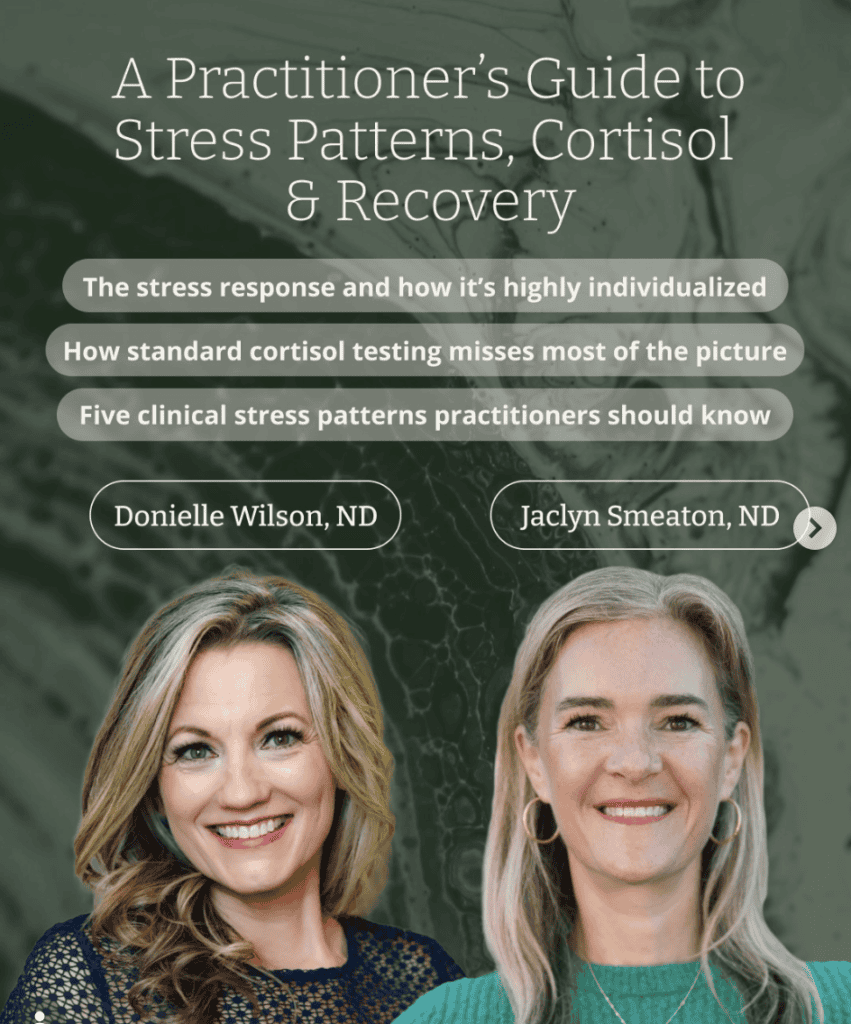
A Practitioner’s Guide to Stress Patterns, Cortisol & Recovery – Dr. Doni on The DUTCH Podcast
Dr. Doni was interviewed by Dr. Jaclyn Smeaton on The DUTCH Podcast to discuss Dr. Doni’s clinical philosophy, research findings, and personal journey around understanding and treating stress.
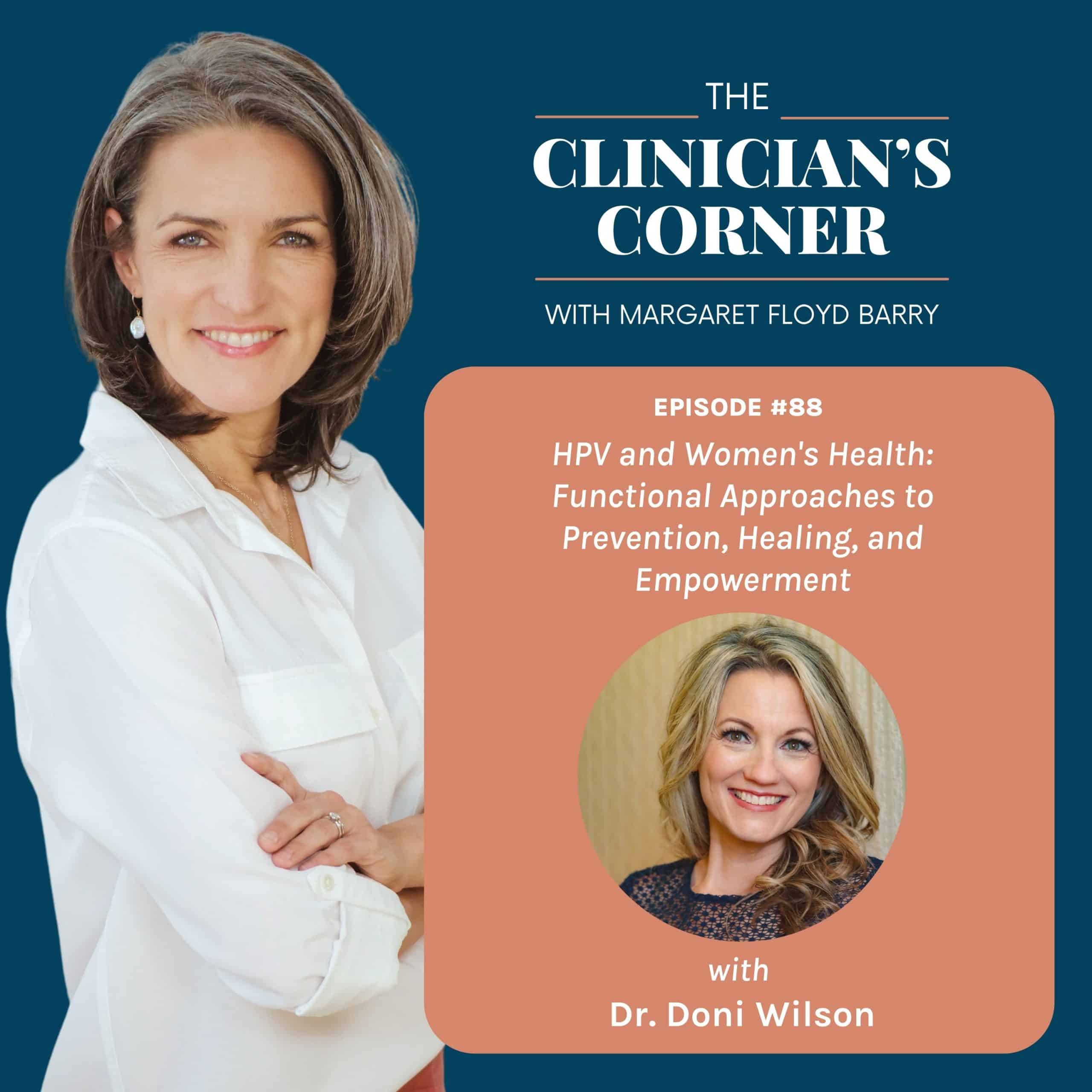
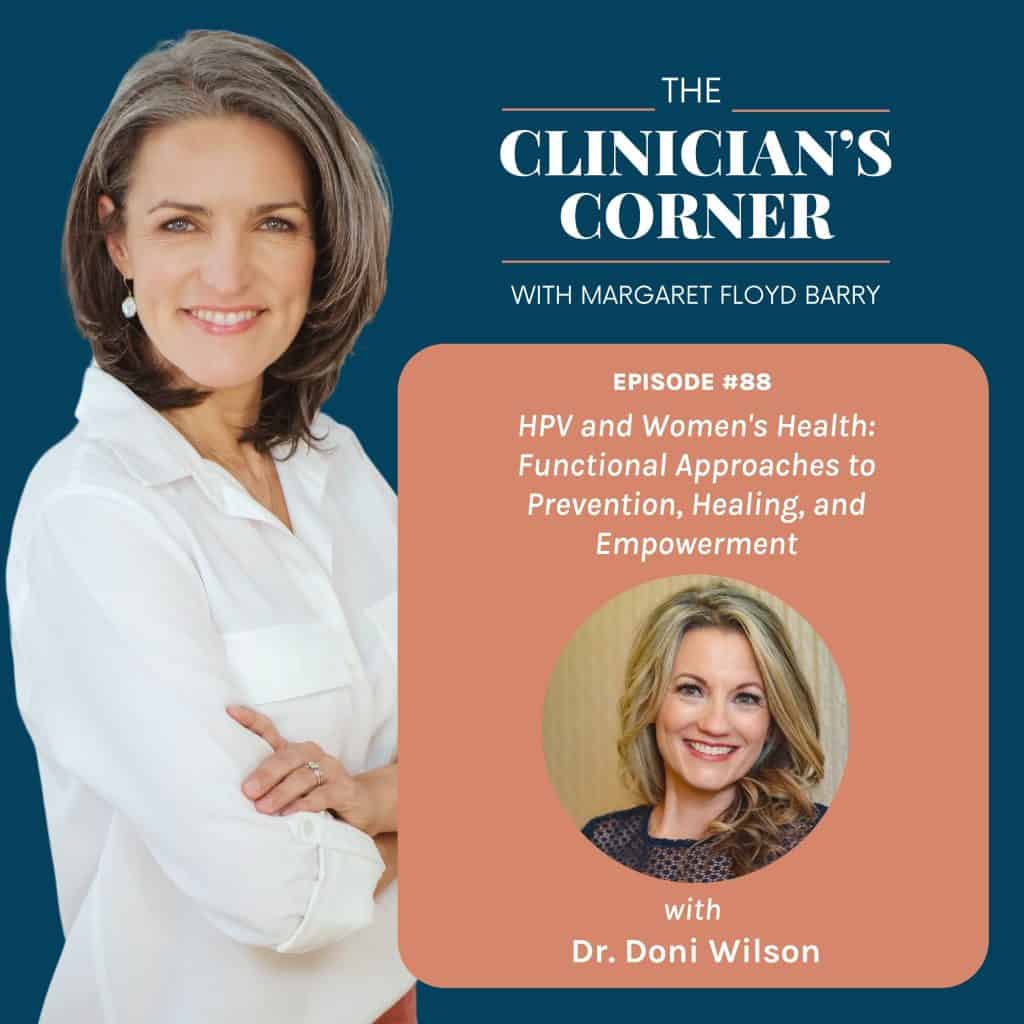
HPV and Women’s Health: Functional Approaches to Prevention, Healing, and Empowerment – Dr. Doni on “The Clinician’s Corner” Podcast
Dr. Doni was interviewed by Clinician Margaret Floyd Barry on “The Clinician’s Corner” Podcast to talk about how HPV isn’t just a women’s health issue, how stress and trauma can play a pivotal role in immune resilience, and the actionable strategies clinicians can implement to help their clients clear HPV naturally.