
The pelvic floor is usually something we think of around pregnancy, but it’s worth looking at all aspects of pelvic floor health. Your whole body is a system and everything works together.
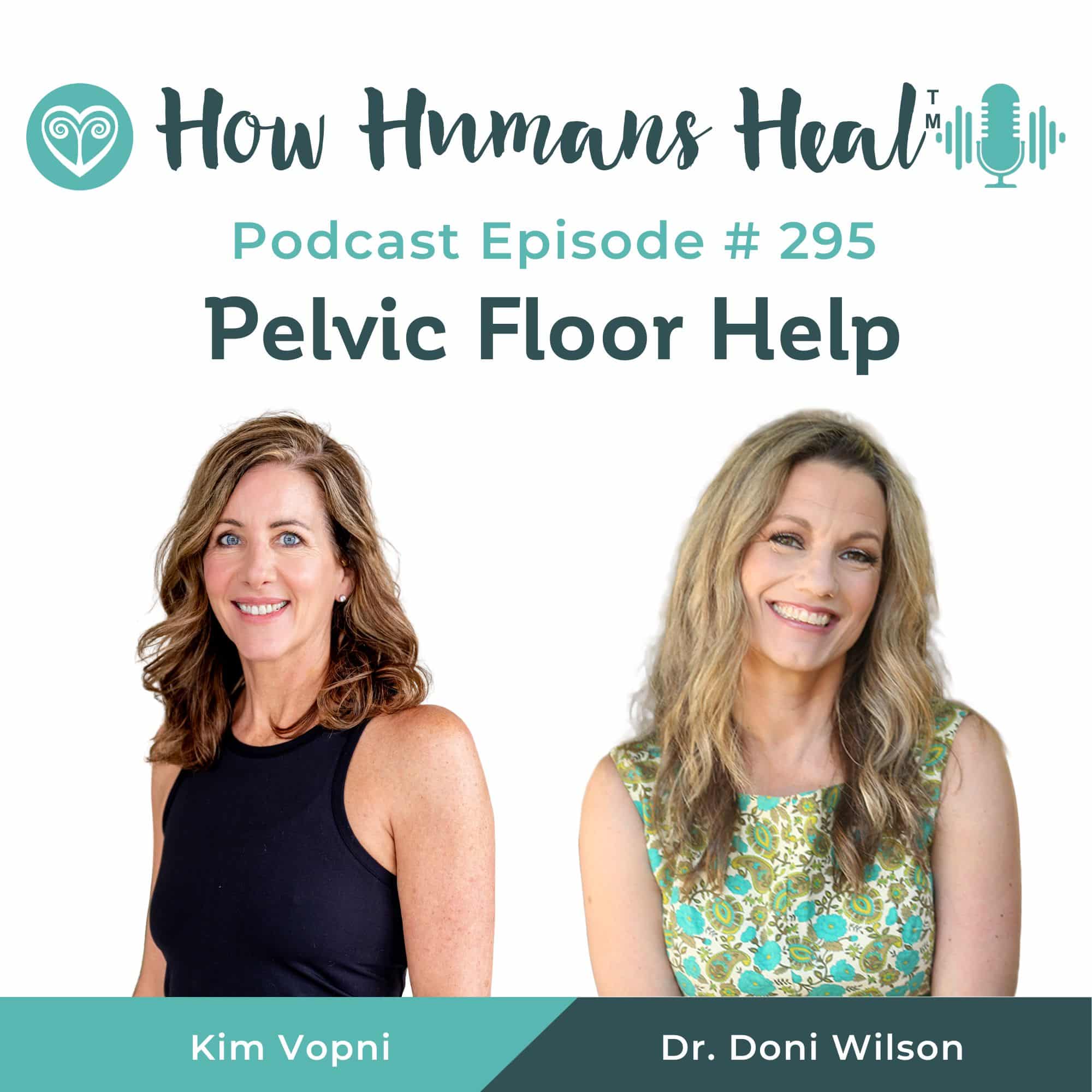
With that, let me introduce you to Kim Vopni. She’s a certified fitness professional and menopause support practitioner known as the Vagina Coach. She helps women with their pelvic floor and vaginal health, and I’m so excited to get to talk about this with you today.
Kim’s Journey to Becoming the Vagina Coach
Kim has been helping women in this way for over 21 years now. Just like me – I’ve been helping women with their health for 25 years, and it’s a beautiful thing. Women need support with their health in general, definitely with menopause, and absolutely with vaginal health.
This is not something Kim grew up thinking she’d do. She didn’t even know the term pelvic floor when she was younger. But the journey stemmed from her experience with childbirth. She saw a childbirth video in sixth grade that planted a seed of fear but also fascination. She grew up thinking she would never have children.
Then she met her now husband. His brother and sister-in-law invited them to witness their birth, and that was the first time she had seen anything different from what we typically see in the media. You know, being on your back with your knees at your ears and somebody counting while you hold your breath and scream. Observing a home birth experience was very empowering. It was a real turning point for Kim.
The following year, she was pregnant herself and wanted to do everything her sister-in-law did so that she wouldn’t tear or have an episiotomy or the issues her mom had postpartum. Her midwives recommended a product called the Epi-No, which stands for no episiotomy. It’s a manual product manufactured in Germany, inspired by women in Africa who use gourds of increasing size to prepare their pelvic floor for birth. As a personal trainer and fitness professional, she embraced preparing for childbirth as a physical event. She used this product, had a great experience, and asked if she could be a distributor in Canada.
Fast forward a couple of years, she was laid off from her full-time job and had started an e-commerce online store for pelvic health as a side gig. All of a sudden, she turned all her focus to supporting women with pelvic health. That was over 21 years ago.
From Pregnancy to Postpartum to Menopause
Originally, Kim’s work was focused on pregnant women with the intention of educating them about the pelvic floor before they gave birth because we know that pregnancy and childbirth do quite a number on the pelvic floor.
Then it became clear that the postpartum recovery aspect was very overlooked. Women were being helped to prepare, but then they were sprinting back to the gym at one or two weeks postpartum. There was no recovery period that was even discussed. It just wasn’t part of our culture. It’s so unfortunate that women don’t know that they need to do pelvic floor recovery exercises after birth.
A second business called Bellies Inc was started, taking inspiration from many cultures around the world that really honor postpartum recovery, particularly the first 40 days. Kim manufactured her own postpartum wrap and designed a postpartum recovery program that was very pelvic floor centric.
She was juggling those two businesses for a while, and then when going through perimenopause herself, she changed her focus again.
The whole conversation around menopause has opened up an opportunity to support women in an important time of their lives. It is another time in women’s life when we need to pay attention to the pelvic floor. Now, the bulk of the work she does is helping women in peri or post menopause.
Usually, it’s during perimenopause and post-menopause that pelvic health issues start to get worse, or if they haven’t had any issues, they will start to show up during that time. It’s a time when women are fed up if they’ve been dealing with symptoms. Women start to think: “okay, it’s time for me. My kids are grown. I’ve got more time. I have more money now. I’m going to prioritize myself.” The hope is to flip that script a little bit.
When Kim was speaking to a group of women entrepreneurs one time, every speaker was some sort of business coach. That’s when she started calling herself the “vagina coach.” That was about eight years ago.
Dr. Doni shares: as a Women’s Health expert, I completely agree that pelvic floor health is extremely important. I was a doula before becoming a midwife. It’s so interesting to hear Kim’s story because I was also inspired by observing women in labor. It led me to know that I wanted to help women as a midwife and through other phases of Women’s Health. It’s a beautiful thing to be able to support women in this way.
Many women need help with pelvic floor and vaginal issues and there’s not enough help out there. First of all, we tend not to even talk about the vagina. We tend not to ask for help. Women go through a lot of pain and discomfort and don’t even know that there is someone to ask for help with vaginal health issues.
Kim and I both are here saying – listen, if you’re struggling, there’s help.
The Most Common Symptoms Women Experience
When women reach out for help, what are some of the most common symptoms they’re dealing with?
The most common is incontinence, so urinary issues. That could be stress urinary incontinence where they leak a little bit of urine with a laugh, cough, sneeze, jump, or exercise. Or urgency, where they feel a sudden urge and have to run to the bathroom quickly.
Sometimes they don’t make it, which is called urge incontinence. They could have a combination of the two, called mixed incontinence. They could be waking up at night to pee, which is nocturia. They could be peeing very frequently throughout the day. All of these are signals that the bladder and the pelvic floor are not functioning optimally.
When it comes to the vaginal tissue and the lining, we’re seeing a lot of dryness, a lot of painful sex. Some women are seeing discharge, a change in the smell, burning, itching, irritation, recurrent UTIs, and recurrent yeast infections. These are all signals that something is not optimal with the vaginal landscape.
When we’re looking at the pelvic floor muscles themselves, we’re seeing a lot of pain. That pain can be with sex. It can be general chronic pelvic pain. It can be pain with sitting, with standing, with exercising. It can be painful cramping with menstruation. That’s what the bulk of people are experiencing when they start looking for help.
There’s also prolapse, where the organs are descending into the vaginal canal. It could be the bladder, which is called a cystocele. It could be the bowel, which is called a rectocele. It could be the uterus, which is a uterine prolapse. Or it could be the top of the vagina after you’ve had a hysterectomy, which is called a vaginal vault prolapse.
Most people are unaware that they have a pelvic floor. They don’t even know what that is until they’ve got an issue. Then they start Googling and finding all this information, and it can feel very isolating and scary.
A lot of people will be dealing with symptoms for sometimes years before they actually reach out for help because they feel ashamed or embarrassed, or they think it’s normal, or maybe they’ve been told it’s normal and there’s nothing they can do about it.
So when people are ready to get help, they’re usually at a point where they’re fed up, they’re frustrated, they want to do something about it, and they often don’t know where to start. That’s why the Buff Muff Method and the Buff Muff community were created.
Understanding How the Pelvic Floor Works
The pelvic floor is a hammock-like group of muscles that sits at the base of our pelvis. It goes from the pubic bone at the front to the tailbone at the back and from sit bone to sit bone side to side.
There are three layers of muscles that make up the pelvic floor, and they work together to support our pelvic organs, to control our bladder and bowel function, and to contribute to sexual function and pleasure. They also work with our core muscles to support our spine and our posture.
When the pelvic floor muscles are functioning optimally, they’re able to contract and relax appropriately. They’re able to respond to changes in pressure in our abdomen, like when we cough or sneeze or jump or laugh. They’re able to support our organs so they don’t descend. They’re able to help us control when we pee and poop. They’re able to help us have pleasurable sex without pain.
When the pelvic floor muscles are not functioning optimally, we can experience all of those symptoms that we talked about earlier. The thing is, the pelvic floor muscles can be too weak, or they can be too tight. Both of those scenarios can lead to symptoms. A lot of people think, oh, I just need to do Kegels, I just need to strengthen my pelvic floor. But if your pelvic floor is already tight, doing Kegels is actually going to make things worse. That’s why it’s so important to understand what’s going on with your specific pelvic floor before you just start doing exercises.
It’s recommended that everybody see a pelvic floor physical therapist to get an assessment so you know exactly what’s going on with your pelvic floor. Are your muscles weak? Are they tight? Do you have good coordination? Are you able to relax them properly? Once you know that information, then you can do the right exercises for your specific situation.
This is such an important point because so many women are just told to do Kegels, and that’s not always the right answer.
The Buff Muff Method Explained
Kim created the Buff Muff Method. The Buff Muff Method is a comprehensive program that looks at all aspects of pelvic floor health. It’s not just about doing Kegels. It’s about looking at your whole body and how everything works together.
The program starts with posture because your posture has a huge impact on your pelvic floor function. If you’re standing or sitting in a way that’s not optimal, it puts pressure on your pelvic floor and makes it harder for it to function properly.
Then there’s breathing. Most people don’t realize that how you breathe has a direct impact on your pelvic floor. When you breathe in, your diaphragm descends and your pelvic floor should relax and descend slightly. When you breathe out, your diaphragm rises and your pelvic floor should lift and contract. This is called the core breath, and it’s foundational to pelvic floor health.
From there, pelvic floor activation and coordination exercises are layered in. Making sure you’re able to contract your pelvic floor muscles properly and that you’re able to relax them properly. Then movement and functional exercises are added. Looking at how your pelvic floor functions when you’re doing everyday activities like walking, lifting, bending, and exercising.
The program also addresses lifestyle factors like hydration, nutrition, bowel habits, and stress management. All of these things have an impact on your pelvic floor health.
Estrogen and Pelvic Floor Health
There’s also a lot of conversation about vaginal estrogen because estrogen is so important for the health of the vaginal tissue and the pelvic floor muscles.
When estrogen levels drop during perimenopause and menopause, it can lead to thinning of the vaginal tissue, dryness, painful sex, and weakening of the pelvic floor muscles. Using vaginal estrogen can make a huge difference in how women feel.
Almost everybody should be using vaginal estrogen once they’re in perimenopause and beyond. It’s one of the most effective things you can do for vaginal and pelvic floor health.
Unfortunately, a lot of women are afraid of using it or don’t know about it. There’s a lot of misinformation out there about hormone therapy. But vaginal estrogen is very safe and very effective. It’s applied directly to the vaginal tissue, so it doesn’t have the same risks as systemic hormone therapy.
Every woman should be talking to their healthcare provider about vaginal estrogen if they’re experiencing any vaginal or pelvic floor symptoms.
Real Results and Success Stories
The results that women are seeing from the Buff Muff Method are really incredible. Women often see a difference even within a week or two of starting the program.
Kim shares her own personal story as an example. She experienced stress urinary incontinence after the birth of her second child, even though she didn’t have any tearing and had been doing Kegel exercises. She thought, wait a minute, how did that happen? That was kind of the start of taking additional training to understand pelvic function and then applying fitness principles to it.
Kim also experienced prolapse. She had a stage two uterine prolapse and a stage two rectocele, where the bowel bulges in the back wall of the vagina. These became apparent during her period of menopause transition before she knew what perimenopause was.
One thing that had changed drastically for her was pooping. All of a sudden, she was constipated and hadn’t changed anything. She’d been straining, and that led to the development of two types of prolapse.
She was able to reverse the uterine prolapse with a technique called hypopressives. That’s something she teaches, not in the introductory Buff Muff Method, but in her full membership program. You can also Google hypopressives or low-pressure fitness. There are lots of resources online for that.
It took about two to three months, and she was able to reverse the stage two uterine prolapse. The rectocele was different. She tried everything and lived with it for nine years, and nothing was changing with that. She was really struggling with bowel movements, and it was really starting to influence her quality of life. She got to the point where she decided her best option was surgery.
Anybody who is thinking of surgery or thinking that’s the only option should know that while surgery is an option, it should never be your first line of defense. Everything that we talk about here, everything in the Buff Muff Program, is all your prerequisite, your prehab.
By following the Buff Muff Method, many people are able to cancel their surgeries. If you do it and it still doesn’t move the needle like it didn’t with Kim’s rectocele, surgery may be your best decision. But now you would have done your prehab, and everything you’ve done is going to help you during rehab and for ongoing support. It’s like brushing and flossing your teeth. You’re going to use everything you learned to help yourself recover from surgery and maintain.
There’s no harm in doing pelvic floor therapy. You might as well get started. It’s even more important after surgery because now you have scar tissue. You’ve had a change to the landscape.
Kim continues to use pelvic floor exercises every single day to make sure she poops well, and gets her posture in check. She does her Buff Muff exercises, her hypopressives, and she will continue to. She uses vaginal estrogen and will do that for the rest of her life. She’s 54, and four years post-menopause.
Kim shares another story of a client who came to her at age 65. She had never been pregnant before, obviously never given birth before, and was post-menopause by 15 years.
She was dealing with chronic back pain, urgency, and stress incontinence. She loved walking and loved golf, but the symptoms were starting to interfere with her golf game and her life. She would pee before she left the house, pee at the golf course, and pee at the 9th hole. She was planning everything around bathroom visits and dealing with the pain.
She worked on the fundamentals of the Buff Muff Method, looking at posture, getting the core breath going, the pelvic floor activation with the right cue, layering in some movement, seeing a pelvic floor physical therapist, and starting on vaginal estrogen. She went home for about a month and a half, did the exercises, came back, and there was about a 50 to 60 percent reduction in her symptoms.
Then at three months, she came back for a second visit, went back and did all the things at home. After another three months, she sent a message that’s now one of the testimonials on Kim’s website. She no longer was wearing pads. She no longer pland her life around the bathroom. She has no more back pain. She has freedom and confidence back again that she had lost. She doesn’t have to worry about finding a bathroom, or any of the little chatter that happens in our brain.
There have been people who cancel surgeries. People who now sleep through the night because they’re no longer waking up three or four or five times a night. People who had painful sex get back to painless sex. People with constipation now poop well. All sorts of things.
The stories are incredible, and the goal is to change the world one pelvic floor at a time, 100 percent of the time.
The Buff Muff Community and Getting Support
In the Buff Muff community, there are hundreds of women just like you. There are coaching calls where you can come and see, oh my gosh, I’m not alone in this. Even if you are a fly on the wall and you hear all the other questions being asked, you’re going to learn something. Maybe the question you’ve had, somebody else has too. So it’s a really nice way for people to feel supported, feel like they’re not alone, and get answers to questions that they have.
It’s so amazing that this community has been created for women to be able to not feel alone, to get support, and to not be ashamed. To be able to say, hey, this is just part of having a human body. Let’s figure this out together. And yes, I’m completely on board with the mission of changing vaginal health for women and saying, hey, wow, what a relief to be able to go through your life and not have to be constantly dealing with this in the background. That alone is reason to say, hey, I’ve got to start taking steps in this direction.
Let’s start getting this on our priority list so that you can have freedom to do what you really want to be doing and not have to be in pain or dealing with these pelvic floor issues, no matter what your age and no matter what your situation. It’s never too late.
If you want to learn more about Kim you can find her online through her podcast Between Two Lips, her website at vaginacoach.com and on Instagram @vaginacoach or Facebook @Vagina Coach. You can find The Buff Muff Method at www.buffmuff.com.
Note from Dr. Doni
Wow, pelvic floor health and vaginal health is SO important! I’m so glad to be bringing attention to this area of women’s bodies, and the options that exist to help women get out of pain and discomfort.
Pelvic floor health is also extremely important for women who are facing high risk HPV virus. HPV can cause abnormal cells on the cervix or vaginally, and that can develop into cancer. I specialize in helping women to address HPV so they can prevent it from getting worse or recurring.
When the pelvic floor is weak or too tight, as I discussed with Kim in this episode, it can increase the risk of infections, including high risk HPV. That’s why it is essential for all women who have an abnormal Pap and HPV to be addressing their pelvic floor health.
You can begin with Kim’s Buff Muff Method – find the info above. And this is also something I teach in my Say Goodbye to HPV Program, starting with breath and movement. I also teach about the use of vaginal estrogen to support vaginal health and to prevent high risk HPV.
There are so many overlaps an synchronicities with what Kim and I do to support women with their pelvic health. I’m tickled to work in parallel with her to change women’s lives.
Whenever struggling with any health issue, we need to consider what is underlying, and that is also true for your pelvic floor health. If we don’t address the underlying causes, the issue can recur over and over again.
Common underlying causes of women’s health issues include hormone imbalances (thyroid, estrogen, insulin, cortisol, and more), digestive issues (microbiome imbalances and leaky gut), toxicity from mold and other environmental toxins, as well as stress and trauma.
It’s important to work with a practitioner who can help you look deeper to uncover what is really leading to your health issue so that you are able to finally break the pattern. And that’s exactly what I do in my one-on-one practice, and group programs.
If you’re dealing with HPV, I welcome you to join me over on Instagram @drdoniwilson and on my website at clearhpvnow.com. You can download my free HPV Recovery Guide and watch videos of women who’ve implemented my HPV Protocol and found freedom from high-risk HPV. I want for you to feel hope that you can heal too.
If you have any questions, please don’t hesitate to reach out to my office. My team and I would be happy to connect with you and help you know what your next best step is to free yourself from HPV. Click here to set up a call with my team.
If you’d like to get a better sense of my approach, I welcome you to join my next free How to Get Rid of HPV online workshop where I help you to create a plan to get HPV out of your life for good.
From there, you might choose to join the Heal HPV Kickstart Program, for the initial steps of my protocol, including diet changes and supplements, over the next 30 days.
Or you can begin with the comprehensive Say Goodbye to HPV Program, which is 3 months and includes everything you need to implement my full protocol and address all 8 susceptibilities with live, group support, and access to testing and vaginal suppositories.

Thank you, everyone, for listening in to How Humans Heal and learning all about pelvic floor health from Kim. If you don’t already subscribe, I welcome you to subscribe so you don’t miss the next episode.
We’re here to help you!

Social:
- Facebook: https://facebook.com/drdoniwilson
- Instagram: https://instagram.com/drdoniwilson
- Threads: https://threads.net/@drdoniwilson
- YouTube: https://youtube.com/DoniWilsonND
Subscribe:
- Weekly Wellness Wisdom (Newsletter): https://doctordoni.com/www
- How Humans Heal (Podcast): https://doctordoni.com/podcast
More Resources from Dr. Doni:
- Stress Type Quiz: Assess your Adrenal Function
https://doctordoni.com/quiz - Dr. Doni’s Book: Master Your Stress, Reset Your Health
https://doctordoni.com/book - Dr. Doni’s Facebook Group: Stress Warrior Stress Resiliency
https://facebook.com/groups/stresswarrior - HPV Recovery Guide (FREE)
https://doctordoni.com/ddpp/hpv-guide/ - FREE Masterclasses with Dr. Doni
https://doctordoni.com/masterclasses - FREE Guides from Dr. Doni
https://doctordoni.com/guides
Personalized Solutions:
- 14-Day Detox Program: You can start this transformation program anytime
https://doctordoni.com/detox-program - Say Goodbye to HPV (12-week Program): Begin the journey to freedom from HPV today!
https://doctordoni.com/say-goodbye-to-hpv - If you’d like to meet with Dr. Doni one-on-one for your health, request a Health Breakthrough Session: https://doctordoni.com/breakthrough
Disclaimer: This specific article and all other Content, Products, and Services of this Website are NOT intended as, and must not be understood or construed as, medical care or advice, naturopathic medical care or advice, the practice of medicine, or the practice of counseling care, nor can it be understood or construed as providing any form of medical diagnosis, treatment, natural HPV cure, or prevention of any disease.




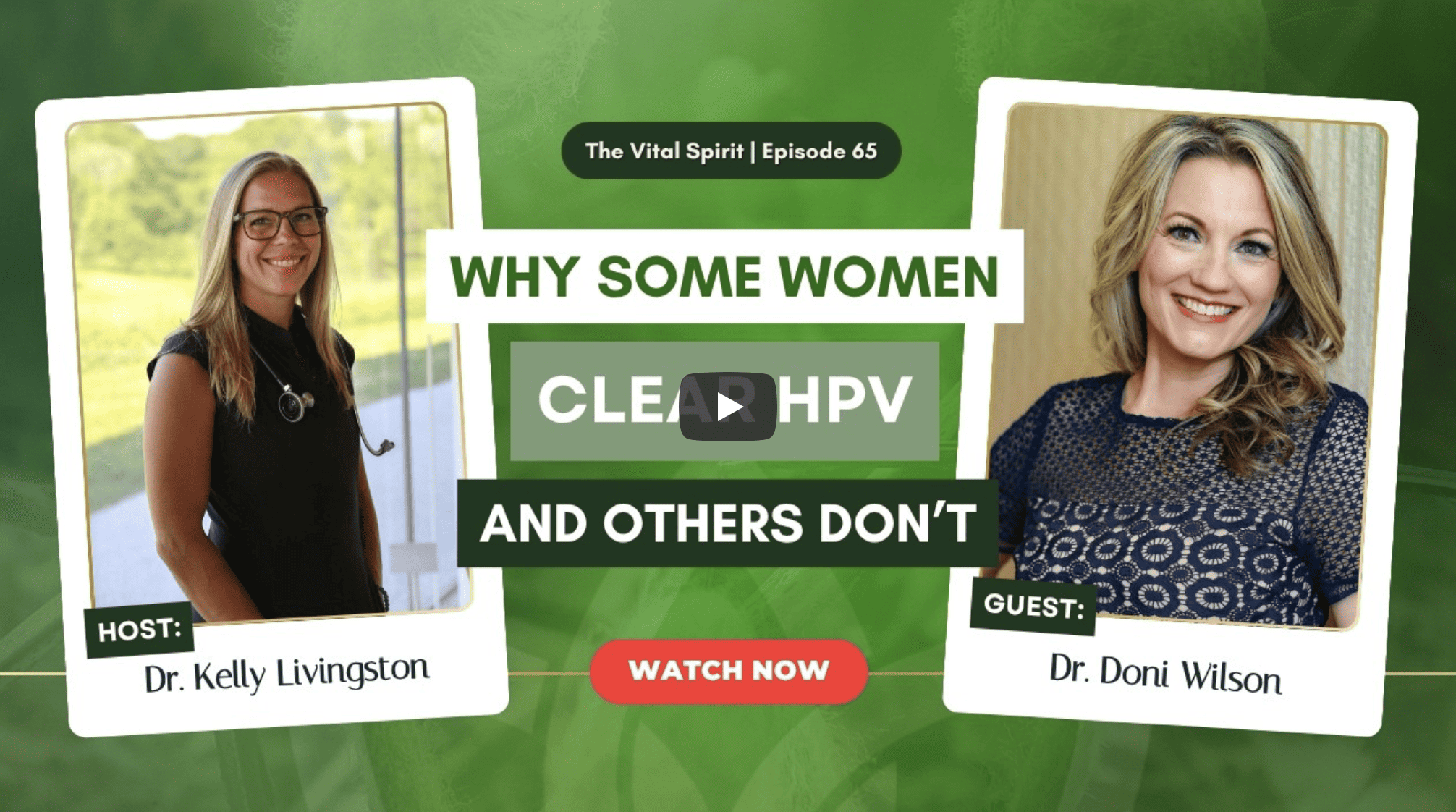
The Truth About HPV: Why Some Women Clear It and Others Don’t – Dr. Doni on The Vital Spirit Podcast
Dr. Doni was interviewed by Dr. Kelly Livingston on The Vital Spirit Podcast to talk about how we can clear HPV by addressing the root causes that made us susceptible to the virus in the first place.
How to Clear High-Risk HPV Naturally and Reduce Cervical Cancer Risk – Dr. Doni on the Reinvent Healthcare Podcast
Dr. Doni was interviewed by Dr. Ritamarie Loscalzo on the Reinvent Healthcare Podcast to talk about what actually drives HPV persistence, why most women are told “there’s nothing you can do,” and how a terrain-based approach helps the body clear high-risk HPV and stay negative long term.
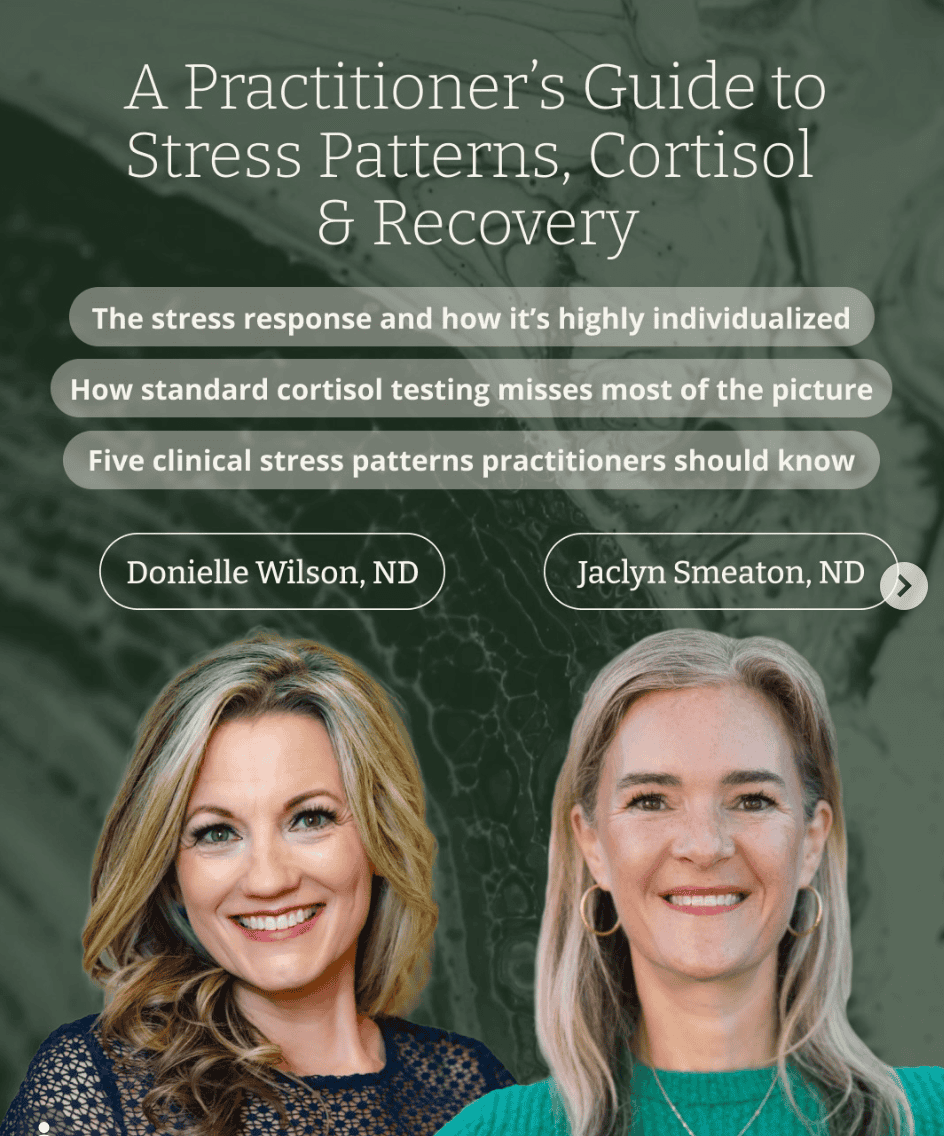
A Practitioner’s Guide to Stress Patterns, Cortisol & Recovery – Dr. Doni on The DUTCH Podcast
Dr. Doni was interviewed by Dr. Jaclyn Smeaton on The DUTCH Podcast to discuss Dr. Doni’s clinical philosophy, research findings, and personal journey around understanding and treating stress.
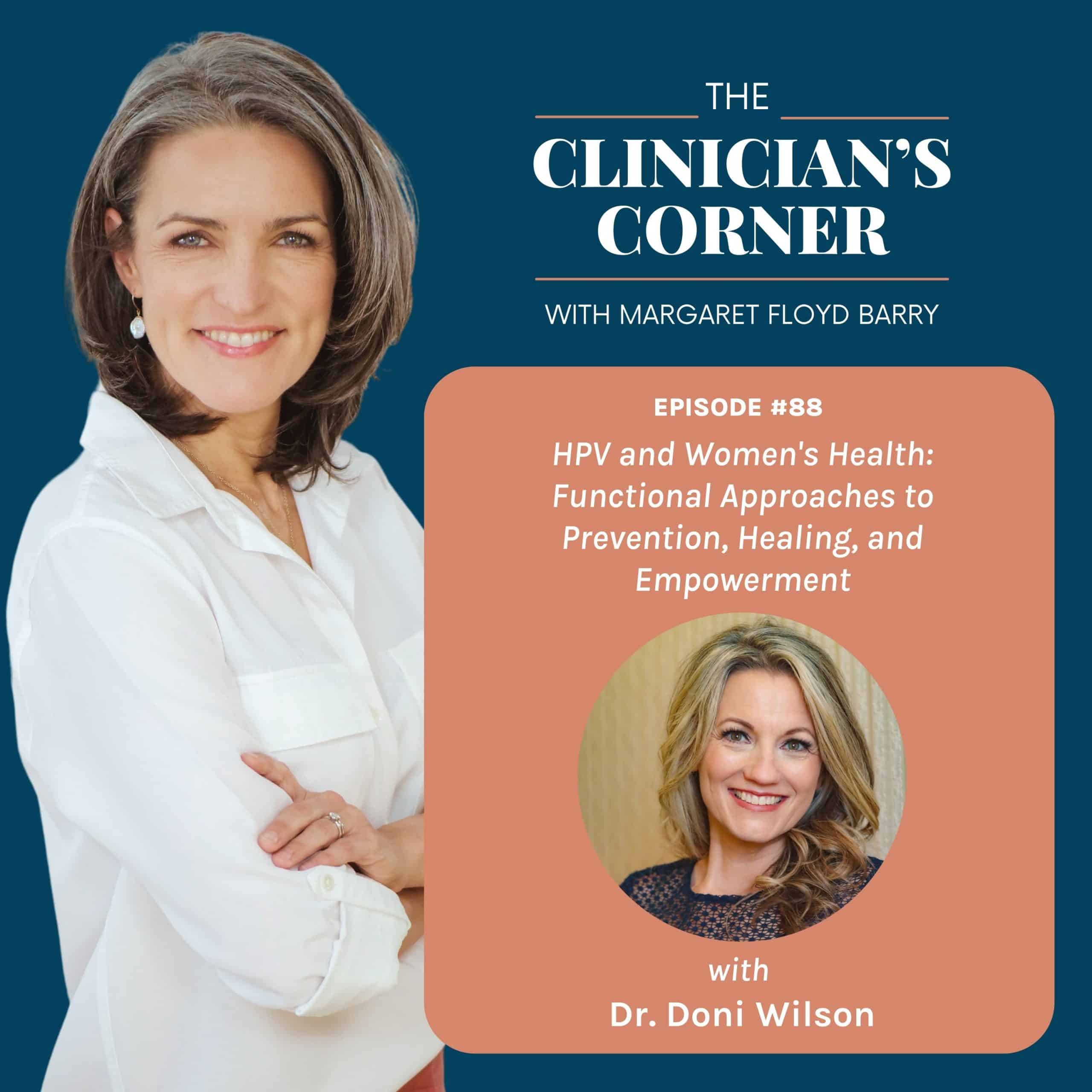
HPV and Women’s Health: Functional Approaches to Prevention, Healing, and Empowerment – Dr. Doni on “The Clinician’s Corner” Podcast
Dr. Doni was interviewed by Clinician Margaret Floyd Barry on “The Clinician’s Corner” Podcast to talk about how HPV isn’t just a women’s health issue, how stress and trauma can play a pivotal role in immune resilience, and the actionable strategies clinicians can implement to help their clients clear HPV naturally.