
There are several possible causes of hypothyroidism (low thyroid function), but the Hashimoto’s is the most common cause, affecting 90% of people with low thyroid function. Studies indicate that people with Hashimoto’s have auto-antibodies that attack their thyroid gland, destroying the gland itself and thus decreasing its production of thyroid hormone.
Many of you have asked about how you can reverse Hashimoto’s and which thyroid treatment is best, so I’m excited to introduce you to Dr. Nicole Fujiyama.
She is a Naturopathic Doctor and graduate of Bastyr University, like me. She also has a master’s in acupuncture and is the author of Autoimmune Strategies. Dr. Nicole offers an online Hashimoto’s program where she helps people to heal naturally.
Recognizing the Signs of Hypothyroidism
Dr. Nicole explains that the symptoms of low thyroid function can be very general and subtle: Low energy, constipation, bloating, weight gain, or thoughts that aren’t as clear. Many people blame these symptoms on being stressed or getting older.
Only about 10% of people have very obvious hypothyroid symptoms; most have general symptoms that gradually get worse. I would add dry skin, headaches, PMS, and menstrual cramps to the list of symptoms.
Importantly, hypothyroid symptoms are not the beginning of Hashimoto’s. The autoimmune antibodies occur first, and most of the time, decrease thyroid function over time. By the time you have symptoms, the thyroid antibodies may have been present for years, sometimes since childhood.
Which Tests to Do to Identify Low Thyroid Function and Hashimoto’s
In the standard medical system, doctors often only check TSH (thyroid-stimulating hormone) in blood work to assess thyroid function. However, that test alone can miss low thyroid function.
Labs are a snapshot in time, and with Hashimoto’s, TSH is not the first thing to change. Thyroid antibodies usually rise first, and most doctors don’t screen for them.
Dr. Nicole and I recommend to ask for a full thyroid panel: TSH, free T4, free T3, and thyroid antibodies, meaning both thyroid peroxidase (TPO) and thyroglobulin antibodies. The antibodies are what diagnose Hashimoto’s. T3 is the active form your body wants to use, so we need to see whether you are converting T4 into T3. If your doctor is hesitant, you can order tests yourself and pay out of pocket.
Remember that reference ranges are not optimal ranges. Dr. Nicole explains that those ranges are designed to diagnose disease, not to prevent it. That is reactive medicine, and many people within the normal range still feel very sick.
Thyroid Medication and Your Options
For hypothyroidism, conventional practitioners usually prescribe T4, such as Synthroid or levothyroxine. Dr. Nicole compared this to insulin for type 1 diabetes: It replaces a hormone you can no longer make enough of, but it doesn’t address why the problem developed.
Hashimoto’s is an autoimmune disease, so there is immune dysfunction and imbalance. Medication is an important part, but only one part, which is why you can take it and still have symptoms.
Some patients are hesitant to take medication, often fearing what is in it or being on it for life. Still, thyroid hormone affects every part of your body, and replacing what your thyroid isn’t producing is necessary for healing.
There are also more options that just synthetic T4. There is desiccated thyroid from an animal source, which contains both T4 and T3, and compounded T4 and T3 combinations.
Dr. Nicole’s approach is simple: Whatever works for your body, based on your symptoms, labs, lab trends, and preferences. She described a patient who kept increasing Synthroid while TSH climbed to around 40; switching back to Armour (dessicated thyroid), which had worked well before, brought it into a good range.
No blood test tells us your exact dose. We start low, retest in about six to eight weeks, and adjust. Six months is too long to wait to retest after a change in your thyroid dose.
Track Everything to Optimize Your Thyroid Function
We both recommend tracking your labs, doses, products, and symptoms on paper or in a spreadsheet. This way you can figure out for yourself what your best dose and thyroid replacement product is. Your doctor is not likely to be tracking.
With one of my (Dr. Doni) patients, it was only through precise tracking that we realized that both compounded and desiccated formulas were aggravating her bloating. When she switched to Tirosint, the bloating stopped. So it’s definitely not one-size-fits-all.
Even once stable, check your thyroid levels periodically, and at least once per year. A stressful event, poor sleep, illness, a drastic diet change, or menopause can throw your thyroid off track.
Stress, Thyroid Conversion, and Coming Back to the Basics
Converting T4 to T3 doesn’t even happen in the thyroid gland, and stress is the main thing that affects it. Under stress, the body makes reverse T3, a form it cannot use, and no amount of T4 will change that.
Stress also makes autoimmunity more likely. That is why I (Dr. Doni) check cortisol levels, because cortisol that’s too high or too low affects thyroid function, conversion, and the immune system.
Dr. Nicole emphasized going back to the basics: Nutrition, sleep, stress, relationships, breathing, and sunlight. No supplement fixes poor sleep. She calls the adrenals and thyroid BFFs; when both are struggling, neither can hold the other up.
Know that healing takes time, especially if this has been building for 20 years. If you don’t slow down, your body will do it for you.
Gluten and Autoimmunity
We both recommend removing gluten. It can inflame the gut and break down the gut barrier, and leaky gut is a key component of nearly all autoimmune diseases. Gluten proteins also look similar to thyroid proteins, so antibodies to gluten may target the thyroid too.
Autoimmunity is a loss of immune tolerance: The immune system starts making antibodies to your own tissue. Three factors lead to it: Genetic predisposition, leaky gut, and lifestyle and environmental factors (stress). We can do something about two of those.
There is no cure for Hashimoto’s, Dr. Nicole clarified, but remission is the goal.
Understanding Endocrinology versus Naturopathic Medicine
Endocrinologists manage thyroid medication; they don’t look to prevent or reverse Hashimoto’s.
As naturopathic doctors, we look for what is blocking healing, such as mold, glyphosate, gluten sensitivity, microbiome imbalances, and nutrient deficiencies like iron. Everyone’s triggers are unique. Low thyroid function raises cholesterol and heart disease risk, so sometimes people are treating cholesterol when the real issue is their thyroid.
Be careful with store-bought thyroid supplements. Natural does not mean safe, and they aren’t individualized to you.
Check your thyroid when trying to conceive, retest if you become pregnant while taking thyroid hormone, and test postpartum, since hair loss, fatigue, and depression could be thyroid related.
Finally, if you have antibodies but normal labs and no symptoms, don’t wait. That is the easiest time to shift things, and diet alone may be enough.
Where to Get More Help
If you want to learn more about Dr. Nicole you can find her on Instagram @drnicolend and TikTok @DR. NICOLE ND- HASHIMOTO’S DOC. She also has a group program for people in the beginning and intermediate stages of Hashimoto’s called Hashimoto’s Reboot Program. You can find more about it here.
A Note from Dr. Doni
I completely agree with Dr. Nicole that thyroid medication is only one piece of the puzzle, and that we need to address the root causes through nutrition, sleep, stress recovery, and removing triggers like gluten, while also getting the right dose of thyroid hormone for you.
I observe the most significant healing in my patients when they implement this approach. By the time we’ve addressed their thyroid and Hashimoto’s, we’ve often solved other health issues too, like fatigue, fertility issues, high-risk HPV, gut and microbiome imbalances, iron deficiency, and even high cholesterol, which can actually be caused by low thyroid function.
It’s actually quite common for me to observe women who have Hashimoto’s (or other types of autoimmunity) AND are testing positive for high-risk HPV. That may seem contradictory, at first, but most recent immunology research explains that when the immune system is in autoimmunity mode, we become more susceptible to infections, such as HPV. And by helping to heal your body, we can support your immune system to shift back into Th1 immunity, where autoimmunity decreases, and immune protection from infections increases.
It turns out that some of the same factors that increase susceptibility to autoimmunity also increase susceptibility to HPV. Stress, for example, is a major trigger for both. And stress recovery helps with both.
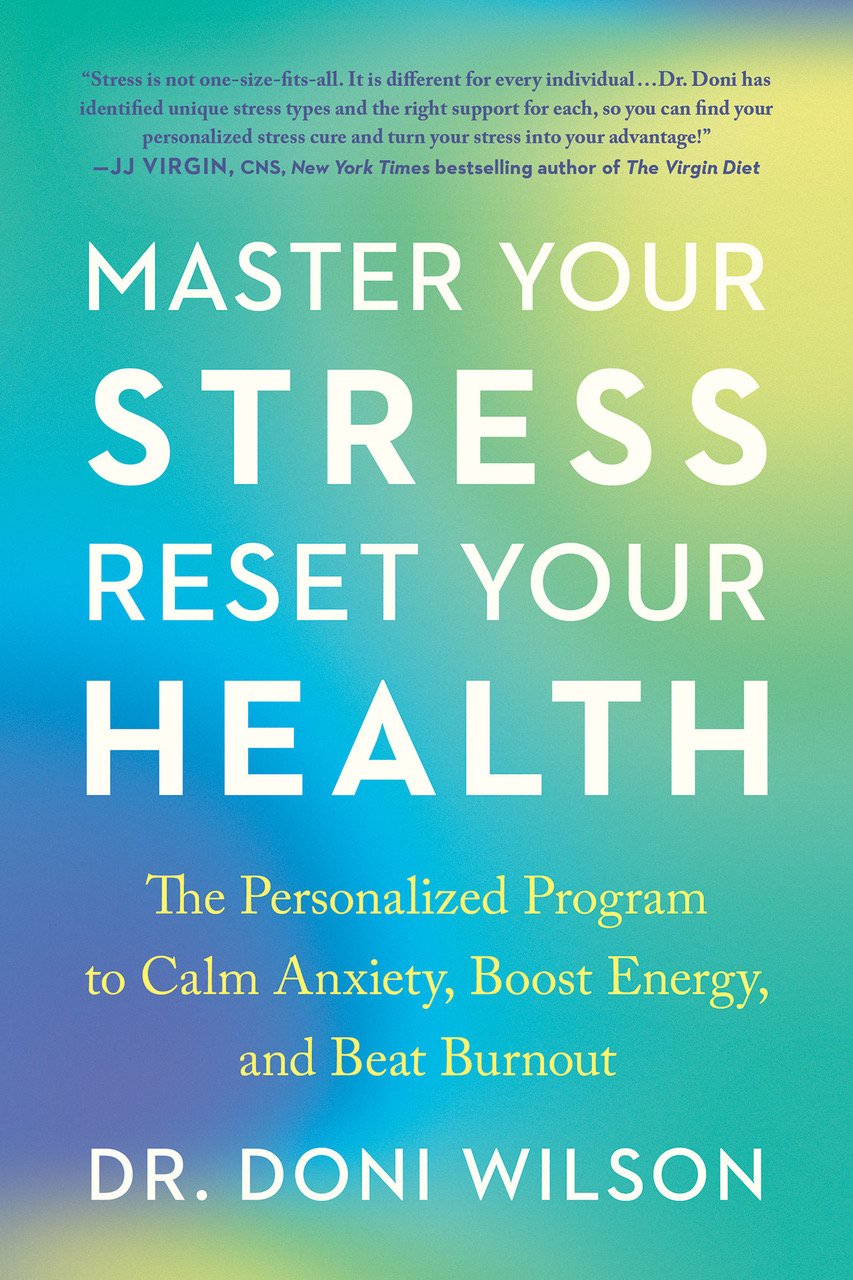
That is exactly what inspired my book: Master Your Stress Reset Your Health. In the book, I explain how stress, toxins, and a lack of recovery can cause us to become stuck in “stress mode” and turn on our genetic susceptibilities, including a tendency toward autoimmunity.
I describe my research and identification of the 5 Stress Types®, which exemplify the most common responses to stress, and the Stress Recovery Protocol I developed that is unique to each Stress Type, so you can optimize your cortisol and help your body recover from the stress it’s exposed to.
You can find out your Stress Type by taking the Stress Type® Quiz. It will help you to understand how the stress you’ve been exposed to is impacting your healthy today, and how to use the Stress Recovery Protocol and C.A.R.E. Method to support your body and nervous system to heal using diet changes, and natural approaches including time in nature.
TAKE THE FREE STRESS QUIZ TO FIND OUT YOUR STRESS TYPE:
No matter what health issue you are dealing with – whether hypothyroidism, autoimmunity, gut-health issues, women’s health related symptoms, migraines, POTS, fatigue, anxiety, depression, and/or infections, this approach can help you to improve your day-to-day health and to reverse conditions that others may consider to be irreversible.
If you would like to learn more how I guide patients from around the world one-on-one, please don’t hesitate to reach out to my office. Click here to set up a call with my team.
Thank you, everyone, for listening in to How Humans Heal® and learning all about low thyroid function and Hashimoto’s with Dr. Nicole. If you are new here, I welcome you to subscribe so you don’t miss the next episode.
I’m so glad to have you as part of this healing community.
Dr. Doni

Social:
- Facebook: https://facebook.com/drdoniwilson
- Instagram: https://instagram.com/drdoniwilson
- Threads: https://threads.net/@drdoniwilson
- YouTube: https://youtube.com/DoniWilsonND
Subscribe:
- Weekly Wellness Wisdom (Newsletter): https://doctordoni.com/www
- How Humans Heal (Podcast): https://doctordoni.com/podcast
More Resources from Dr. Doni:
- Stress Type Quiz: Assess your Adrenal Function
https://doctordoni.com/quiz - Dr. Doni’s Book: Master Your Stress, Reset Your Health
https://doctordoni.com/book - Dr. Doni’s Facebook Group: Stress Warrior Stress Resiliency
https://facebook.com/groups/stresswarrior - HPV Recovery Guide (FREE)
https://doctordoni.com/ddpp/hpv-guide/ - FREE Masterclasses with Dr. Doni
https://doctordoni.com/masterclasses - FREE Guides from Dr. Doni
https://doctordoni.com/guides
Personalized Solutions:
- 14-Day Detox Program: You can start this transformation program anytime
https://doctordoni.com/detox-program - Say Goodbye to HPV (12-week Program): Begin the journey to freedom from HPV today!
https://doctordoni.com/say-goodbye-to-hpv - If you’d like to meet with Dr. Doni one-on-one for your health, request a Health Breakthrough Session: https://doctordoni.com/breakthrough
Disclaimer: This specific article and all other Content, Products, and Services of this Website are NOT intended as, and must not be understood or construed as, medical care or advice, naturopathic medical care or advice, the practice of medicine, or the practice of counseling care, nor can it be understood or construed as providing any form of medical diagnosis, treatment, natural HPV cure, or prevention of any disease.


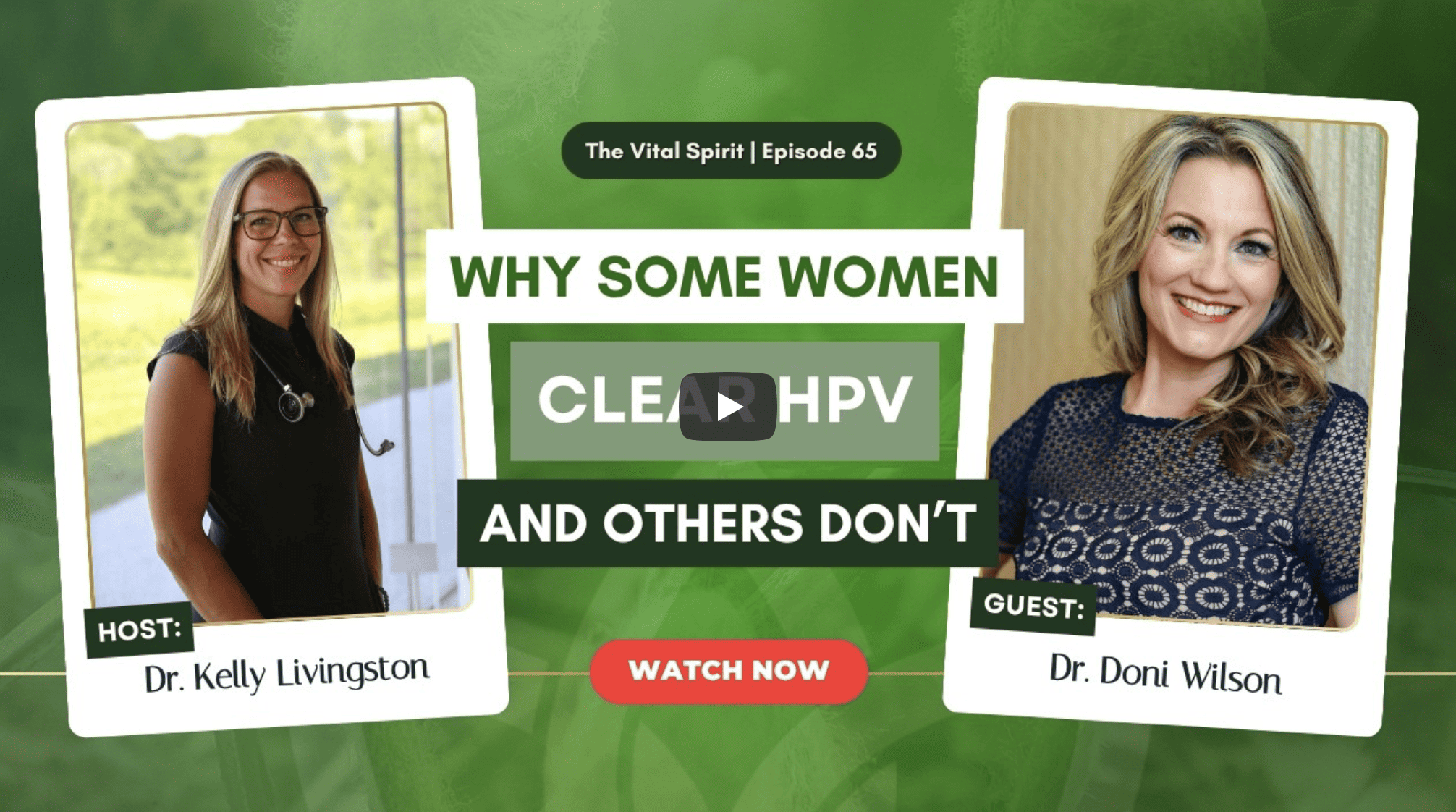
The Truth About HPV: Why Some Women Clear It and Others Don’t – Dr. Doni on The Vital Spirit Podcast
Dr. Doni was interviewed by Dr. Kelly Livingston on The Vital Spirit Podcast to talk about how we can clear HPV by addressing the root causes that made us susceptible to the virus in the first place.
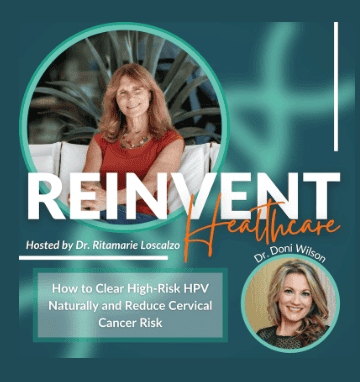
How to Clear High-Risk HPV Naturally and Reduce Cervical Cancer Risk – Dr. Doni on the Reinvent Healthcare Podcast
Dr. Doni was interviewed by Dr. Ritamarie Loscalzo on the Reinvent Healthcare Podcast to talk about what actually drives HPV persistence, why most women are told “there’s nothing you can do,” and how a terrain-based approach helps the body clear high-risk HPV and stay negative long term.
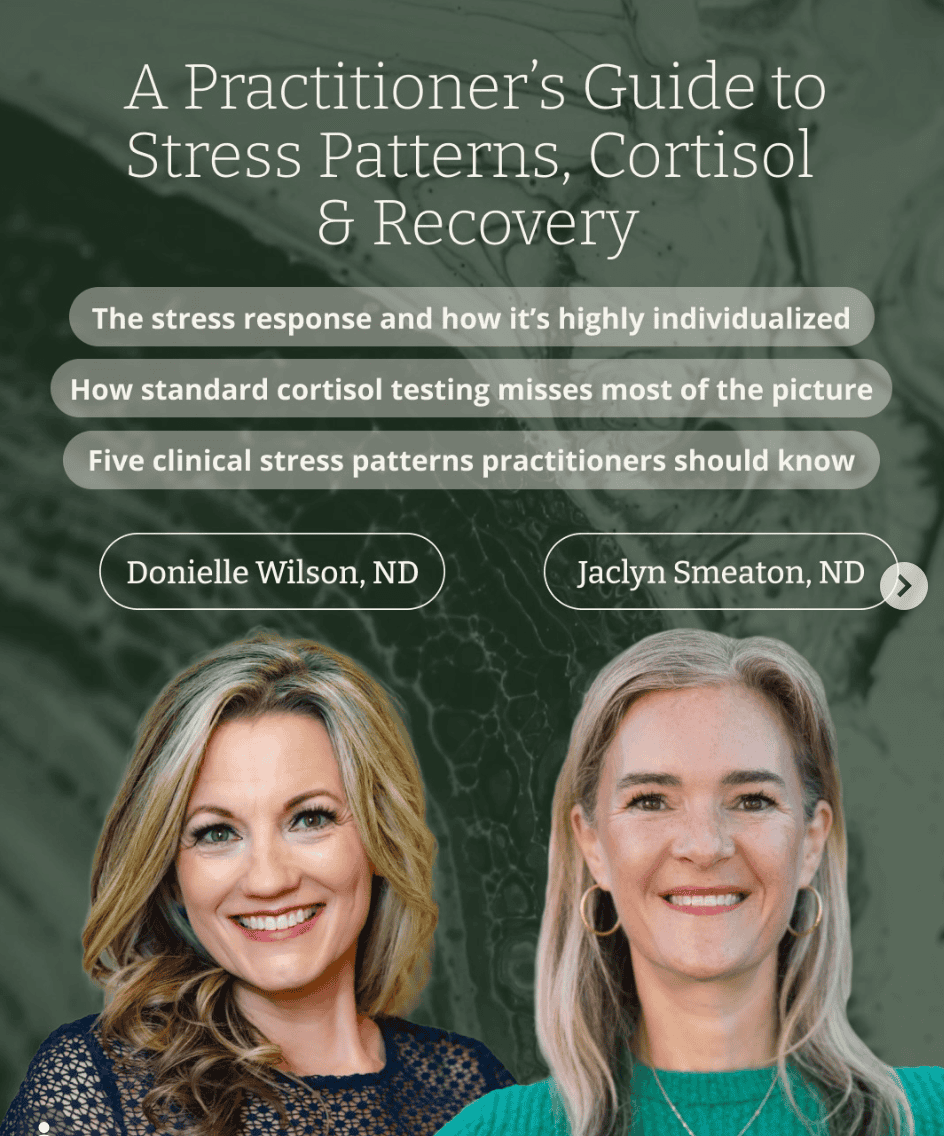
A Practitioner’s Guide to Stress Patterns, Cortisol & Recovery – Dr. Doni on The DUTCH Podcast
Dr. Doni was interviewed by Dr. Jaclyn Smeaton on The DUTCH Podcast to discuss Dr. Doni’s clinical philosophy, research findings, and personal journey around understanding and treating stress.
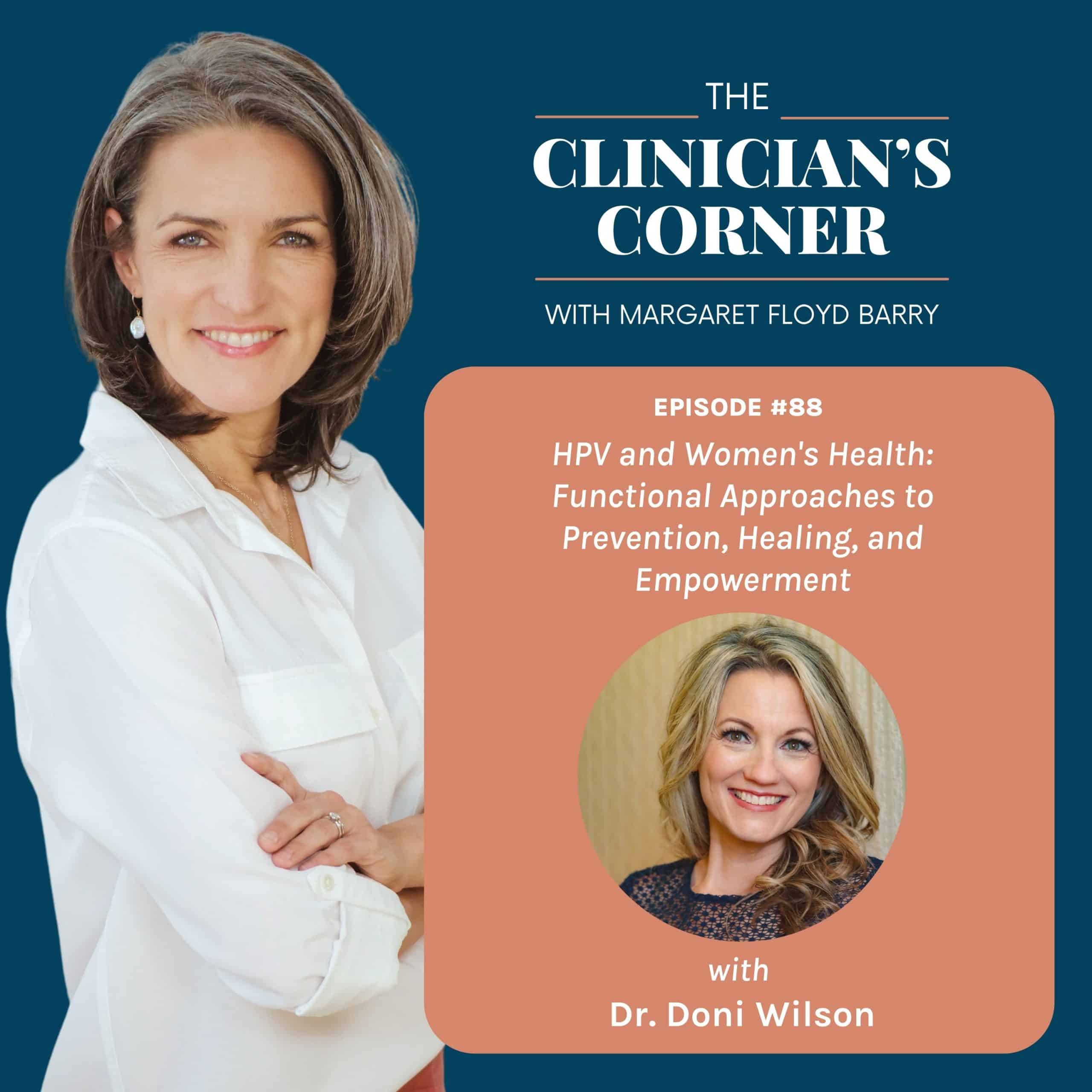
HPV and Women’s Health: Functional Approaches to Prevention, Healing, and Empowerment – Dr. Doni on “The Clinician’s Corner” Podcast
Dr. Doni was interviewed by Clinician Margaret Floyd Barry on “The Clinician’s Corner” Podcast to talk about how HPV isn’t just a women’s health issue, how stress and trauma can play a pivotal role in immune resilience, and the actionable strategies clinicians can implement to help their clients clear HPV naturally.