
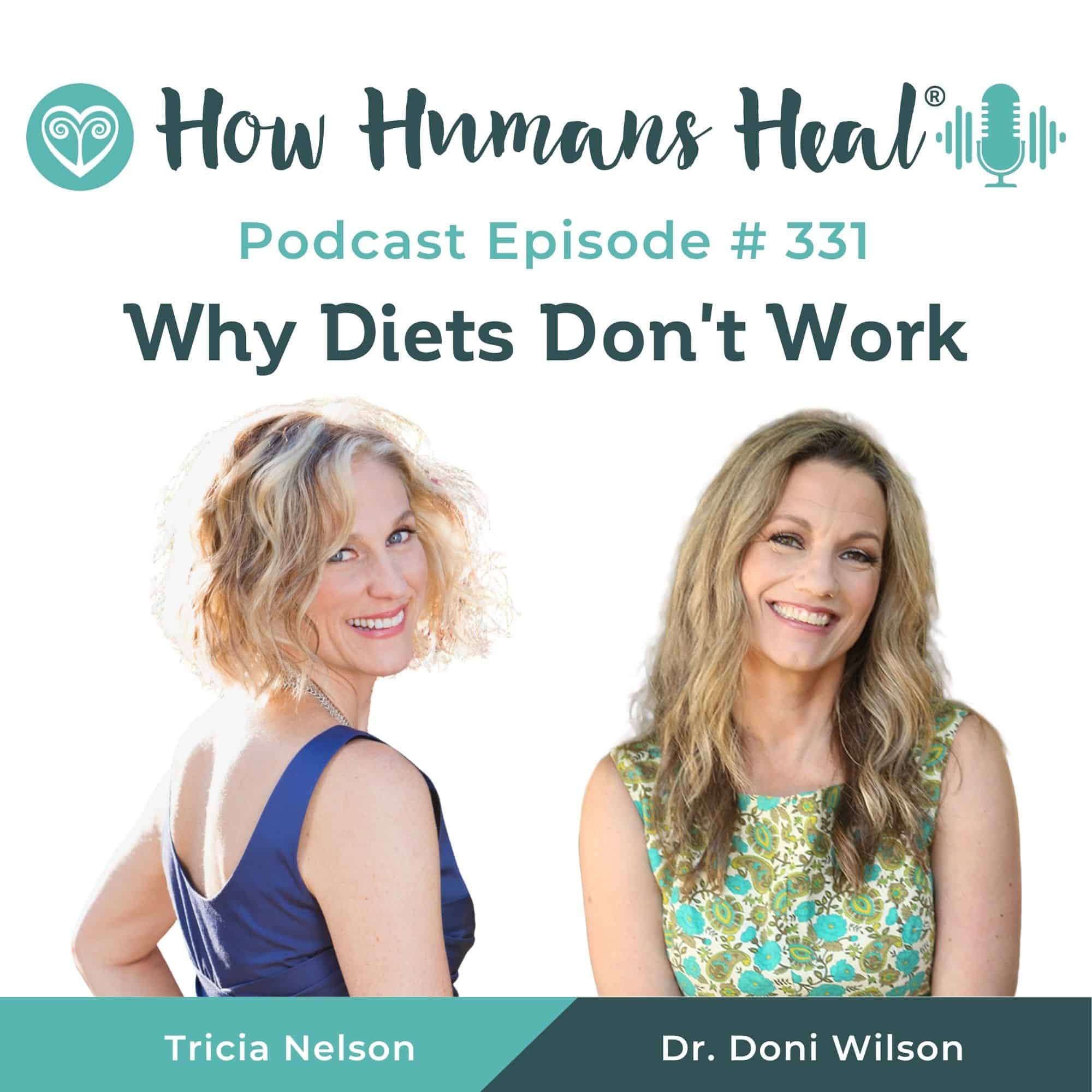
Do you struggle with emotional eating? Today I’m joined by Tricia Nelson, an emotional eating expert and the best-selling author of Heal Your Hunger: 7 Simple Steps to End Emotional Eating Now. Tricia is also the host of the Confessions of a Binge Eater podcast.
After struggling with her weight for years, Tricia realized that diets weren’t working because the actual issue what not the food she was eating, but the emotions that were driving her to eat instead of feel. She healed herself and became inspired to help others.
I’m so glad to have this opportunity to talk with Tricia and for her to share her wisdom with all of you.
What Is Emotional Eating?
Tricia shared how she once dismissed the term “emotional eater” when she first heard it from her sister, insisting she simply loved food. But over time she noticed her own habits: Finishing a whole bag of chips once she started, never putting the lid back on a pint of ice cream, eating her fries before her sandwich. She couldn’t unsee it once she saw it in herself.
She now defines “emotional eating” as eating to feel better, rather than eating because it’s mealtime or because the body needs nourishment. It’s often unconscious. Boredom eating, for example, is usually less about boredom and more about being uncomfortable with unsettled emotions, worry, or turmoil that hasn’t been named.
It doesn’t require a major trauma; it can just become a pattern that’s hard to break because it’s so woven into your daily life. And emotional eaters come in every size — some are overweight, others are a “normal” size but obsessed with food and weight, because even the obsession itself is a distraction from deeper emotions.
The Personality Profile of an Emotional Eater
Stress is a major driver, but Tricia also points to a broader personality profile — 24 traits she calls “the anatomy of the emotional eater.”
The number one trait is people-pleasing: Being generous with time, attention, and care, often at the expense of self-care. This frequently traces back to childhood, to a lack of positive reinforcement growing up, which creates a lasting hunger for outside validation.
That people-pleasing pattern shows up as what Tricia calls “the overs” — overworking, over-committing, being over-scheduled, becoming overwhelmed, and then overeating. We take on extra projects, stretch ourselves thin, and then feel let down when others aren’t as grateful as we expected. That frustration turns into the “I deserve it” binge — a kind of reward for feeling unappreciated.
Why Diets and GLP-1 Medications Don’t Solve the Root Problem
Roughly 90–98% of diets fail, Tricia says, and even GLP-1 medications don’t address the real question: Why is food someone’s happy place to begin with?
Diets, medications, or other extreme measures may produce short-term weight loss, but if the underlying emotional relationship with food isn’t addressed, the weight typically returns once the diet or medication stops.
The real work isn’t more nutrition information — most people already know salads are healthier than pizza — it’s understanding why they can’t follow through on what they already know.
Emotional eating exists on a spectrum, with food addiction at the far end. Tricia offers a free quiz at HealYourHunger.com to help people identify where they fall and what steps might help.
The Power of Community
Tricia’s work is entirely online but built around community — group calls, a “Move and Flow” class for somatic movement, and a “Writing Room” for journaling together.
She shared a story from her TEDx talk (viewed nearly 3.5 million times) about bingeing on ice cream and popcorn, throwing food away in shame, then retrieving it from the trash and eating it anyway — convinced she was the only person who’d ever done something so embarrassing.
After sharing that story publicly, thousands of people told her they’d done the same thing. Realizing how common these behaviors are helps break the cycle of shame, self-blame, and isolation that so often leads right back to food.
Rethinking Cravings and Deprivation
As people heal the deeper emotional drivers — stress, people-pleasing, not using their voice — cravings naturally decrease. Tricia calls this quieting of constant food thoughts “food noise.” When food noise goes down, choosing not to eat something no longer feels like deprivation, because the desire itself has faded.
Much of this healing traces back to childhood habits of avoiding one’s own feelings – turning to food because sitting quietly with emotions felt unbearable. Tricia teaches what she calls “self-care success secrets”: Reading, writing, meditation, prayer, walking, and talking – essentially, giving emotions somewhere to go besides food.
Real change starts in the morning, not at night. Beginning the day with something that “feeds the soul” – prayer, meditation, a walk in nature, a positive reading – builds up a kind of spiritual reserve to draw from later, when stress builds. Skipping meals, she warns, is a common setup for nighttime bingeing, since restriction earlier in the day often leads to overcompensating later.
Getting Support Isn’t a Moral Failure
We readily hire coaches for business or sports, yet feel embarrassed asking for help with food – even though food is one of the hardest habits to manage precisely because, unlike other addictions, we can’t simply abstain from it.
We need to see support as essential, not shameful.
If this speaks to you, I encourage you to look into Tricia’s book Heal Your Hunger: 7 Simple Steps to End Emotional Eating Now, her quiz, her TEDx talk, and her program Quit Sugar Challenge. You can also find Trica on Instagram @tricianelson_ and Facebook @Heal Your Hunger.
A Note from Dr. Doni
As a Naturopathic Doctor and Clinical Nutritionist, I couldn’t agree more with Tricia. I often see that addressing emotional eating first makes any later nutritional changes far easier to sustain, because a nutritionist’s guidance can’t take hold while emotional eating is still driving the choices underneath.
I want you to know that optimizing your health is absolutely possible. There are ways to support healing using diet, lifestyle changes, and natural products, including natural hormones, and to avoid medications whenever possible, or alongside medications when necessary.
For this, it is important to address the underlying causes of health issues by working with a experts, like me and Tricia, who can help you look deeper to uncover the root causes of your health issue, so that you are finally able to break the underlying patterns that lead to the symptoms and conditions we want to prevent.
Ultimately, it comes down to helping you to recover from what you’ve been exposed to in your lifetime – physical and emotional stress, as well as toxins and toxic relationships.
That’s exactly what I do in my one-on-one practice, and group programs, including my 14-day Detox Program, where I teach you how to detoxify your body and mind in a safe and effective way. You can read about it and join in here.

Common health issues that arise when our bodies have been impacted by stress and trauma include: fatigue, hormone imbalances, digestive issues, autoimmunity, anxiety, depression, infections, including vaginal infections (HPV, BV, and yeast), bone loss, and so many more.
In my book Master Your Stress Reset Your Health, I explain how stress, trauma, toxins, and a lack of recovery, can keep us stuck in “stress mode” and turn on our genetic susceptibilities — and how an individualized approach to recovery makes all the difference.
Start by taking my Stress Type® Quiz to understand how stress is impacting you today, and then follow my Stress Recovery Protocol and C.A.R.E. Method to support your body and nervous system to heal using diet changes, and natural approaches including time in nature.
TAKE THE FREE STRESS QUIZ TO FIND OUT YOUR STRESS TYPE:
If you’re dealing with HPV and want to prevent cervical cancer, I welcome you to join me over on Instagram @drdoniwilson and on my website at clearhpvnow.com. You can download my free HPV Recovery Guide and watch videos of women who’ve implemented my HPV Protocol and found freedom from high-risk HPV. I want for you to feel hope that you can heal too.

If you’d like to get a better sense of my approach, I welcome you to join my next free How to Get Rid of HPV online workshop where I help you to create a plan to get HPV out of your life for good. From there, you might choose to join the Heal HPV Kickstart Program, for the initial steps of my protocol, including diet changes and supplements, over the next 30 days.
Or you can begin with the comprehensive Say Goodbye to HPV Program, which includes everything you need to implement my full protocol and to address all eight susceptibilities to HPV, including helping you to resolve underlying emotional stress and trauma.

If you have any questions, please don’t hesitate to reach out to my office. My team and I would be happy to connect with you and help you. Click here to set up a call with my team.
Thank you, everyone, for listening in to How Humans Heal and learning all about how Tricia is helping people heal chronic emotional eating and food addiction by addressing the underlying causes rather than relying on quick fixes. If you haven’t already subscribed, I welcome you to subscribe so you don’t miss the next episode.
I look forward to helping you.
Dr. Doni

Social:
- Facebook: https://facebook.com/drdoniwilson
- Instagram: https://instagram.com/drdoniwilson
- Threads: https://threads.net/@drdoniwilson
- YouTube: https://youtube.com/DoniWilsonND
Subscribe:
- Weekly Wellness Wisdom (Newsletter): https://doctordoni.com/www
- How Humans Heal (Podcast): https://doctordoni.com/podcast
More Resources from Dr. Doni:
- Stress Type Quiz: Assess your Adrenal Function
https://doctordoni.com/quiz - Dr. Doni’s Book: Master Your Stress, Reset Your Health
https://doctordoni.com/book - Dr. Doni’s Facebook Group: Stress Warrior Stress Resiliency
https://facebook.com/groups/stresswarrior - HPV Recovery Guide (FREE)
https://doctordoni.com/ddpp/hpv-guide/ - FREE Masterclasses with Dr. Doni
https://doctordoni.com/masterclasses - FREE Guides from Dr. Doni
https://doctordoni.com/guides
Personalized Solutions:
- 14-Day Detox Program: You can start this transformation program anytime
https://doctordoni.com/detox-program - Say Goodbye to HPV (12-week Program): Begin the journey to freedom from HPV today!
https://doctordoni.com/say-goodbye-to-hpv - If you’d like to meet with Dr. Doni one-on-one for your health, request a Health Breakthrough Session: https://doctordoni.com/breakthrough
Disclaimer: This specific article and all other Content, Products, and Services of this Website are NOT intended as, and must not be understood or construed as, medical care or advice, naturopathic medical care or advice, the practice of medicine, or the practice of counseling care, nor can it be understood or construed as providing any form of medical diagnosis, treatment, natural HPV cure, or prevention of any disease.


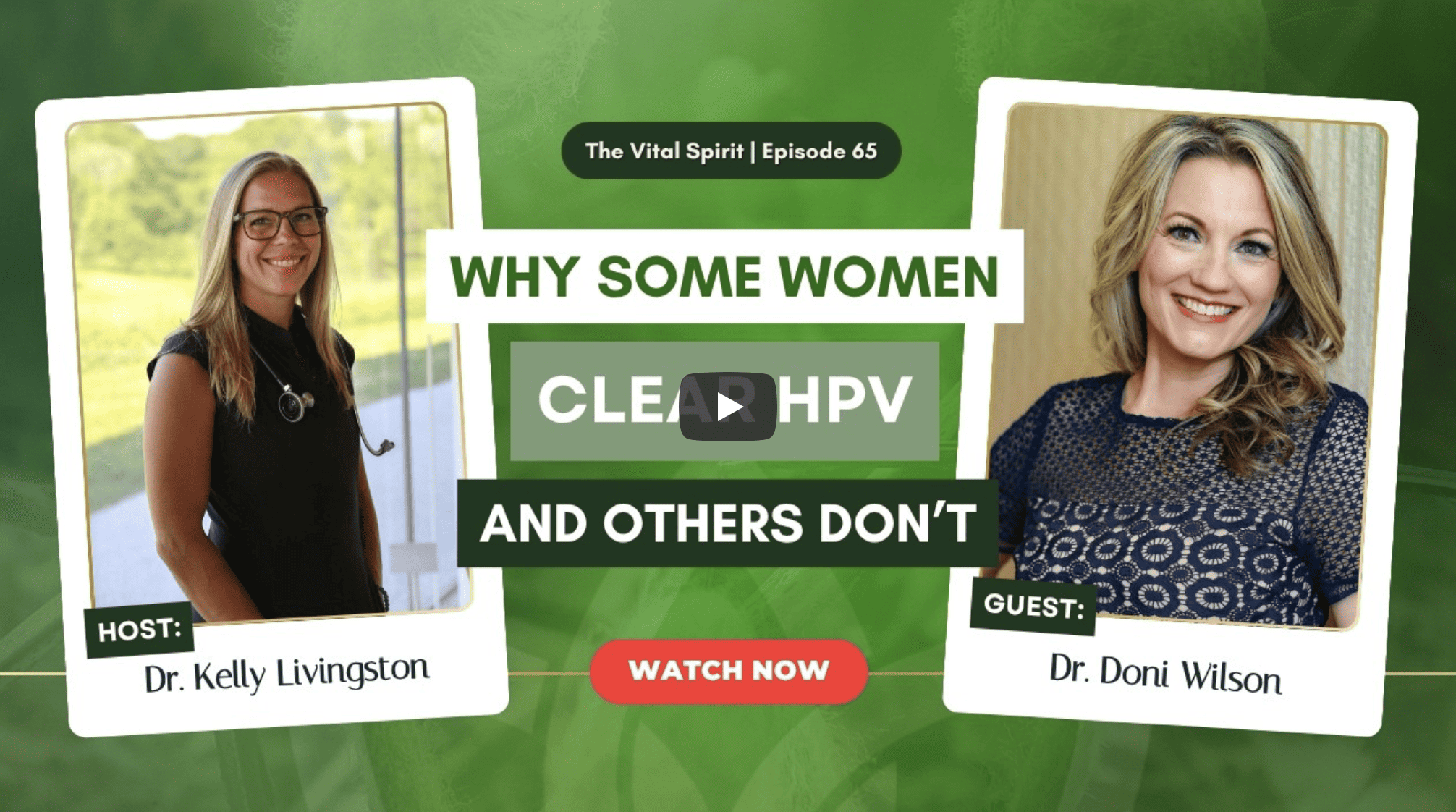
The Truth About HPV: Why Some Women Clear It and Others Don’t – Dr. Doni on The Vital Spirit Podcast
Dr. Doni was interviewed by Dr. Kelly Livingston on The Vital Spirit Podcast to talk about how we can clear HPV by addressing the root causes that made us susceptible to the virus in the first place.
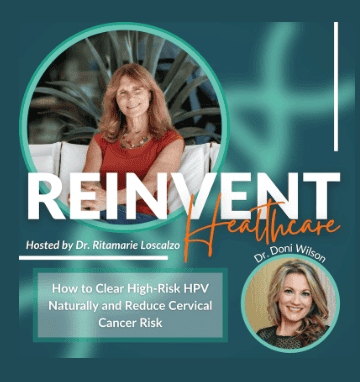
How to Clear High-Risk HPV Naturally and Reduce Cervical Cancer Risk – Dr. Doni on the Reinvent Healthcare Podcast
Dr. Doni was interviewed by Dr. Ritamarie Loscalzo on the Reinvent Healthcare Podcast to talk about what actually drives HPV persistence, why most women are told “there’s nothing you can do,” and how a terrain-based approach helps the body clear high-risk HPV and stay negative long term.
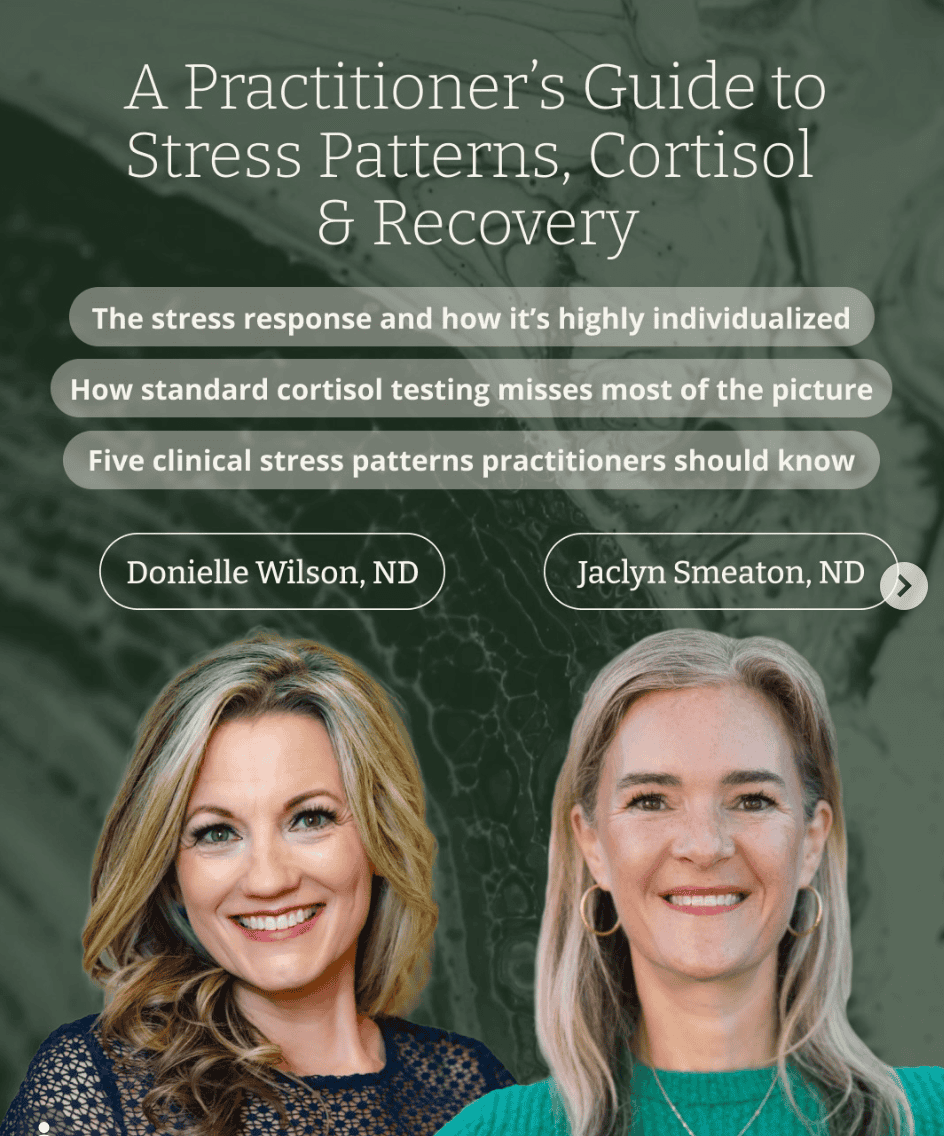
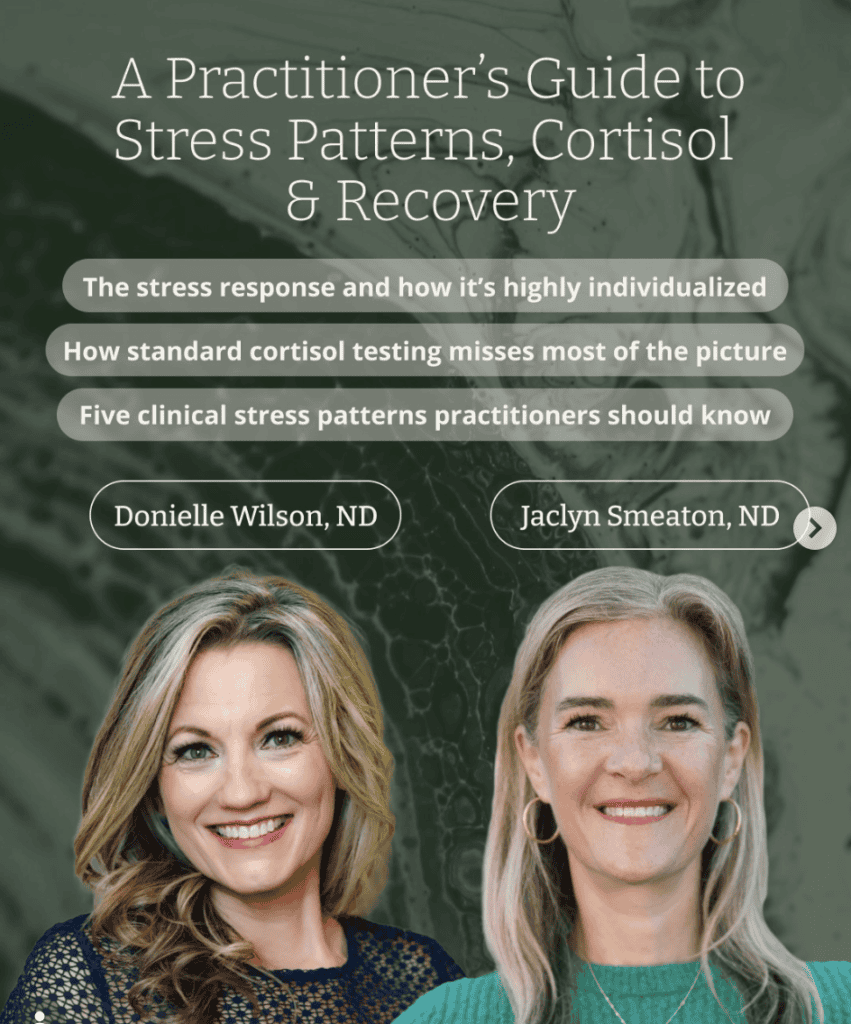
A Practitioner’s Guide to Stress Patterns, Cortisol & Recovery – Dr. Doni on The DUTCH Podcast
Dr. Doni was interviewed by Dr. Jaclyn Smeaton on The DUTCH Podcast to discuss Dr. Doni’s clinical philosophy, research findings, and personal journey around understanding and treating stress.
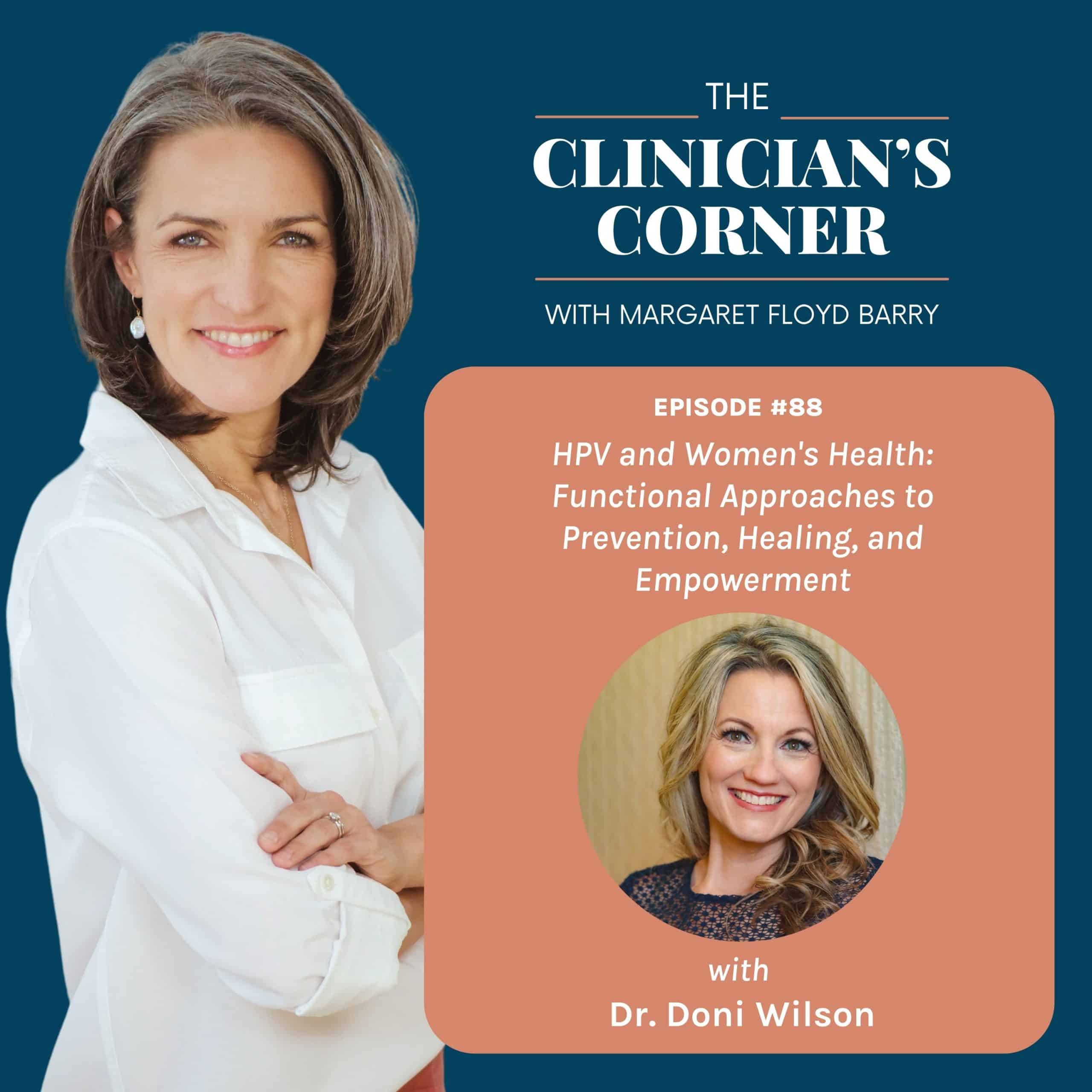
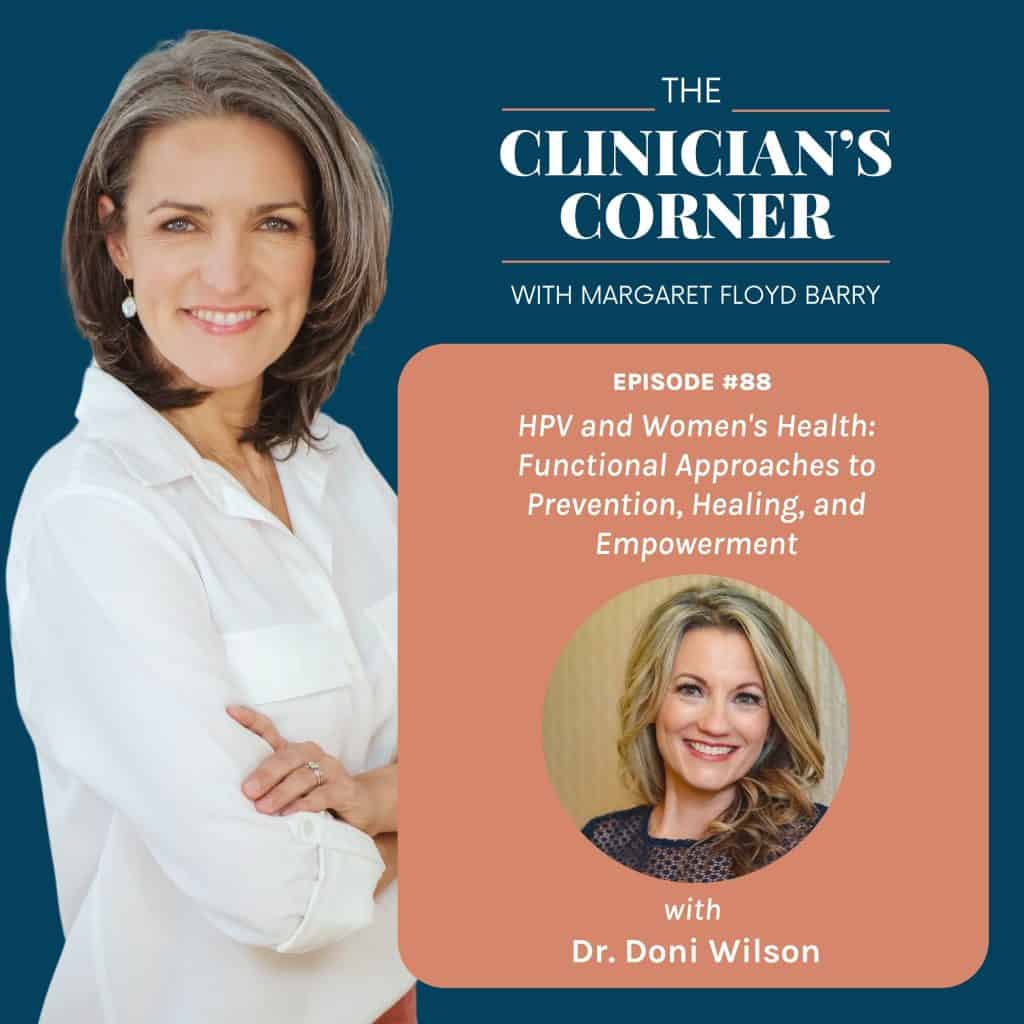
HPV and Women’s Health: Functional Approaches to Prevention, Healing, and Empowerment – Dr. Doni on “The Clinician’s Corner” Podcast
Dr. Doni was interviewed by Clinician Margaret Floyd Barry on “The Clinician’s Corner” Podcast to talk about how HPV isn’t just a women’s health issue, how stress and trauma can play a pivotal role in immune resilience, and the actionable strategies clinicians can implement to help their clients clear HPV naturally.