

The journey to understanding the microbiome often begins with personal health struggles. Many people discover the importance of gut health when they experience digestive issues that seem to come out of nowhere. One day they’re healthy and able to digest foods perfectly well, and the next day they have gut issues and can’t digest the same foods they could before. This can be incredibly confusing and frustrating, especially when going to see a doctor doesn’t yield answers.
That’s why I’m excited to introducing you to Anu Simh. She is a Board-Certified Functional Health Coach and the author of the new book called “Flourish from Within: Feed Your Gut for Lifelong Health.” We’re going to be talking about all the amazing ways that optimizing your gut microbiome can optimize your health.
The microbiome is such an important topic, especially over the past 10 years. More and more people are learning about the microbiome and getting a better understanding of how it impacts our health. We hear a lot about probiotics and sometimes we hear about prebiotics, but there’s still a lot of confusion about it. That’s why I’m really glad we can set the record straight today.
When we talk about the microbiome, we’re referring to the trillions of microbes that live in our gut. We have microbes on us and in every part of us, but those trillions of microbes in our gut represent a symbiotic partnership with us. It’s a mutual partnership that has evolved and co-evolved with us. There’s never been a time when they’ve not been part of our lives, and they’re forever guests in our bodies.
What I always like to point out about the microbiome is that for a long time we thought that we were trying to be sterile from all microbes and bacteria. We spent a lot of time trying to avoid bacteria and microbes, so the microbiome completely flips that script. Even people who are aware of the microbiome still might not quite realize that what we’re actually saying is: not all bacteria are bad. The term “bugs” can have a negative connotation; We’re really talking about beneficial partners.
There are bacteria that, if they land in our gut, could cause a lot of trouble, like diarrhea and could send you to the hospital. But there are also bacteria that we need to communicate to our immune system, our nervous system, our hormones, and everything else. The approach isn’t to just go after the bad guys, because those same bacteria can be good depending on the context and balance. When we’re talking at a high level, the overall goal is to have a healthy microbiome.
Understanding a Healthy Microbiome
When we talk about what constitutes a healthy microbiome, it’s important to understand that we don’t really have a perfect definition for a healthy microbiome. Instead, it’s better to think of it as a resilient microbiome. A resilient microbiome is one that can bounce back after an illness, after diarrhea, after antibiotics, or any other disruption.
A resilient microbiome needs to have species richness and species evenness because they’re doing a lot of functions behind the scenes for us. Species richness refers to having enough different types of bacteria, while species evenness means having them in appropriate proportions.
The microbes are working continuously to support our health in ways we’re only beginning to understand. If we have enough species, they can perform important functions like producing serotonin. Ninety percent of serotonin is made in the gut, so if we don’t have those serotonin-making microbes, then we’re less able to be producing this neurotransmitter. This creates the important loop referred to as the gut-brain connection that affects our mood, sleep, and overall mental health.
The immune system connection is equally important and perhaps even more critical to understand. Seventy percent of our immune system is in the gut, and the microbes are the training ground for our immune system. They’re training the immune system to say this is a friend, this is a foe, this is a neutral party, and to respond accurately. But if we don’t have the right microbial balance, the immune system can overcompensate or be triggered to do something it’s not supposed to do. This can lead to autoimmune conditions, allergies, and chronic inflammation.
The microbiome is a part of our bodies is something we often take for granted because it feels a little bit invisible. It’s not like our arm that we can see – it’s inside of us. But we can see the bloating when it’s off track. The first sign that the microbiome is unhealthy is often when someone says they have bloating and gas, which indicates there’s something off track because that’s what creates those symptoms. However, it is possible to have an imbalance in the microbiome and have no digestive symptoms at all, which is why testing can be valuable.
People often ask how many species they should have or whether they should get a microbiome test done, and the answers to those questions are very individual. Microbiome tests may not be diagnostic yet, but with new shotgun sequencing testing, we have a pretty good idea of who’s living in your gut. The fecal test will tell us about dead and live microbes, and from that we can get a pretty good idea of how your inflammatory response is functioning and how well you’re digesting fiber.
Things That Disrupt Our Microbiome
There are many things that can disrupt our microbiome and understanding these can help people realize when they might have disrupted their microbiome.
The number one disruptor in clinical practice is restrictive diets. People often come in because they’ve been on so many yo-yo diets or restricted diets, saying they’re not eating certain foods because their food tolerance is poor. Their immune system has taken a beating, and they’re not able to digest a lot of things. Sometimes it could be that they want to lose weight, so they are mono-eating, essentially starving the very bugs that thrive on fiber.
Having only a few food choices available, or restricted eating, can happen when a person only likes a few foods, so they keep eating the same foods over and over again. They may not realize they have a restricted diet, but it’s a low variety diet.
The key is understanding that the microbes are fed by what we eat, so what you eat determines who’s getting fed in your microbiome, and they each feed off of different things.
Besides restrictive diets, antibiotics play a major role in disrupting the microbiome. Every time we’re on antibiotics, not only is it going to kill whichever bacteria was causing the infection, but it can affect your good bacteria too. Of course, there are times when we need antibiotics, but it is important to be very judicious about when to use antibiotics because they can have a huge impact on the microbiome.
Ultra-processed foods are another major disruptor because microbes haven’t evolved to look at them as food. It’s like if you went to Home Depot and started looking at items as food – it would be odd for us, and it’s pretty much the same thing for the microbes. They don’t recognize ultra-processed foods as food, and since most processed foods do not have fiber or adequate protein, they’re not even really food. When you’re feeding them things that they don’t recognize as food, you’re essentially starving your beneficial microbes.
Certain foods, in particular high sugar and high gluten foods, are known to disrupt the microbiome. Gluten disrupts the microbiome, and excessive sugar feeds the wrong types of bacteria, creating an imbalance that can lead to various health issues.
Other significant disruptors include poor sleep, because there are many studies showing that if sleep is compromised, your microbial diversity decreases. The microbiome has a circadian rhythm just like we do, and it’s pretty synchronized. If we don’t respect our circadian rhythm, then chances are the microbiome is going to be compromised as well. This is why shift workers often experience digestive issues and other health problems related to circadian rhythm disruption.
Stress is another huge factor. Think about cortisol and what perimenopausal and menopausal women go through with belly fat and hot flashes. The microbiome has such a huge role to play in the hormonal reset going on in the gut. There are special bacteria called the estrobolome that have to do with estrogen metabolism. Cortisol and belly fat are connected because people with a lot of belly fat have more receptors for cortisol. Decreasing the cortisol response is also important for the microbiome.
Toxins that we’re exposed to in our environment also play a role in disrupting the microbiome. These can come from pesticides on food, chemicals in cleaning products, pollution in the air we breathe, and many other sources. The microbiome is sensitive to these environmental toxins, and chronic exposure can shift the balance toward more harmful bacteria and away from beneficial ones.
Proton pump inhibitors (PPIs) and other medications can also significantly impact the microbiome. PPIs change the pH of the stomach, which affects the entire digestive process and can lead to bacterial overgrowth in areas where it shouldn’t occur.
The Power of Food as Medicine
Food is the biggest needle mover when it comes to optimizing the microbiome.
The solution is not about feeding one specific microbe – some people will ask how to grow their Akkermansia, which has become like the famous bacteria that everyone talks about. But it’s not about feeding one microbe; it’s about feeding all of them, and that comes from having a variety of fibers in our food. This requires a system or process because it’s very difficult for any of us to remember how to incorporate a variety consistently.
The foundation of feeding your microbiome should be built on whole, unprocessed foods that our microbes recognize as food. If we start by focusing on the main goal, it is to make sure all our microbes do well by feeding them foods that they really recognize as food and looking at fiber as the big dietary component that they are adapted to digesting. With fiber, microbes can produce short chain fatty acids, particularly butyrate, which is protective to our colon cells.
When we break down the science, the goal is to help our microbes make more short chain fatty acids because then our energy is better. Butyrate gives signals to your mitochondria to make more ATP, decreases and calms inflammation down, and improves metabolic potential. Your metabolic dial is turned up rather than down, so you lose more weight and maintain it. If you have SIBO or IBS, this can cause you to gain weight because you’re probably not digesting food well at that point.
The key insight is that it’s not about breaking things down to single nutrients or chasing down individual components. As long as we have simple rules – adequate protein, a variety of fibrous foods like plant-based foods, and good fats – and these show up on our plate regularly, that’s a great starting point for most people rather than going after single nutrients or the latest trending superfood.
When we think about fiber, we need to remember that when we eat fiber, it goes undigested to the colon where our microbes digest the fiber for us. With evolution, we passed on the task of digestive fiber to the microbes in our gut. But if you don’t have species richness, you’re going to struggle with the aftermath of eating something that’s higher in fiber. Sometimes it could even be protein – protein is digested in the upper digestive parts, but sometimes when you eat way too much protein and you’re not digesting it, it can end up in the colon.
Your microbial partners are going to eat whatever ends up there. Certain bacteria have evolved to digest protein, but when they digest protein, they make very little short chain fatty acids. They’ll digest the protein but also produce metabolites that may be toxic to our system like ammonia and hydrogen sulfide that can cause that rotten egg smell with gas.
It’s really important to look at the big picture and think about what is the one thing that we can do to help our forever guests thrive, so the symbiotic partnership is alive and kicking. We help them, they help us, and the major factor is that food is the biggest needle mover. Then, of course, lifestyle matters too.
The Importance of Food Diversity
When we talk about fiber, it’s important to clarify that we can find fiber in fruits, vegetables, nuts, and seeds. We want to be looking at whole foods from nature that humans are designed to consume. Those are the foods that have the correct prebiotic fibers, which are food for our bacteria. Processed food doesn’t have fiber that will help feed our bacteria and might even disrupt our bacteria.
The microbiome loves diversity. You could simply have broccoli from your local grocery store, and next week you could try Chinese broccoli or a Korean version of it. That slight, subtle variety is what the microbiome likes. It doesn’t necessarily have to mean completely different foods – you can go to the store and say this week I’m going to have broccoli, next week I’m going to get asparagus. You want to mix it up a little bit in terms of your vegetables because mono-eating is not good for the microbiome.
A systematic approach works best with foundational layers. The foundational layers are vegetables and fruits, legumes, lentils, and beans. There’s a whole range of how much people can digest and utilize these foods. If you’ve been starving your microbes for a very long time, it’s going to be a little bit more challenging, but everyone can eventually get there because healing is possible.
After the foundational layers, we have enhancers – something that enhances your microbial picture. Those are like good fats and herbs and spices. There are some spices that have incredible polyphenolic activity – including them is important. That’s where having a system becomes very important – it’s not enough to temporarily add a spice and then forget about it. That’s human nature, however. You might read something on social media and decide to add turmeric today, but then you may forget because it’s not a habit, it’s not become procedural like brushing your teeth. Until it becomes a routine, we need to follow a system so we are feeding our bacteria consistently.
Then there are functional foods like beta-glucans found in shiitake mushrooms, polyphenols, flavonoids, and different kinds of prebiotic fibers that all really help grow more species. These functional foods are like giving your microbiome extra support beyond the basic foundational nutrition.
It’s important to understand that not all fibers are prebiotic in nature. Prebiotic means it’s going to feed the bacteria specifically. While all prebiotic fibers are fibers, not all fibers are prebiotic. We want to focus on getting prebiotic fibers that will specifically nourish our beneficial bacteria and help them thrive.
The goal is to create variety without overwhelming yourself. You can start simple and gradually expand your repertoire of foods. The microbes pay attention to subtle changes – even switching between different varieties of the same vegetable provides beneficial diversity that they can utilize.
Microbiome Testing and Assessment Options
Sometimes people want to know for sure what’s happening with their microbiome, especially if they have symptoms like bloating or have been exposed to things that could disrupt their microbiome. This is where gut microbiome testing can be very helpful.
The important message is that it’s possible to fix your microbiome. Sometimes people feel like they’ve really bombarded and knocked out their poor microbiome and wonder if it’s even fixable. The answer is absolutely – it’s fixable, and there are many tools available to fix the microbiome.
However, it’s important to know that the best testing is not going to be available at the regular gastroenterology office, at least not at this point in time. You can’t expect that you can go to the gastroenterologist and they’re going to have microbiome testing available through standard labs. If they do a stool test, it’s going to probably be a culture, and it’s only going to show who is still alive when they did the culture. It’s not going to give you the comprehensive information about who’s living in your gut, and who should be there versus who shouldn’t be there.
This gap exists because internal medicine doctors have about eight minutes to spend with patients, so their practice is not built for offering a comprehensive analysis. If you have a problem like a fracture or a disease that needs immediate help, that is the system to use, but for things like microbiome optimization, it’s just not built for it. There’s a huge gap in the conventional healthcare system for this type of preventive health care.
When choosing testing, it’s important to understand the technology being used. There are so many different companies coming up with microbiome panels, which is both good and bad. If you have very specific pathogenic bacteria that you want to target because your symptoms are potentially related to a particular pathogen, then there’s a certain kind of technology available for that specific purpose.
But if you want a comprehensive overview – like walking into a party where you don’t have anyone specific to talk to, you just take pictures of all the people there – that’s what is referred to as the shotgun sequencing approach. This type of testing gives you a great idea of who’s at the party, who’s in your colon, who are the forever guests, and what they’re doing to help you or make you feel worse. You will have a pretty good starting point from this comprehensive view.
Comprehensive stool testing is measuring the microbiome and giving you an opportunity to fix it. For example, if the test results are showing elevated ratios of certain bacterial families that are connected with weight gain, that’s a great starting point. You know that you could maybe bring some balance back into the microbial population by giving certain herbs that help rebalance the ecosystem.
It’s always important to remember that testing gives you information, but the real work is in the intervention and healing process that follows the assessment.
Probiotics, Prebiotics, and Practical Application
There’s often confusion about probiotics and prebiotics, and there are so many probiotic products available that education becomes essential. The best thing is to first educate yourself about which strains of bacteria are beneficial for you because not every strain will do the same thing.
If you’re going to pick a probiotic food, let’s say yogurt for example, and you go to your local grocery store, it’s important to look at the label. If it says it contains probiotic cultures, that’s not telling you anything specific. If the company hasn’t even taken the time to put a strain name on it, then don’t buy the product.
Instead, buy a product that’s very specific. For example, it would say Lactobacillus reuteri or BB-12. You need to know why you’re buying that product. BB lactis 12 is such a well-studied strain and can help with constipation. We need to empower ourselves with that kind of education to become better consumers of probiotics.
Most times when it says probiotic, it’s going to contain Lactobacillus and Bifidobacterium because those are the two that we have the technology to put into a product that can be sold over the counter. You could pick from a lot of different brands that might have slightly different strains of Lactobacillus and Bifidobacterium, but even if you take a large amount of these bacteria, you might just be flooding your system with just those strains and those particular bacteria.
We need to remember that we are wanting to support the microbiome of trillions of microbes, and that is not available in a probiotic, which brings us back to why richness is so important. The analogy would be like having 1,000 tomato plants and one zucchini plant that’s really trying hard to survive. We don’t want that situation. We want thriving of different species so they do different functions for us behind the scenes – making neurotransmitters, vitamins, and short chain fatty acids.
If there’s one thing to remember from all the research, it’s to eat more fiber and make sure you’re having a diverse amount of prebiotic fibers. Prebiotic means it’s going to feed the bacteria specifically. Not all fibers are prebiotic in nature, so look for prebiotic fibers that will grow different species.
When it comes to fermented foods, it’s important to note that they can be beneficial, but they’re not a starting point for most people. Someone with IBS or SIBO should never start with fermented foods – you need to go very slowly, take your time, start with the foundational layers, and get comfortable with adding diversity. There are many low FODMAP fruits and vegetables that can be added initially, and then in time you can add the enhancers and functional foods to enrich the microbial population.
The Garden Analogy and Healing Process
A helpful way to understand microbiome restoration is with a garden analogy. Often people show up with a gut that’s like an overgrown garden. There are some bushes and shrubs that haven’t been pruned in a long time and are way overgrown, while other plants are starving to death. There are also weeds – things we don’t really want in our garden. The soil is also damaged because of stress and lack of nutrition.
When someone asks if anything can be done to help this overgrown garden, the tempting approach might be to come in and flatten the garden completely with a bulldozer to knock out the whole garden and start over. But bulldozing the garden is not really the best choice. The best choice is to come in and carefully restore the garden step by step.
We have to be strategic because if we just come in and start fertilizing to build the soil, you’re going to also be fertilizing the microbes you don’t want to grow. You have to first prune and weed the garden. Begin by trimming back the overgrowth. But even when pruning, if you prune too much, then there are problems as well, so there’s a careful process involved. In some cases we may have to let microbes remain because if you prune too much, that can lead to other problems.
Then we can slowly start to restore the soil and feed the microbes we do want. We need to heal the intestinal lining (the soil) because the microbes need a healthy intestinal lining to grow on. Then we can start to feed and regrow the garden in a healthy, balanced way so that it comes out to be a beautiful garden with a variety of different flowers and plants.
While it is tempting to focus on feeding certain bacteria, that isn’t going to be successful in the long run. For example, when people focus on feeding Akkermansia, which grows on polyphenolic compounds like pomegranate, green tea, and cacao, that may help Akkermansia, but it may also help other microbes that you might not want to feed. It’s better to think of high-level support that all microbes can benefit from by feeding them foods that they recognize as food and looking at fiber as the big dietary component that they are adapted to digesting.
This process requires patience and consistency. It’s not something that happens overnight, but rather a gradual restoration that builds resilience over time. The goal is to create an ecosystem that can maintain itself and bounce back from future challenges.
Microbiome and HPV
The connection between gut health and HPV represents an exciting area of research that demonstrates how interconnected our body systems truly are. There’s research showing that having certain bacterial imbalances is connected to risk of HPV. There are 17 different bacterial strains that are connected to HPV alone. This is pretty remarkable considering that HPV affects the reproductive system, which seems so far away from the gut, but having imbalances in the microbiome increases chances of HPV persistence.
The vaginal microbiome is connected to the gut microbiome, so taking care of the gut becomes a great starting point for vaginal health. Making sure your pH is balanced and having the right kind of bacteria in your vaginal microbial population starts with caring for your gut. When there’s an overgrowth of bacteria in the gut, that causes leaky gut and inflammation, and that inflammation can travel to the vaginal area.
When there’s inflammation in the vagina, it increases susceptibility to infections and makes it harder for the immune system to clear viruses like HPV. If the immune system is busy in the gut trying to protect us from harmful microbes and even food sensitivities, then the immune system isn’t as able to protect us from viruses and other pathogens that it needs to fight off.
Oral tolerance is such an important part of all of this, and people on restrictive diets have very poor oral tolerance, which affects their immune health. When you’re not producing enough enzymes starting in the mouth, it affects the entire digestive process. Chewing is important, making sure that you’re producing enough saliva in your mouth so you’re able to produce digestive enzymes to digest food.
The connection between gut health and HPV clearance shows why taking a comprehensive approach to health is so important. You can’t just focus on the area where symptoms appear – you have to look at the whole body system and how everything is connected. The gut-immune-reproductive system connection is just one example of how optimizing the microbiome can have far-reaching effects on health.
Conclusion and Next Steps
Taking care of your gut microbiome is truly about lifelong health because it’s not just one thing – it’s connected to so many aspects of our wellbeing. The gut is connected to the immune system, the brain, and the cardiovascular system. Optimizing gut health becomes a foundation for overall health optimization.
Our bodies have incredible healing capabilities. With simple changes, we can make a big difference. We don’t need 150 rules about eating. We just need simple rules: adequate protein, a variety of fibrous foods, and good fats. If you can make this happen on your plate every single day, that’s a great starting point rather than chasing down individual nutrients or foods.
The key is to start where you are and make gradual improvements. If you’ve been eating a restricted diet or consuming a lot of processed foods, don’t try to overhaul everything at once. Start with the foundational layers – add more vegetables and fruits, include some legumes, lentils, and beans as you’re able to tolerate them. Focus on variety and gradually expand your food choices.
Pay attention to the other factors that affect your microbiome too: prioritize sleep, manage stress through techniques like breathwork, get regular exercise, and be mindful of your exposure to toxins and unnecessary medications. All of these lifestyle factors work together to support a healthy, resilient microbiome.
Remember that healing is possible. No matter how disrupted your microbiome may be right now, with the right approach and consistency, you can restore balance and improve your health. The microbiome is remarkably adaptable and responsive to positive changes in diet and lifestyle.
If you’re dealing with persistent symptoms or have been exposed to many microbiome disruptors, consider working with a healthcare practitioner who understands functional medicine and microbiome optimization. Testing can provide valuable insights, but remember that the real work is in the daily choices you make about food, sleep, stress management, and overall lifestyle.
The journey to optimal gut health is personal and unique to each individual, but the fundamental principles remain the same: feed your beneficial bacteria with diverse, whole foods, support them with healthy lifestyle choices, and be patient with the process. Your microbiome has been your partner throughout your entire life, and with the right care, it can continue to support your health for years to come.
Start today with one small change, and build from there. Your gut microbes are waiting to help you flourish from within.
If you would like to learn more about Anu and how she can help you make sure to visit her website here. You can also find her on Instagram @9armsofwellness and Facebook @Nine arms of Wellness. If you are interested in her book “Flourish from Within: Feed Your Gut for Lifelong Health” you can get a copy here.
If you are looking to do a cleanse or you feel like you would like to detoxify your body to improve your overall health and wellness I definitely encourage you to check out my 14-Day Detox Program. This program includes two protein shakes per day with 18 grams of protein, and two meals per day with a meal plan that I created based on making sure you get at least 20 grams of protein in each meal.

It also includes antioxidants, and videos from me to teach you to use mindfulness, as well as to replace toxins in your food and home. In this way, you can reset your diet, lifestyle and cell health all carrying on with your daily activities and routine.
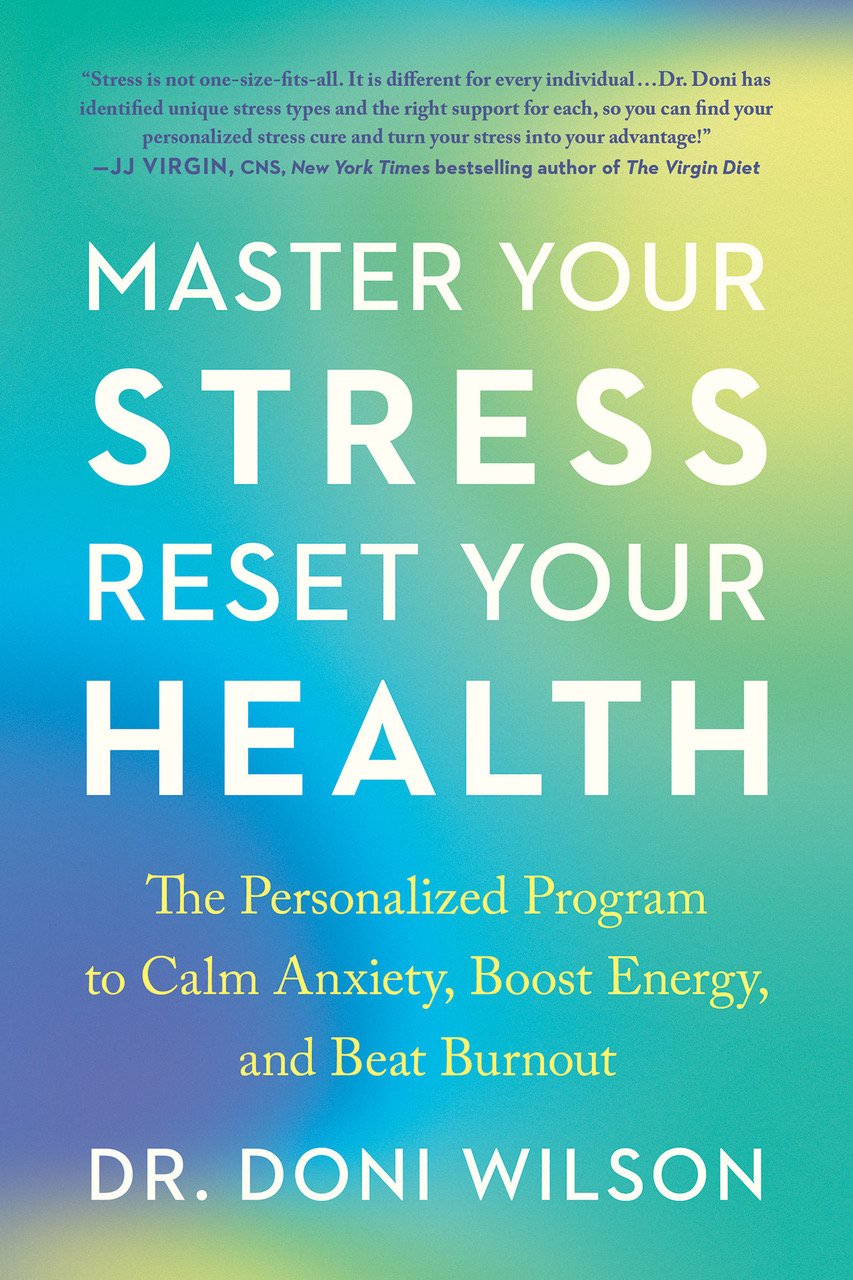
If you’re dealing with chronic stress or want to recover from trauma I write about this in my most recent book: Master Your Stress Reset Your Health. In the book, you’ll learn all about the human nervous system and stress response, how we all respond to stress differently, and how to understand your body’s unique response to stress, as well as how we can use natural approaches to help you recover from stress and trauma.
I can tell you that it IS possible to erase the effects of stress and trauma, to heal from anxiety and depression, and to rebalance what was disrupted by stress, such as hormones, digestion, microbiome, neurotransmitters, and immune function. In this way, we can also prevent long term health issues, including risk of cancer, heart disease, and dementia.
I help patients to do this in my practice every day – by phone and zoom, anywhere in the world. You can set up a one-on-one appointment here.
Once I meet with you one on one, we will create a strategic plan based on your health needs, including sessions with the health coach on my team to help guide you to implement my proprietary C.A.R.E. and Stress Mastery programs.
Thank you all for joining me for this fascinating discussion with Anu. I hope this conversation has provided valuable insights into how your microbiome plays a huge role in your overall health and wellbeing.
If you found this information helpful, please make sure to subscribe so you don’t miss future episodes of How Humans Heal.
We’re here to help you!

Social:
- Facebook: https://facebook.com/drdoniwilson
- Instagram: https://instagram.com/drdoniwilson
- Threads: https://threads.net/@drdoniwilson
- YouTube: https://youtube.com/DoniWilsonND
Subscribe:
- Weekly Wellness Wisdom (Newsletter): https://doctordoni.com/www
- How Humans Heal (Podcast): https://doctordoni.com/podcast
More Resources from Dr. Doni:
- Stress Type Quiz: Assess your Adrenal Function
https://doctordoni.com/quiz - Dr. Doni’s Book: Master Your Stress, Reset Your Health
https://doctordoni.com/book - Dr. Doni’s Facebook Group: Stress Warrior Stress Resiliency
https://facebook.com/groups/stresswarrior - HPV Recovery Guide (FREE)
https://doctordoni.com/ddpp/hpv-guide/ - FREE Masterclasses with Dr. Doni
https://doctordoni.com/masterclasses - FREE Guides from Dr. Doni
https://doctordoni.com/guides
Personalized Solutions:
- 14-Day Detox Program: You can start this transformation program anytime
https://doctordoni.com/detox-program - Say Goodbye to HPV (12-week Program): Begin the journey to freedom from HPV today!
https://doctordoni.com/say-goodbye-to-hpv - If you’d like to meet with Dr. Doni one-on-one for your health, request a Health Breakthrough Session: https://doctordoni.com/breakthrough
Disclaimer: This specific article and all other Content, Products, and Services of this Website are NOT intended as, and must not be understood or construed as, medical care or advice, naturopathic medical care or advice, the practice of medicine, or the practice of counseling care, nor can it be understood or construed as providing any form of medical diagnosis, treatment, natural HPV cure, or prevention of any disease.





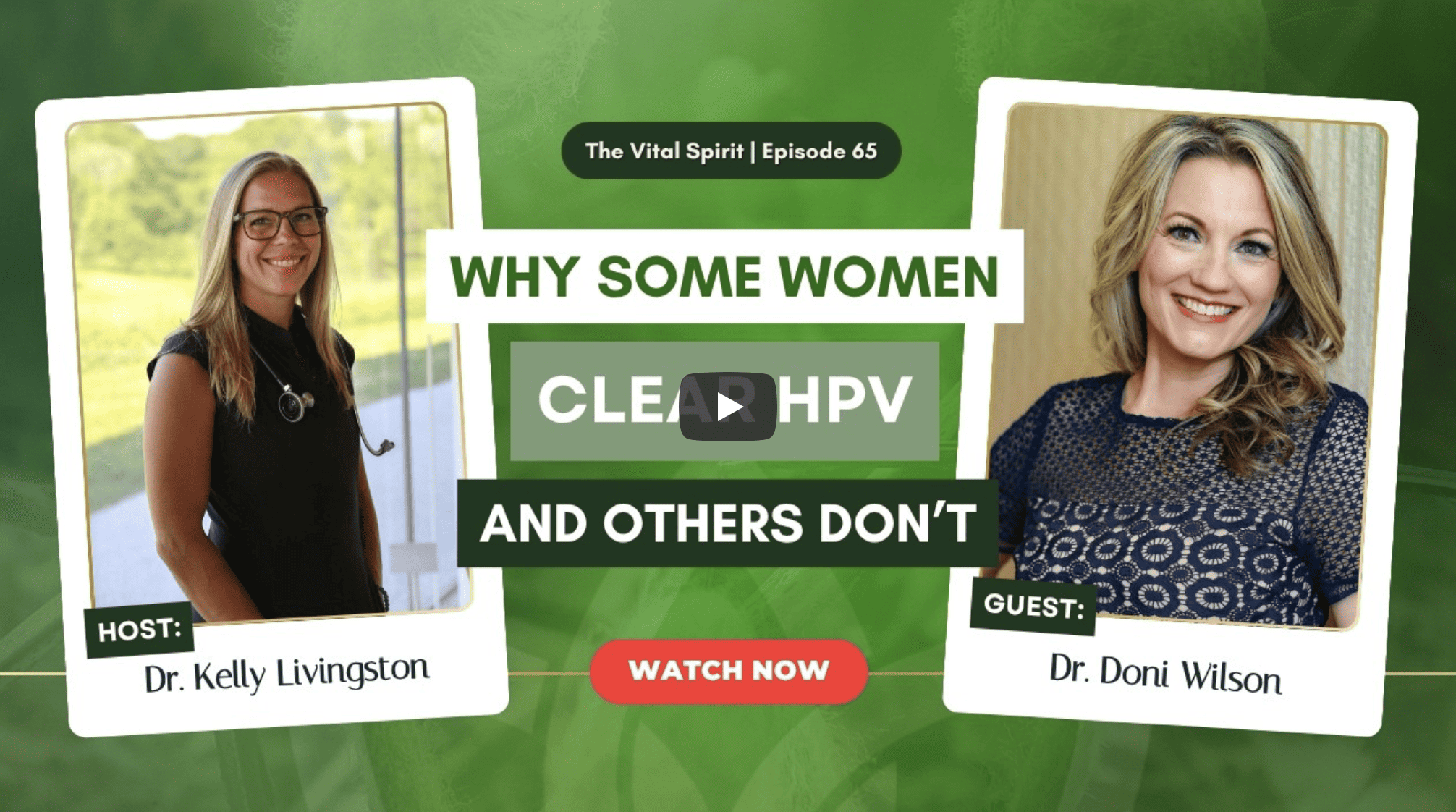
The Truth About HPV: Why Some Women Clear It and Others Don’t – Dr. Doni on The Vital Spirit Podcast
Dr. Doni was interviewed by Dr. Kelly Livingston on The Vital Spirit Podcast to talk about how we can clear HPV by addressing the root causes that made us susceptible to the virus in the first place.
How to Clear High-Risk HPV Naturally and Reduce Cervical Cancer Risk – Dr. Doni on the Reinvent Healthcare Podcast
Dr. Doni was interviewed by Dr. Ritamarie Loscalzo on the Reinvent Healthcare Podcast to talk about what actually drives HPV persistence, why most women are told “there’s nothing you can do,” and how a terrain-based approach helps the body clear high-risk HPV and stay negative long term.
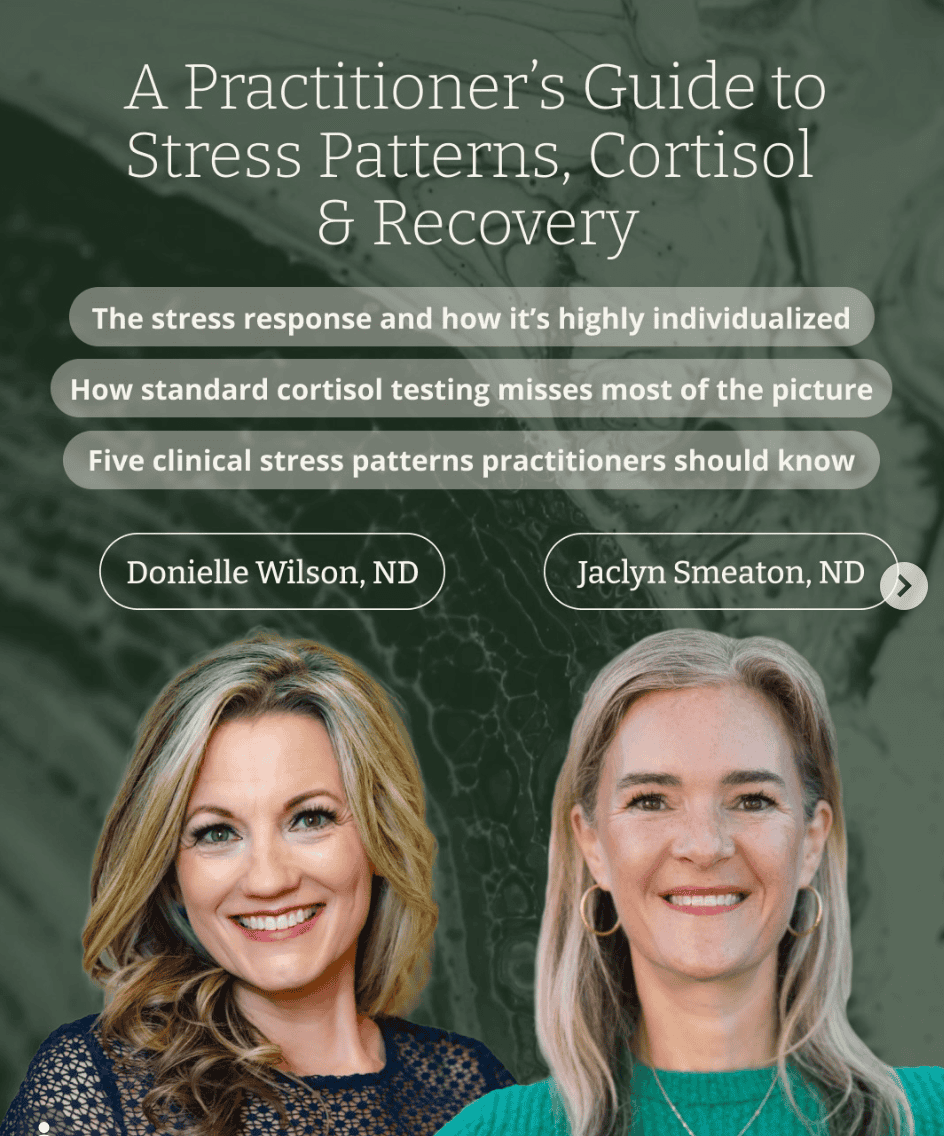
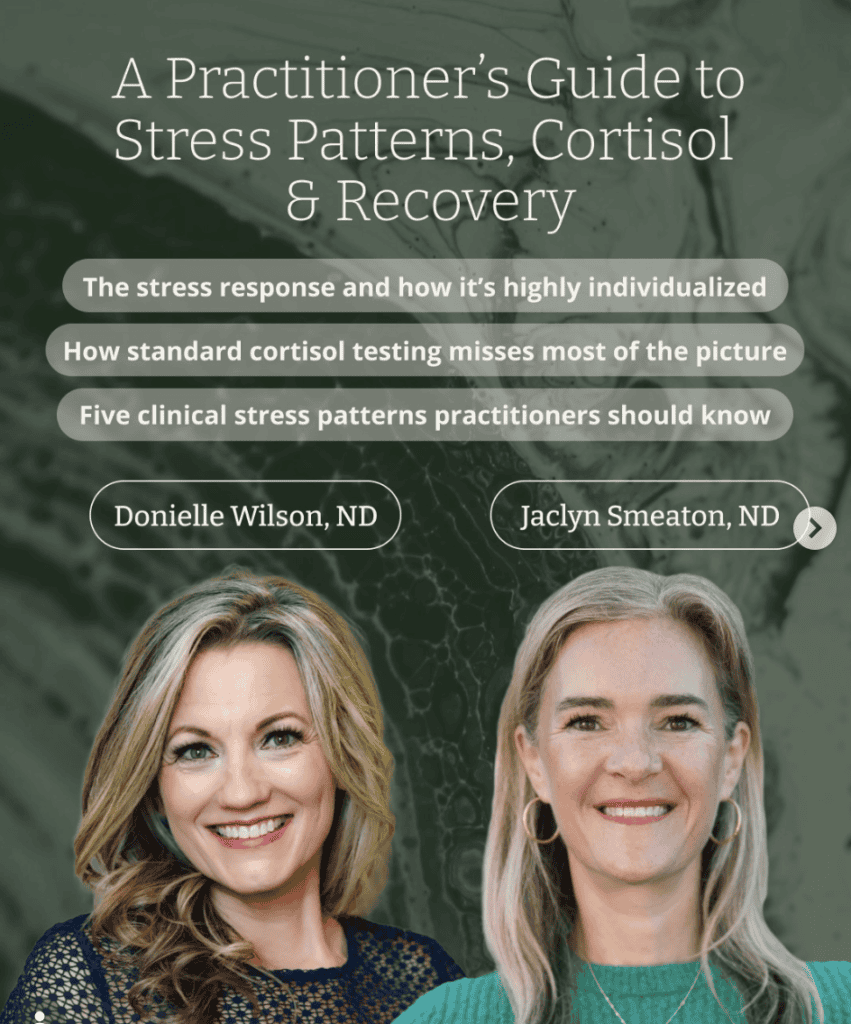
A Practitioner’s Guide to Stress Patterns, Cortisol & Recovery – Dr. Doni on The DUTCH Podcast
Dr. Doni was interviewed by Dr. Jaclyn Smeaton on The DUTCH Podcast to discuss Dr. Doni’s clinical philosophy, research findings, and personal journey around understanding and treating stress.
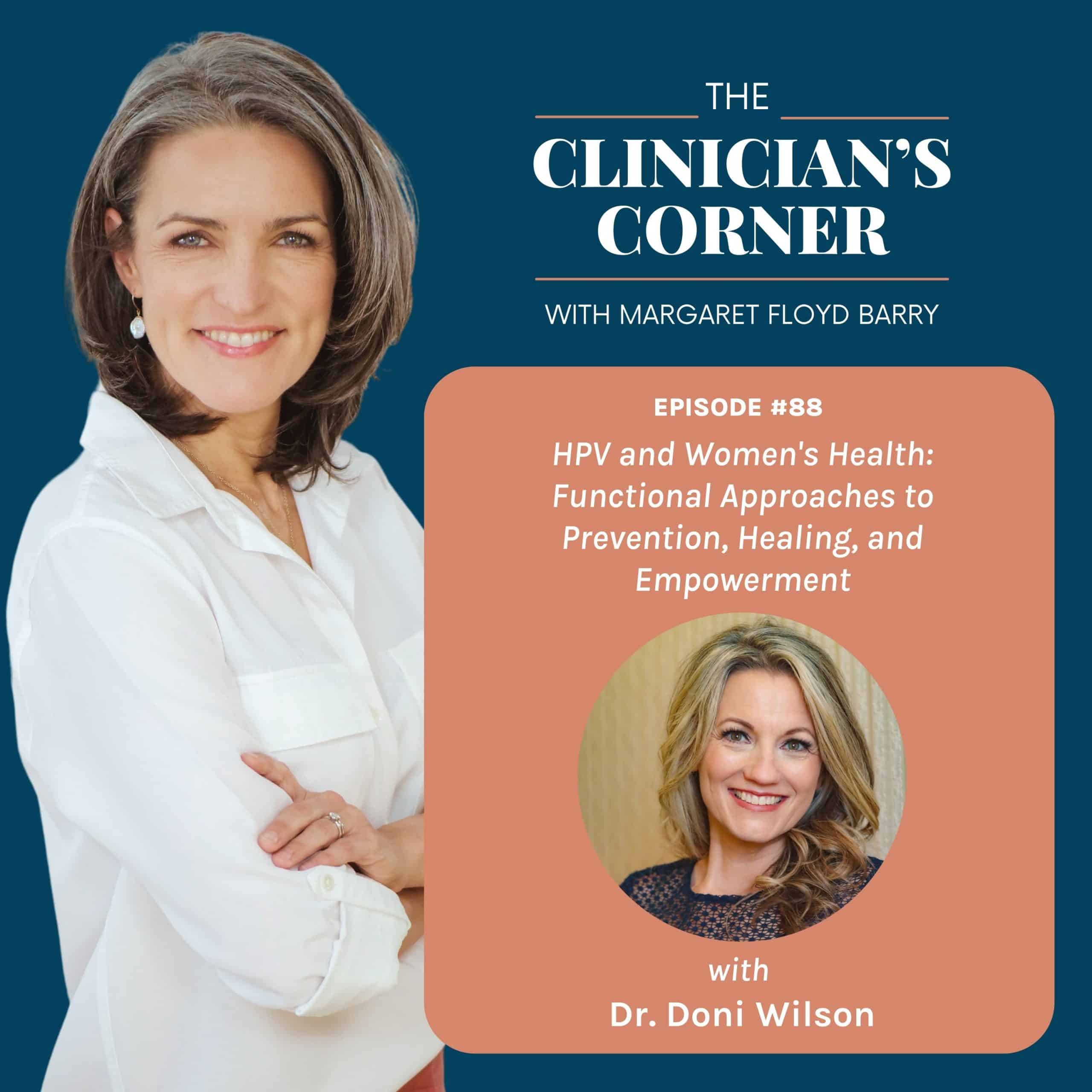
HPV and Women’s Health: Functional Approaches to Prevention, Healing, and Empowerment – Dr. Doni on “The Clinician’s Corner” Podcast
Dr. Doni was interviewed by Clinician Margaret Floyd Barry on “The Clinician’s Corner” Podcast to talk about how HPV isn’t just a women’s health issue, how stress and trauma can play a pivotal role in immune resilience, and the actionable strategies clinicians can implement to help their clients clear HPV naturally.